

TL;DR:
- Custom eco-friendly packaging enhances brand visibility, food safety, and regulatory compliance.
- Sustainability in packaging is a growing market driven by regulations and consumer demand.
- Proper verification, sampling, and planning are crucial to successful, compliant packaging implementation.
Most restaurant operators spend hours perfecting their menu but give packaging a passing thought at best. That blind spot costs real money. Your packaging travels home with customers, gets photographed, and sits on delivery platforms where first impressions happen fast. Beyond brand visibility, packaging now carries regulatory weight and sustainability expectations that shape purchasing decisions. This guide breaks down why custom, eco-friendly packaging is one of the smartest investments a foodservice operator can make in 2026, and how to get it right from day one.
Table of Contents
- Why custom packaging is more than a container
- Sustainability and market forces driving change
- Key considerations: Brand, cost, and compliance
- How to implement custom, eco-friendly packaging (and avoid pitfalls)
- A fresh perspective: What most guides miss about custom packaging success
- Upgrade your packaging: Sustainable solutions for restaurants
- Frequently asked questions
Key Takeaways
| Point | Details |
|---|---|
| Brand power | Custom packaging communicates your restaurant’s identity and values on every order. |
| Sustainability focus | Eco-friendly packaging is now an industry standard, offering compliance and customer loyalty. |
| Smart investment | While custom packaging may cost more upfront, the long-term savings and brand returns are often greater for the right operations. |
| Avoid common pitfalls | Verification and compliance are critical to avoid costly packaging errors. |
Why custom packaging is more than a container
The moment a customer picks up their order, your packaging is doing a job. Generic brown bags communicate nothing. Custom packaging, by contrast, puts your logo, your values, and your story directly in a customer’s hands. That touchpoint is free advertising that travels wherever the bag goes.
Beyond branding, custom packaging delivers real functional advantages:
- Better food safety: Properly sized, food-grade bags reduce spills, contamination risks, and damaged orders.
- Regulatory messaging: You can print allergen notices, ingredient disclosures, or recycling instructions directly on the bag.
- Brand consistency: Every order looks intentional, reinforcing professionalism across dine-in, takeout, and delivery.
- Compliance alignment: Custom production allows you to choose materials that meet local packaging regulations before problems arise.
Understanding the custom packaging advantages for your specific concept is the first step to making smarter sourcing decisions. Think of it as the difference between a blank storefront and one with clear restaurant signage benefits: both hold food, but only one builds a brand.
“Packaging is not a commodity. It is a brand channel that operates 24/7 and costs you nothing extra once it is already in production.”
The sustainability angle matters just as much. 84% of foodservice companies list sustainability as a top priority in packaging choices, which means eco-friendly custom packaging is no longer a nice-to-have. It is a baseline expectation from customers and supply chain partners alike.
Pro Tip: When briefing a packaging supplier, bring your top three brand values in writing. The best manufacturers will design materials that express those values visually and materially, not just slap a logo on a bag.
Sustainability and market forces driving change
The shift toward eco-friendly restaurant packaging is not a trend. It is a structural market change backed by regulation, consumer demand, and serious capital. The North America eco-friendly packaging market is projected to grow from $57.68 billion in 2024 to $91.81 billion by 2033, at a compound annual growth rate of 5.3%. Quick service restaurants and new regulations are the primary drivers.
Here is a snapshot of where the market stands and where it is heading:
| Metric | 2024 value | 2033 projection | Growth rate |
|---|---|---|---|
| North America eco-packaging market | $57.68B | $91.81B | 5.3% CAGR |
| Foodservice sustainability priority | 84% of operators | Expected to rise | Ongoing |
| First-order failure rate | 87% without verification | Preventable | Process-dependent |
Regulators at the city, state, and federal level are tightening rules around single-use plastics, landfill contributions, and material sourcing. For restaurant operators, this means a packaging choice you make today could create compliance headaches tomorrow if you are not building in flexibility.
Customers notice too. Studies show that eco-conscious packaging influences repeat purchasing behavior, especially among younger diners. Knowing how to choose the right paper bags for your concept is no longer optional reading. It is operational planning.
“Eco-friendly packaging is now the table stakes, not the bonus round. Restaurants that treat it as a marketing add-on are already behind.”
For a broader look at where standards are heading, the 2026 sustainable packaging guide covers material certifications, biodegradability claims, and what auditors actually check. Getting ahead of those standards protects your operation and your reputation.
Key considerations: Brand, cost, and compliance
Sustainability pressure is real, but smart adoption means running the numbers honestly. Custom packaging does cost more per unit upfront than generic alternatives. The question is whether the total picture makes financial sense for your concept.
Here is how generic and custom packaging compare across the metrics that matter most:
| Factor | Generic packaging | Custom eco-friendly packaging |
|---|---|---|
| Per-unit cost | Lower | Higher upfront |
| Brand impact | None | High, measurable |
| Waste reduction | Unpredictable | Optimized by design |
| Regulatory risk | Higher | Lower with certified materials |
| Customer perception | Neutral | Positive, loyalty-building |
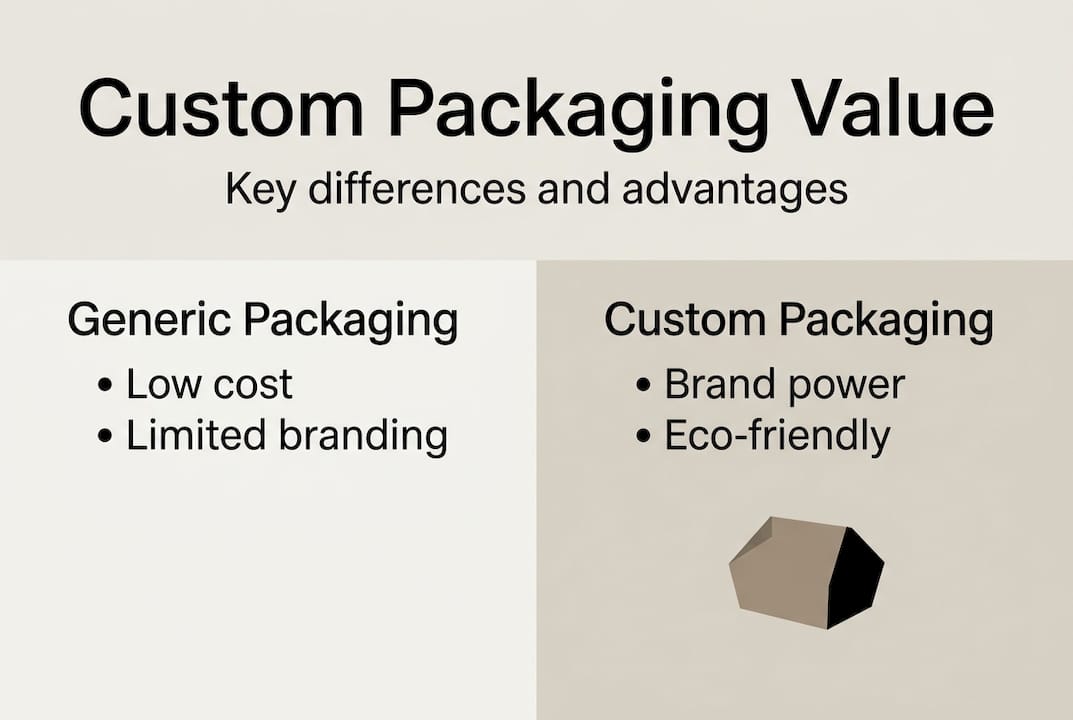
For operators with average order values above $25, custom packaging typically pays for itself through reduced waste, better order integrity, and brand lift. Below that threshold, the math gets harder. Custom packaging may not pencil out for low-margin, high-volume concepts with no repeat customer base.
Compliance is the other pressure point. Consider these realities before ordering:
- Verify that your supplier holds current food safety certifications for all materials.
- Confirm that inks and coatings meet FDA food-contact standards.
- Check local and state regulations on material types, particularly for compostable claims.
- Understand packaging compliance requirements before finalizing your design.
- Ask for documentation, not just verbal assurances, on every claim.
The stakes for skipping verification are serious. 87% of first orders fail without proper verification, and food-safe packaging standards exist for good reason. One contamination incident from a non-compliant material creates liability that far outweighs any cost savings from cutting corners.
For a review of how signage regulations insights parallel packaging rules in regulated environments, the parallels are closer than most operators expect.
Pro Tip: Always ask your packaging supplier for a copy of their FSC® certification and food-safety test results before placing a production order. If they hesitate, that is your answer.
How to implement custom, eco-friendly packaging (and avoid pitfalls)
Knowing why custom packaging matters is only half the battle. Here is a repeatable process for rolling it out without surprises.
- Audit your current packaging. Catalog every bag, wrap, and box you currently use. Note sizes, materials, and quantities. This baseline prevents over-ordering and identifies where custom upgrades will have the biggest impact.
- Define your brand requirements. Decide on logo placement, color palette, and any messaging you need to print. Be specific. Vague briefs produce disappointing samples.
- Source and verify suppliers. Request certifications for sustainability and food safety at the first conversation. Review the eco-friendly packaging workflow before you start comparing quotes.
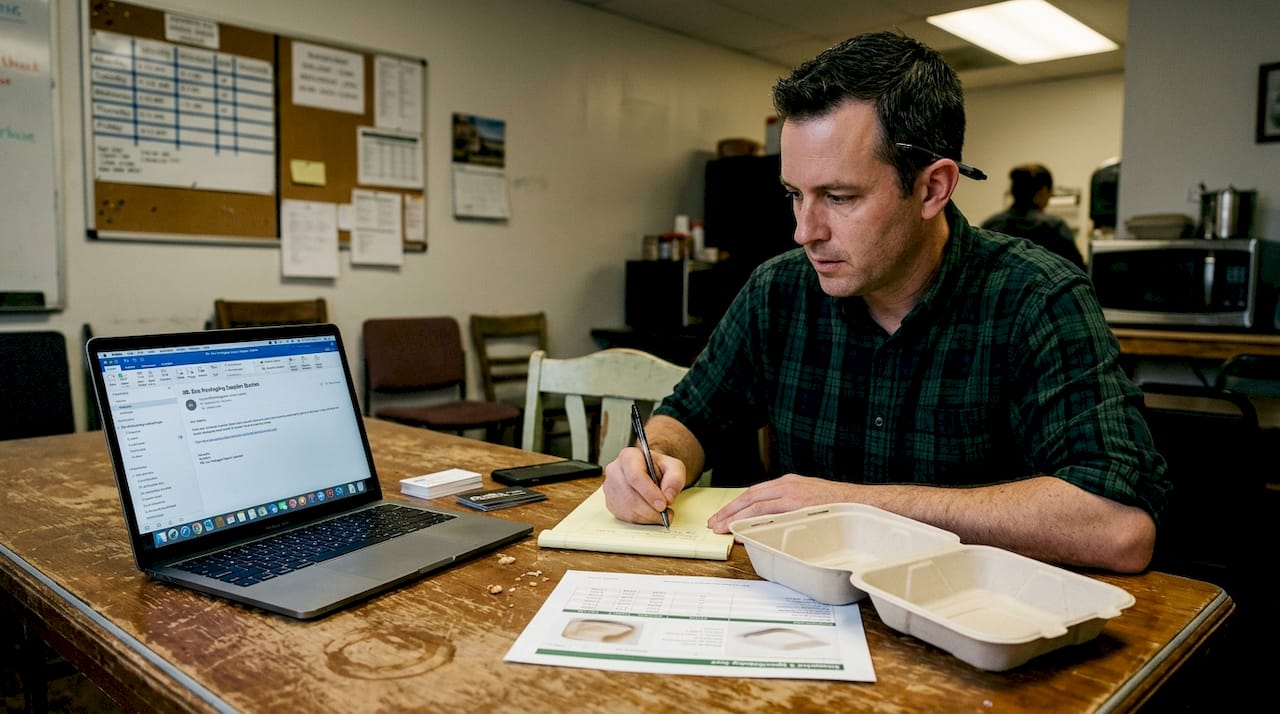
- Order samples and prototypes. Never skip this step. Test samples under real conditions: heat, grease, weight, and handling.
- Confirm compliance documentation. Before approving production, collect written confirmation that all materials meet your local regulations.
- Plan your rollout. Coordinate inventory transitions so you are not mixing old generic bags with new branded ones mid-service.
The sustainable packaging workflow covers the design-to-delivery process in detail, including how to brief a manufacturer efficiently. Smart design choices also help with cutting packaging waste, which reduces your long-term costs.
“Eco-friendly packaging must satisfy both sustainability and food safety requirements. Cost and supplier verification remain the two biggest hurdles operators face.”
The most common mistakes are predictable: skipping the sample stage, accepting verbal certification promises, and underestimating lead times. Build in at least four to six weeks for a first production run with a new supplier.
Pro Tip: Ask every potential supplier to provide references from foodservice clients specifically, not just retail. Food environments have different demands, and you want a manufacturer who already knows that world.
A fresh perspective: What most guides miss about custom packaging success
Most articles tell you to go green and add your logo. That is the easy part. What they rarely say is that custom packaging success depends more on operational fit than on aesthetics.
We see operators invest in beautiful sustainable branding and still struggle because the packaging did not match their workflow or customer profile. A fast-casual concept with a $12 average order value and no loyalty program will not recover the cost premium from custom bags. The math simply does not work.
The operators who win with custom packaging share three traits. They choose materials that reduce food waste and over-packing, which lowers cost over time more than the unit price suggests. They build supplier relationships that include compliance documentation and fast reorders. And they treat packaging as part of the customer experience budget, not the supply expense line.
Personalization alone is not enough. Pairing a sharp brand identity with verified compliance and a reliable domestic supplier is what actually drives long-term value. Going green is a worthy goal. Going green and operationally sound is the goal worth chasing.
Upgrade your packaging: Sustainable solutions for restaurants
If this article moved the needle for you, the next step is finding a manufacturing partner who understands both sides of the equation: brand impact and operational reality.
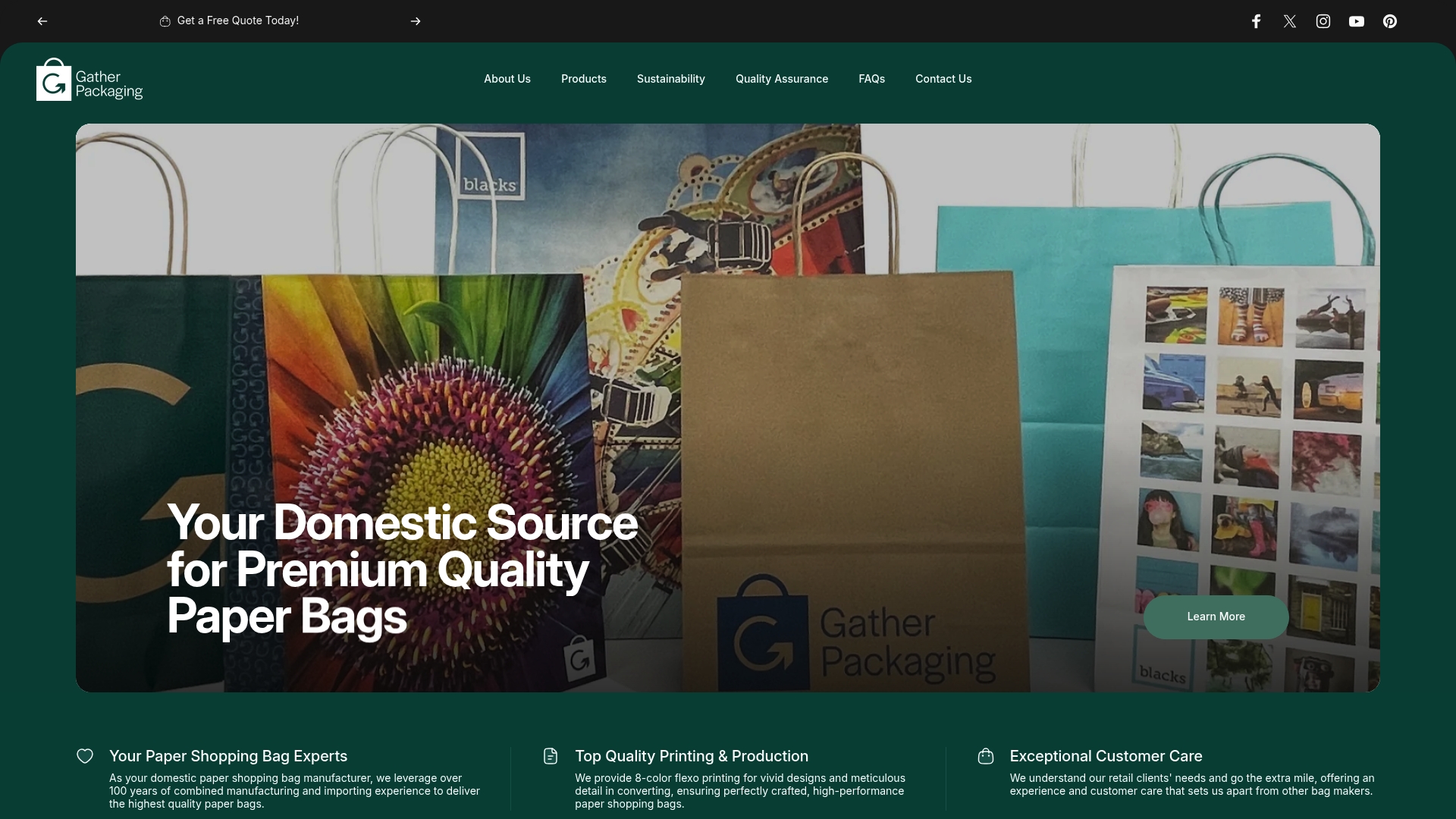
At Gather Packaging, we manufacture eco-friendly, custom-printed paper bags in Toronto, Canada, with fast North American turnaround and FSC®-certified materials. From design assistance to compliance documentation, we handle the details so you can focus on your kitchen. Browse our eco-friendly packaging solutions to see our sustainability commitments, or explore custom kraft paper options to find the right bag style for your concept. Let your packaging work as hard as everything else in your operation.
Frequently asked questions
How does custom packaging enhance a restaurant’s brand?
Custom packaging increases brand recognition, makes your values visible to customers, and creates a memorable experience that encourages repeat business. With 84% of foodservice companies prioritizing sustainability in packaging, branded eco-friendly bags also signal that your operation aligns with what today’s diners expect.
What packaging trends are shaping North American restaurants in 2026?
Sustainability, recyclability, and regulatory compliance are the top trends, with the eco-friendly packaging market growing at 5.3% annually through 2033. Quick service restaurants are leading adoption, driven by both customer pressure and new legislation.
Is custom packaging more expensive than generic alternatives?
Upfront per-unit costs are usually higher, but custom packaging can reduce waste, strengthen brand returns, and often achieves net savings for operations with average order values above $25. The all-in cost picture looks much better once you factor in reduced over-packaging and stronger customer loyalty.
How can restaurants avoid custom packaging mistakes?
Verify supplier certifications, confirm food safety and sustainability compliance in writing, and never skip the sample stage. 87% of first orders run into problems when operators skip the verification step, and most of those problems are entirely preventable with a simple documentation checklist.
Share:
How to Design Foodservice Bags for Eco-Friendly Branding
Top Qualities of Durable Paper Bags for Retail & Foodservice