
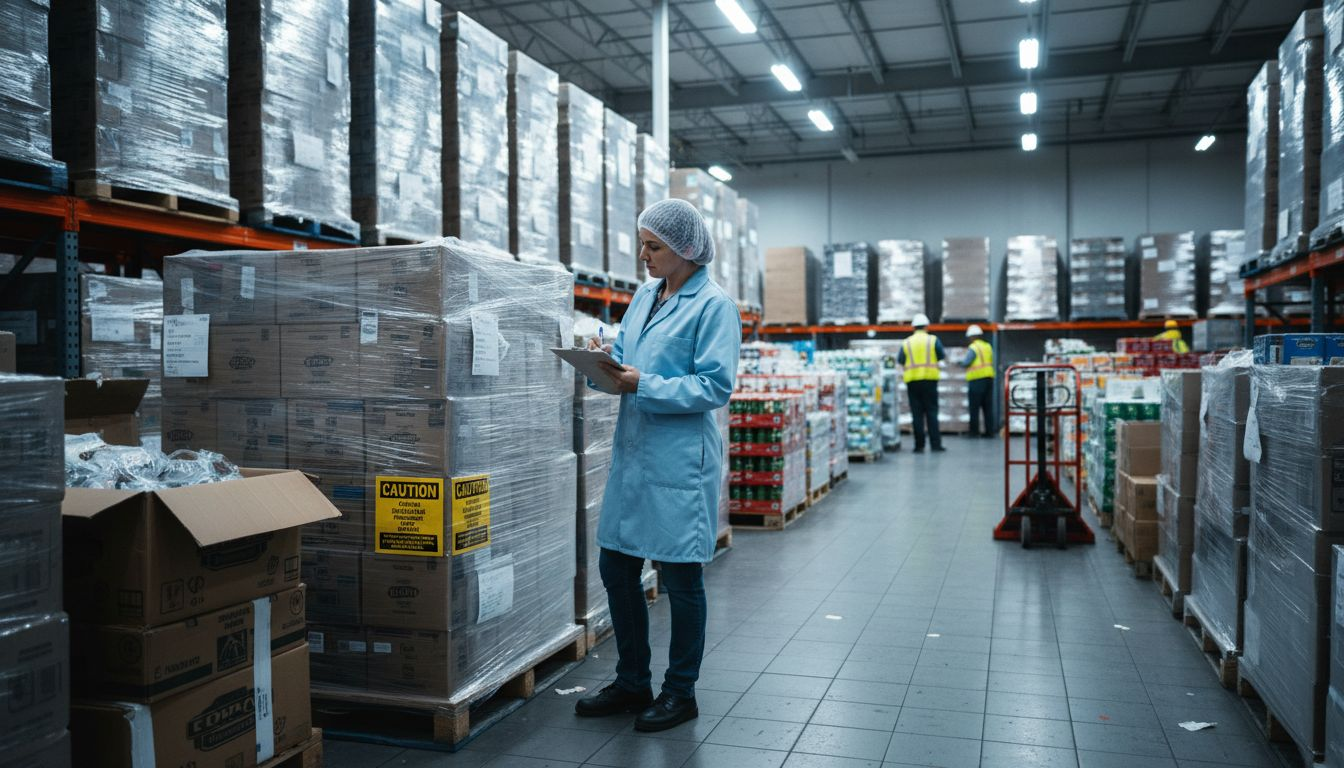
Not all plastics are unsafe for food, but choosing the right packaging still confuses many business owners. Food-safe packaging protects your products from contamination while preserving quality and meeting strict regulatory standards. This guide clarifies definitions, risks, regulations, materials, and sustainability so you can make informed packaging decisions that protect both consumers and your brand.
Table of Contents
- Introduction To Food-Safe Packaging
- How Food Packaging Ensures Safety: Mechanisms And Risks
- Regulatory Frameworks Governing Food-Safe Packaging In North America
- Materials Used In Food-Safe Packaging: Properties And Trade-Offs
- Sustainable Food-Safe Packaging Options For Retail And Foodservice
- Common Misconceptions About Food-Safe Packaging
- How To Choose And Implement Food-Safe Packaging Solutions
- Conclusion And Next Steps For Business Owners
- Explore Food-Safe Packaging Solutions At Gather Packaging
Key takeaways
| Point | Details |
|---|---|
| Food-safe packaging prevents contamination and supports brand reputation | Proper packaging shields food from chemical migration and microbial risks while building consumer trust. |
| Compliance with FDA and state regulations is mandatory for safety | Federal and state laws require approved materials and certifications like GFSI and HACCP to ensure packaging safety. |
| Sustainable options like FSC® paper balance safety and eco-goals | Certified materials using water-based inks offer eco-friendly solutions without compromising food safety standards. |
| Material choice depends on food type and storage conditions | Selecting packaging requires matching barrier properties and migration risks to your specific product needs. |
| Structured supplier vetting ensures ongoing compliance and quality | Working with certified manufacturers and conducting regular audits maintains safety standards throughout your supply chain. |
Introduction to food-safe packaging
Food-safe packaging is designed to directly contact food without causing contamination or compromising quality. It serves as your first line of defense against chemical hazards and microbial growth that threaten both consumer health and your brand reputation.
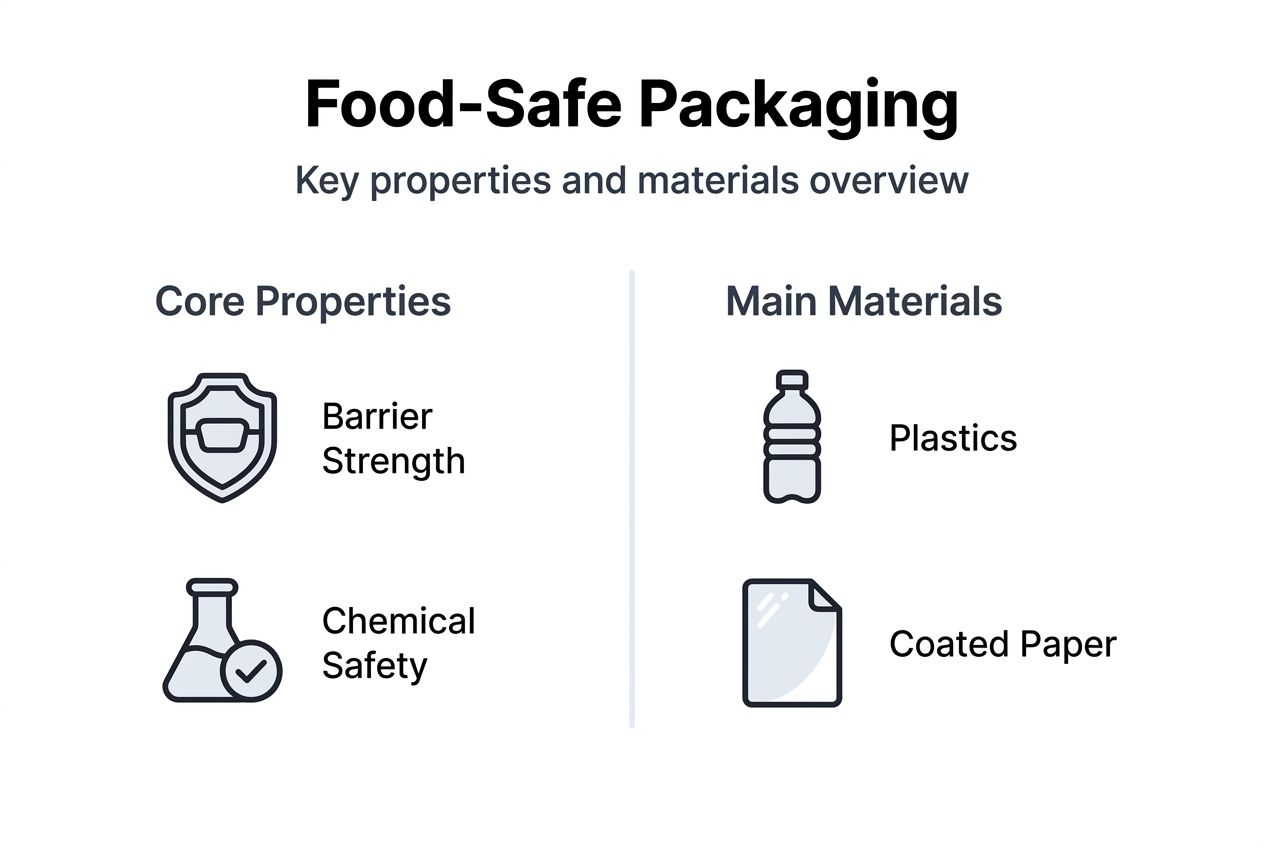
Food packaging serves four core functions: containment, protection, preservation, and communication. Containment keeps food in place during transport and storage. Protection shields against physical damage, moisture, oxygen, and light that degrade quality. Preservation extends shelf life by controlling environmental factors. Communication delivers branding, nutritional information, and handling instructions to consumers.
Understanding packaging categories helps you identify where food safety matters most:
- Primary packaging directly contacts food (bags, wraps, containers)
- Secondary packaging groups primary units together (outer boxes, cartons)
- Tertiary packaging facilitates bulk transport (pallets, shipping containers)
Primary packaging carries the highest food safety responsibility because it touches your product directly. Any chemical migration or contamination happens at this critical interface. Business owners must recognize that packaging quality directly affects food integrity and consumer trust. Making informed choices about primary packaging protects your customers and strengthens your brand position in competitive retail and foodservice markets.
How food packaging ensures safety: mechanisms and risks
Chemical migration occurs when substances from packaging materials transfer into food. Chemical migration increases at higher temperatures, longer storage times, and with fatty or acidic foods. Heat accelerates molecular movement, pushing chemicals from packaging into your products. Fat content acts as a solvent, drawing more substances out of materials. Time simply allows more opportunity for migration to occur.
Packaging controls contamination through multiple mechanisms:
- Barrier properties block moisture, oxygen, and light penetration
- Sealed surfaces prevent cross-contamination from external sources
- Antimicrobial materials inhibit bacterial and fungal growth
- Inert surfaces resist chemical reactions with food components
Microbial contamination poses serious risks when packaging fails. Proper materials create hostile environments for bacteria, mold, and yeast that cause spoilage and illness. Oxygen barriers slow aerobic bacterial growth. Moisture control prevents mold proliferation. Temperature-resistant materials maintain integrity during hot fill processes or refrigerated storage.
Using food-safe packaging reduces foodborne illnesses by preventing cross-contamination and chemical hazards. Every contamination incident damages consumer trust and triggers costly recalls. Your packaging choice directly impacts public health outcomes and your business continuity.
Pro Tip: Match your packaging material to storage conditions and food characteristics. Hot, fatty foods need low-migration plastics or coated papers. Dry goods tolerate paper-based options. Cold storage extends safe contact time for most approved materials.
Regulatory frameworks governing food-safe packaging in North America
FDA regulates all food-contact materials and requires safety data proving no health hazard before marketing. Title 21 of the Code of Federal Regulations establishes specific requirements for different material types. Manufacturers must demonstrate that their packaging meets migration limits and safety thresholds through rigorous testing.
Certifications verify compliance beyond basic legal requirements:
- GFSI (Global Food Safety Initiative) benchmarks comprehensive food safety management
- HACCP (Hazard Analysis Critical Control Points) identifies and controls contamination risks
- SQF (Safe Quality Food) combines safety and quality management standards
- ISO 22000 provides international food safety management framework
State regulations add complexity to federal baseline requirements. Several states enact laws phasing out toxic chemicals like PFAS in food packaging due to health risks. California, Maine, and Washington lead restrictions on per- and polyfluoroalkyl substances. New York and Vermont target phthalates in children’s food packaging. These state-level bans often exceed federal standards, creating patchwork compliance challenges.
Business owners face increasing regulatory complexity requiring active monitoring. Rules change as new research reveals health concerns about previously approved substances. Working with suppliers who track regulatory updates protects you from using newly restricted materials. Canadian-made packaging often meets both U.S. and Canadian standards, simplifying cross-border operations.
Regulatory compliance prevents recalls, fines, and reputation damage. Non-compliant packaging triggers enforcement actions, product seizures, and public warnings that destroy consumer confidence. Investing in certified, compliant materials upfront costs less than recovering from a safety incident.
Materials used in food-safe packaging: properties and trade-offs
FDA-approved plastics dominate food packaging because of their versatility and barrier properties. Polyethylene, polypropylene, and polyethylene terephthalate (PET) offer different strengths. However, recycled plastic content raises contamination concerns. Unauthorized recycled plastics pose contamination risks due to unknown chemical residues from previous uses.
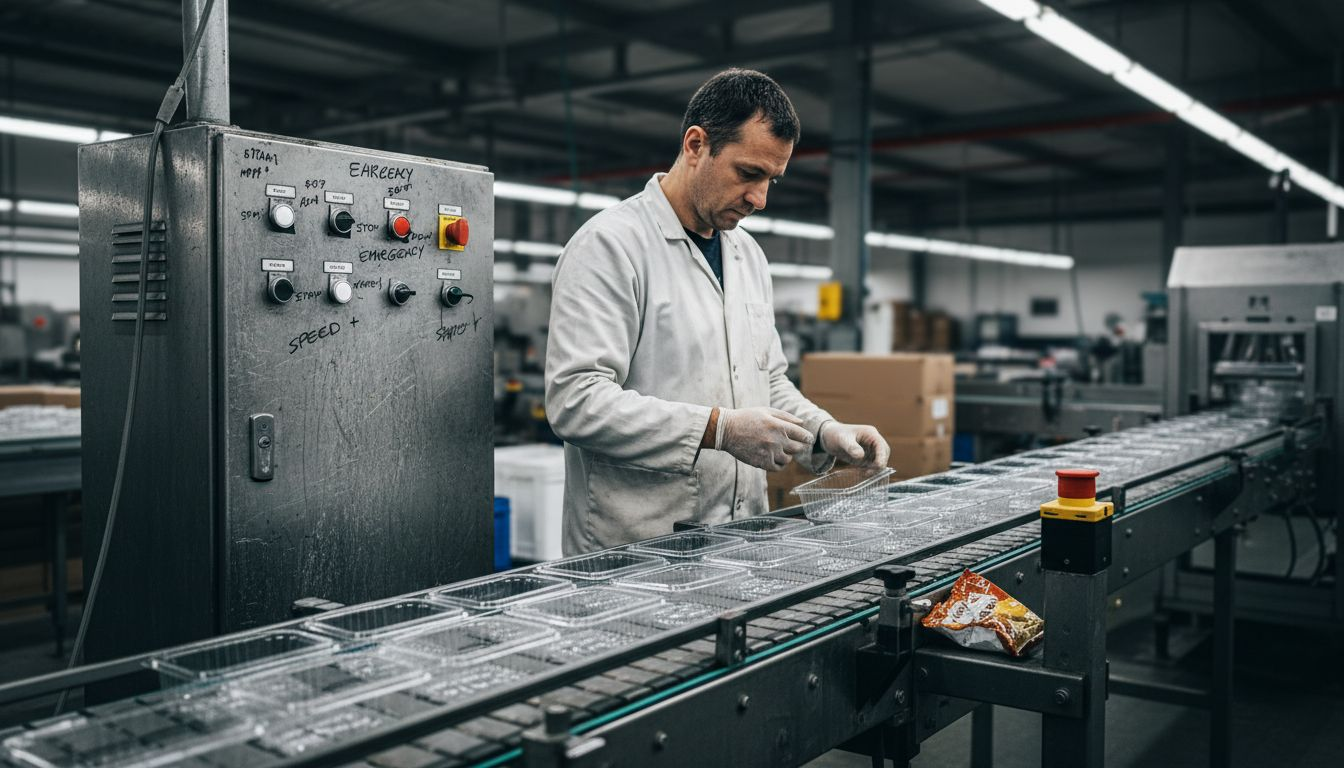
Paper-based packaging with food-safe coatings provides sustainable alternatives for many applications. Uncoated paper absorbs moisture and grease, compromising food quality and safety. Wax, polyethylene, or water-based barrier coatings create protective layers. Choosing paper bags for foodservice requires understanding which coatings match your product characteristics.
Vacuum and modified atmosphere packaging extend meat shelf life by controlling oxygen and microbial contamination effectively. Removing oxygen prevents aerobic bacteria growth and oxidation. Replacing air with nitrogen or carbon dioxide further inhibits spoilage. These methods dramatically extend refrigerated shelf life for perishable proteins.
| Material Type | Barrier Properties | Typical Uses | Migration Risks | Sustainability Notes |
|---|---|---|---|---|
| FDA-approved plastics | Excellent moisture and oxygen barriers | Meats, liquids, refrigerated items | Moderate; increases with heat and fat | Recyclable but energy-intensive; post-consumer recycled content needs authorization |
| Coated paper | Good for dry/low-fat foods | Bakery, dry goods, takeout | Low with proper coatings | Biodegradable; FSC® certification improves sustainability |
| Vacuum packaging | Superior oxygen control | Fresh meats, cheese, prepared foods | Low with approved films | Plastic-based; focus on minimal material use |
| Uncoated paper | Breathable; poor moisture barrier | Bread, produce needing air flow | Very low | Highly sustainable; compostable and recyclable |
Material selection involves trade-offs between performance, safety, and environmental impact:
- Plastics offer superior barriers but raise sustainability and migration concerns
- Paper provides biodegradability but needs coatings for moisture protection
- Recycled materials reduce waste but require careful authorization verification
- Compostable options support circular economy but may have limited barrier performance
Pro Tip: Always validate that recycled materials carry FDA authorization letters proving safety for food contact. Unauthorized recycled content introduces unknown contaminants that threaten consumer health and your compliance status.
Sustainable food-safe packaging options for retail and foodservice
FSC®-certified papers and water-based inks deliver certified sustainable packaging for dry and low-fat foods. Forest Stewardship Council certification guarantees responsible forestry practices. Water-based inks eliminate volatile organic compounds found in solvent-based alternatives. These materials meet FDA safety standards while minimizing environmental footprint.
Biodegradable and recycled-content materials that pass FDA safety standards reduce waste without compromising protection. Not all biodegradable materials are food-safe, so verification matters. Approved options include certain plant-based plastics, unbleached papers, and certified compostable films. These materials break down naturally while maintaining required barrier properties during use.
Balancing food safety with ecological responsibility requires strategic material selection:
- Choose proper barrier coatings that protect food while remaining biodegradable
- Verify third-party certifications proving both safety and environmental claims
- Demand supplier transparency about material sourcing and manufacturing processes
- Test packaging performance under actual storage and handling conditions
Sustainable food-safe packaging delivers multiple business benefits:
- Enhanced brand reputation among environmentally conscious consumers
- Regulatory compliance with emerging state-level environmental mandates
- Reduced waste disposal costs through composting or recycling programs
- Differentiation in crowded retail and foodservice markets
- Risk mitigation against future restrictions on conventional materials
Sustainable packaging solutions increasingly offer performance matching traditional materials. Innovations in bio-based barriers and compostable films close the gap. Retail packaging design for sustainability shows how smart choices reduce waste while boosting sales through consumer appeal.
Sustainable printing practices complement eco-friendly materials by reducing emissions and chemical use. Water-based and soy-based inks replace petroleum solvents. Digital printing minimizes setup waste. These methods maintain food safety standards while supporting your sustainability goals. Proven sustainable designs help you cut waste, meet regulations, and strengthen brand image simultaneously.
Common misconceptions about food-safe packaging
Many business owners believe all plastics are unsafe for food packaging. Reality: numerous FDA-approved plastics are completely safe when used correctly. Polyethylene, polypropylene, and PET have decades of proven safety records. The key is using authorized formulations within their intended temperature and food-type limits.
Another common myth suggests food-safe packaging only preserves food without affecting brand reputation. Truth: packaging safety directly impacts consumer trust and brand loyalty. One contamination incident generates negative publicity that takes years to overcome. Safe packaging demonstrates your commitment to customer wellbeing, strengthening brand value.
Business owners often underestimate chemical migration risks during material selection. This leads to choosing packaging prone to contamination under actual use conditions. Migration accelerates with heat, fat content, and storage time. Ignoring these factors puts consumers at risk and exposes your business to liability.
Some believe sustainability and food safety are incompatible goals. This misconception slows adoption of safe eco-friendly options that exist today. Many sustainable materials meet rigorous FDA standards:
- FSC®-certified papers with approved barrier coatings
- Plant-based plastics authorized for food contact
- Recycled content materials with proper FDA clearance
- Compostable films meeting both safety and biodegradability standards
Packaging labels and safety features communicate brand responsibility beyond legal requirements. The role of packaging labels extends to building consumer confidence through transparent safety information. Clear labeling about materials, recycling instructions, and certifications reinforces your commitment to both safety and environmental stewardship. These visible signals of responsibility differentiate your brand in competitive markets.
How to choose and implement food-safe packaging solutions
Follow this framework to select compliant, effective packaging:
- Assess your food type and specific packaging needs based on moisture, fat content, acidity, and storage conditions
- Review applicable FDA regulations and required certifications for your product category and distribution markets
- Evaluate candidate materials for safety performance, barrier properties, and sustainability alignment with brand values
- Work exclusively with certified suppliers offering documented FDA compliance and third-party quality certifications
- Establish ongoing quality assurance protocols including regular testing and supplier audits to maintain standards
Verify regulatory compliance through this documentation checklist:
- FDA authorization letters for all food-contact materials
- Third-party certifications (GFSI, HACCP, SQF, or ISO 22000)
- Migration testing results proving safety under intended use conditions
- Material safety data sheets detailing chemical composition
- Supplier quality management system documentation
Supplier verification ensures consistent quality and reduces risk. Request certification documentation before placing orders. Audit suppliers periodically to confirm ongoing compliance. Establish clear specifications for materials, testing, and documentation requirements. Choosing Canadian packaging manufacturers offers advantages in regulatory adherence and quality consistency due to stringent North American standards.
Pro Tip: Conduct packaging performance audits quarterly after implementation. Test random samples for barrier integrity, migration levels, and physical durability. Early detection of quality drift prevents contamination incidents and maintains consumer trust.
Engage knowledgeable suppliers who understand your industry’s specific requirements. Manufacturers with foodservice and retail experience anticipate challenges and recommend proven solutions. They stay current on regulatory changes affecting your packaging choices. This partnership approach reduces your compliance burden while improving packaging performance.
Conclusion and next steps for business owners
Food-safe packaging protects food integrity, ensures regulatory compliance, and builds lasting consumer trust. The right packaging prevents contamination through proper material selection, adequate barrier properties, and verified safety credentials. Your packaging choices directly impact public health, brand reputation, and business success.
Key criteria for effective food-safe packaging include:
- Material safety verified through FDA approval and migration testing
- Regulatory compliance with federal and applicable state requirements
- Sustainability features that reduce environmental impact without compromising safety
- Functional protection matching your specific food characteristics and distribution conditions
Adopting sustainable food-safe packaging solutions creates strategic advantages in increasingly competitive markets. Consumers actively seek brands demonstrating environmental responsibility alongside safety commitments. Meeting both expectations differentiates your business and builds loyalty.
Continue learning about packaging innovations and regulatory updates through industry associations and trusted suppliers. Strong supplier partnerships provide ongoing compliance support and access to emerging materials. Evaluate your current packaging against the criteria outlined here. Implement improvements systematically, starting with highest-risk products. The investment in proper food-safe packaging protects your customers, strengthens your brand, and supports long-term business growth.
Explore food-safe packaging solutions at Gather Packaging
Gather Packaging offers certified, sustainable food-safe packaging designed specifically for foodservice and retail businesses. Our FSC®-certified materials, water-based inks, and custom printing services align with both safety regulations and environmental goals.
Our eco-friendly packaging products include compostable bags and biodegradable options that meet FDA standards. Explore custom printed kraft paper bags available in multiple styles including turn top, serrated top, and tamper-resistant designs. All products feature vibrant 8-color flexo printing for distinctive branding.
Canadian made kraft paper bags ensure quick turnaround, competitive pricing, and compliance with North American regulations. Our expert team provides design assistance, prototyping, and quality assurance support throughout your packaging selection process. We help you navigate material choices, certifications, and customization options to find solutions perfectly suited to your products and brand values.
FAQ
What materials are considered safe for food packaging?
FDA-approved plastics like polyethylene and polypropylene, coated papers with authorized barriers, vacuum packaging films, and certain recycled materials with FDA clearance are safe for food contact. Material safety depends on matching properties to your specific food type and storage conditions.
How can I ensure my packaging complies with food safety regulations?
Work with certified suppliers offering FDA-compliant materials and complete documentation including authorization letters and test results. Review federal and state regulations regularly, verify certifications like GFSI or HACCP, and conduct ongoing quality audits. Maintain records proving compliance for regulatory inspections.
Are sustainable packaging options safe for all food types?
Many sustainable materials meet FDA safety standards for specific foods, particularly dry goods and low-fat items. Success requires selecting appropriate barriers and verified certifications. Fatty or acidic foods need specialized sustainable materials with proven migration resistance to ensure safety without compromising environmental goals.
Share:
Why choose Canadian packaging manufacturers in 2026
What is reusable paper packaging? 2026 business guide