
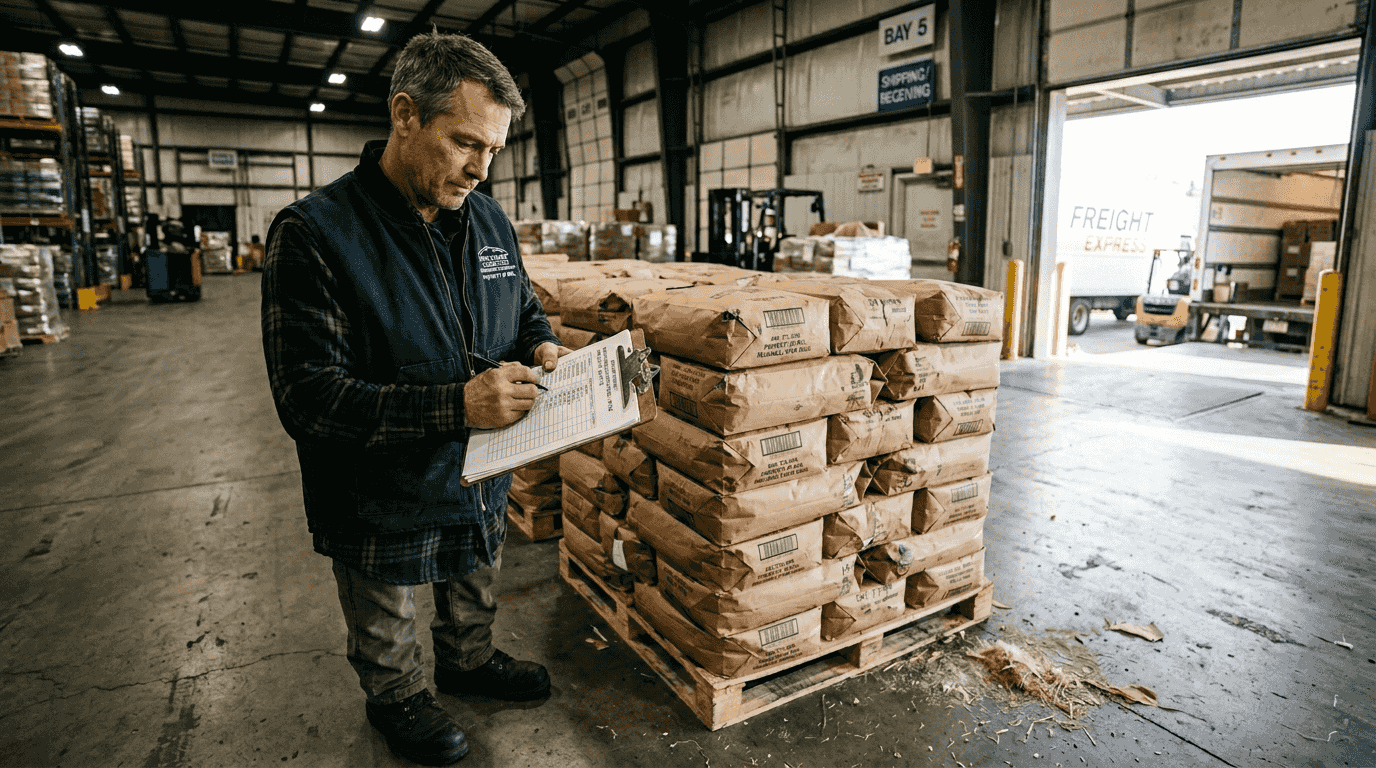
Switching to reusable paper packaging can reduce packaging waste by up to 60%, offering retail and foodservice businesses a powerful way to cut costs while strengthening eco-friendly branding. Yet many business owners struggle to balance sustainability goals with practical concerns about durability, customization, and upfront investment. This guide explains what reusable paper packaging is, how it works, and why it delivers measurable environmental and financial returns for your business.
Table of Contents
- Understanding Reusable Paper Packaging: Definition And Mechanisms
- Materials And Sustainability Certifications
- Durability And Reuse Lifecycle Of Paper Packaging
- Customization And Printing Technologies
- Environmental Benefits And Supporting Data
- Cost, ROI, And Business Implications
- Navigating North American Regulations And Certifications
- Common Misconceptions About Reusable Paper Packaging
- Explore Custom Reusable Paper Packaging Solutions For Your Business
Key takeaways
| Point | Details |
|---|---|
| Waste reduction | Reusable paper packaging cuts packaging waste by up to 60% through multiple-use cycles. |
| Sustainable materials | FSC-certified and recycled paper with water-based inks ensure environmental responsibility. |
| Reuse cycles | Designed for 3 to 7 uses before recycling, extending product life significantly. |
| Brand customization | Advanced 8-color flexo printing enhances visibility and reinforces brand identity. |
| Financial returns | Higher initial costs offset within 6 to 12 months through reduced purchase frequency and customer preference gains. |
Understanding reusable paper packaging: definition and mechanisms
Reusable paper packaging refers to bags and containers engineered for multiple uses instead of single-use disposal. Unlike conventional paper packaging discarded after one trip, reusable paper packaging extends product life through reinforced construction and thoughtful design.
The core mechanism is simple. Durable materials and robust construction allow these packages to withstand repeated handling, carrying, and storage. Most reusable paper bags complete 3 to 7 use cycles before they reach end of life and enter recycling streams. This extended lifespan directly reduces the total volume of packaging your business purchases and disposes of annually.
Retail stores and foodservice operators use reusable paper packaging to replace mountains of single-use bags. Instead of handing out disposable bags that immediately become waste, you provide customers with sturdy options they can bring back for future purchases. This shift supports business sustainability goals while cutting operational packaging costs over time.
Key characteristics include:
- Reinforced handles and seams for strength
- Moisture-resistant coatings for protection
- Tamper-evident features for security
- Recyclable materials at end of lifecycle
Reusable paper packaging transforms packaging from a disposable commodity into a reusable asset, aligning business operations with circular economy principles.
The environmental footprint shrinks dramatically when one bag replaces five or seven single-use alternatives. This multiplication effect makes reusable paper packaging one of the most practical sustainability upgrades available to retail and foodservice businesses today.
Materials and sustainability certifications
The materials powering reusable paper packaging determine both environmental impact and reuse capability. FSC-certified paper forms the foundation for most high-quality reusable bags, guaranteeing sourcing from responsibly managed forests covering over 220 million hectares worldwide.
FSC certification provides third-party verification that your packaging materials support sustainable forestry rather than deforestation. When you choose FSC-certified options, you demonstrate environmental commitment your customers can verify and trust.
Recycled content adds another sustainability layer. Using recycled paper fibers reduces demand for virgin materials and supports circular economy principles. Many manufacturers blend virgin FSC-certified fibers with recycled content to optimize both strength and environmental performance.
Water-based inks represent a critical advancement over petroleum-based alternatives. These inks emit fewer volatile organic compounds during production and printing, lowering air pollution and worker exposure to harmful chemicals. The result is vibrant, customized branding without compromising environmental standards.
Material choices directly affect reuse capability:
- High-grade kraft paper provides tensile strength for heavy loads
- Coated finishes add moisture resistance for foodservice applications
- Reinforced bottom panels prevent tearing during repeated use
- Layered construction supports structural integrity across multiple cycles
Businesses concerned about greenwashing should prioritize verified certifications over vague environmental claims. FSC marks, recycled content percentages, and ink specifications provide measurable, auditable sustainability metrics.
Gather Packaging’s eco-friendly paper bags showcase how certified materials combine with advanced manufacturing to deliver both environmental performance and brand impact. Their Canadian made paper bags further reduce transportation emissions through domestic production.
Pro Tip: Request material certifications and test reports from suppliers before committing to large orders. Verified documentation protects your brand reputation and ensures compliance with emerging regulations.
Durability and reuse lifecycle of paper packaging
Durability determines whether reusable paper packaging delivers on its sustainability promise or fails after one use. Modern construction techniques now produce paper bags supporting loads equivalent to light plastics, with reuse lifecycles spanning 3 to 7 cycles depending on application and handling.
High-grade paper stock forms the structural foundation. Manufacturers select fiber blends optimized for tensile strength, tear resistance, and flexibility. These materials withstand the stress of repeated loading, carrying, and storage without catastrophic failure.
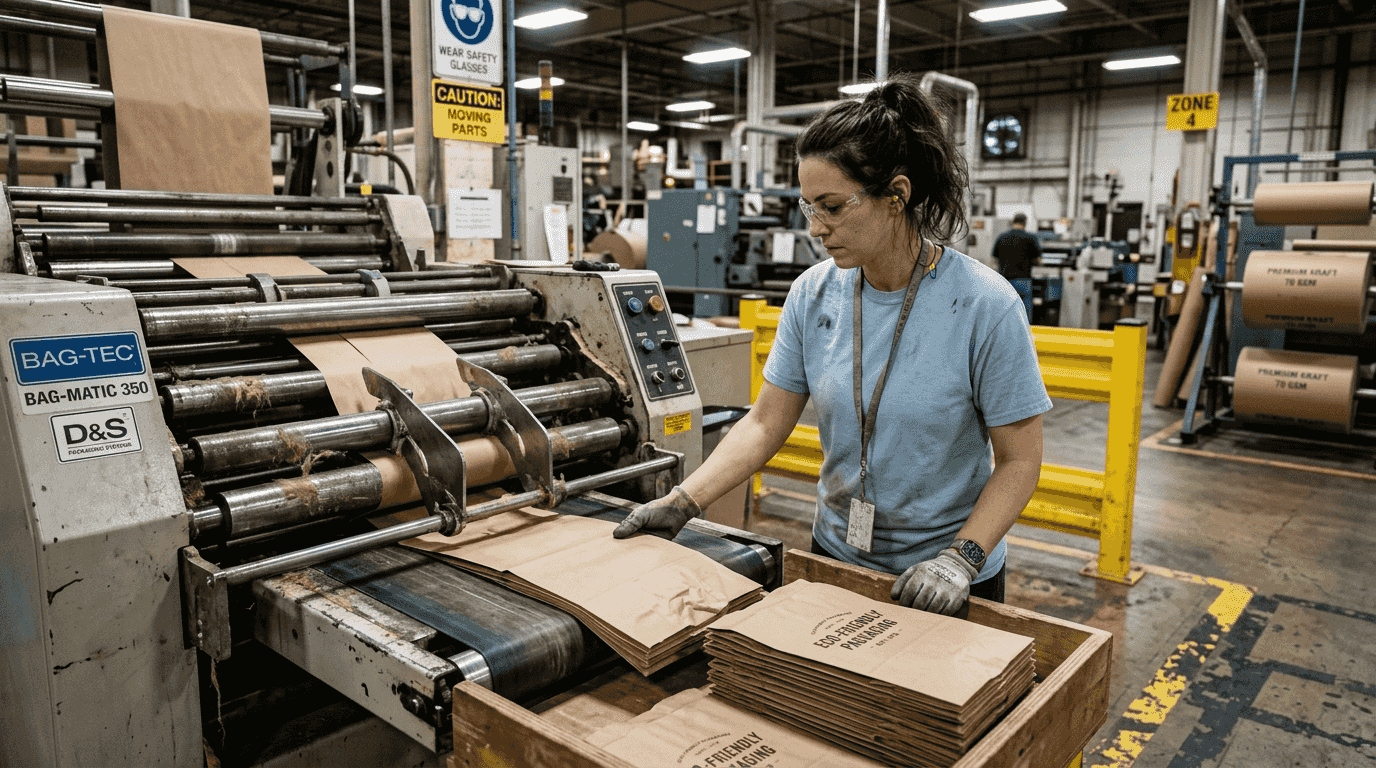
Reinforced construction adds durability through strategic design. Double-thick handles distribute weight evenly to prevent tearing. Reinforced bottom panels support heavy items without splitting. Folded and glued seams create strong joints that survive multiple use cycles.
Moisture resistance extends functionality into challenging environments. Foodservice operators need bags that handle condensation from cold beverages or humidity from hot foods. Protective coatings provide water resistance without sacrificing recyclability or adding problematic chemicals.
Tamper-evident features serve dual purposes. Security seals protect product integrity while also indicating whether a bag has been opened or compromised. These additions make reusable paper packaging suitable for regulated industries requiring chain of custody documentation.
Evaluating durability for your specific needs requires matching packaging specifications to real-world conditions:
- Product weight and dimensions
- Handling frequency and intensity
- Environmental exposure (heat, moisture, sunlight)
- Security and compliance requirements
- Customer behavior and reuse patterns
Gather Packaging’s focus on sustainable packaging durability ensures their products meet demanding retail and foodservice applications. Testing under actual operating conditions reveals optimal reuse cycles and identifies any needed specification adjustments.
Pro Tip: Conduct pilot programs with small batches before full rollout. Real-world testing identifies durability issues and reuse patterns specific to your operations, preventing costly mistakes at scale.
Customization and printing technologies
Reusable paper packaging functions as a mobile billboard for your brand, making customization essential for maximizing marketing impact. Modern flexographic printing delivers vibrant 8-color designs that transform functional packaging into powerful brand assets.
Customization options extend far beyond simple logos. Full-coverage designs, gradient colors, photographic images, and intricate patterns all become possible with advanced printing technology. This visual flexibility lets your packaging reflect brand identity as effectively as your website or storefront.
Design features add functionality alongside aesthetics. Serrated tops provide easy opening for customers while maintaining tamper evidence. Reinforced handles offer comfortable carrying for heavier items. Window cutouts showcase products while maintaining structural integrity.
The customization process follows a structured workflow:
- Consultation to define requirements, materials, and design concepts
- Digital proofs showing exact colors, placement, and finishing details
- Production with quality checks at multiple stages
- Delivery with documentation and reorder specifications
Printing advances support environmental goals without sacrificing quality. Water-based inks deliver rich colors while minimizing volatile organic compounds. Digital pre-press eliminates film waste and speeds turnaround times. Precise color matching ensures brand consistency across production runs.
Safety elements integrate seamlessly into custom designs. Tamper-resistant seals, sequential numbering, and security printing all enhance product protection while reinforcing professional branding.
Gather Packaging’s custom printed kraft paper bags demonstrate how sustainability and branding work together rather than compete. Their expertise helps businesses navigate choosing paper bags for retail and foodservice applications. As a domestic paper shopping bags manufacturer, they offer faster turnaround and closer collaboration than overseas alternatives.
Customization transforms commodity packaging into strategic brand tools. When customers reuse your bags repeatedly, your brand gains ongoing visibility far exceeding single-use alternatives.
Environmental benefits and supporting data
The environmental case for reusable paper packaging rests on quantifiable reductions in waste, emissions, and resource consumption. Data shows switching from single-use to reusable options can reduce packaging waste by up to 60%, with additional benefits across multiple environmental metrics.
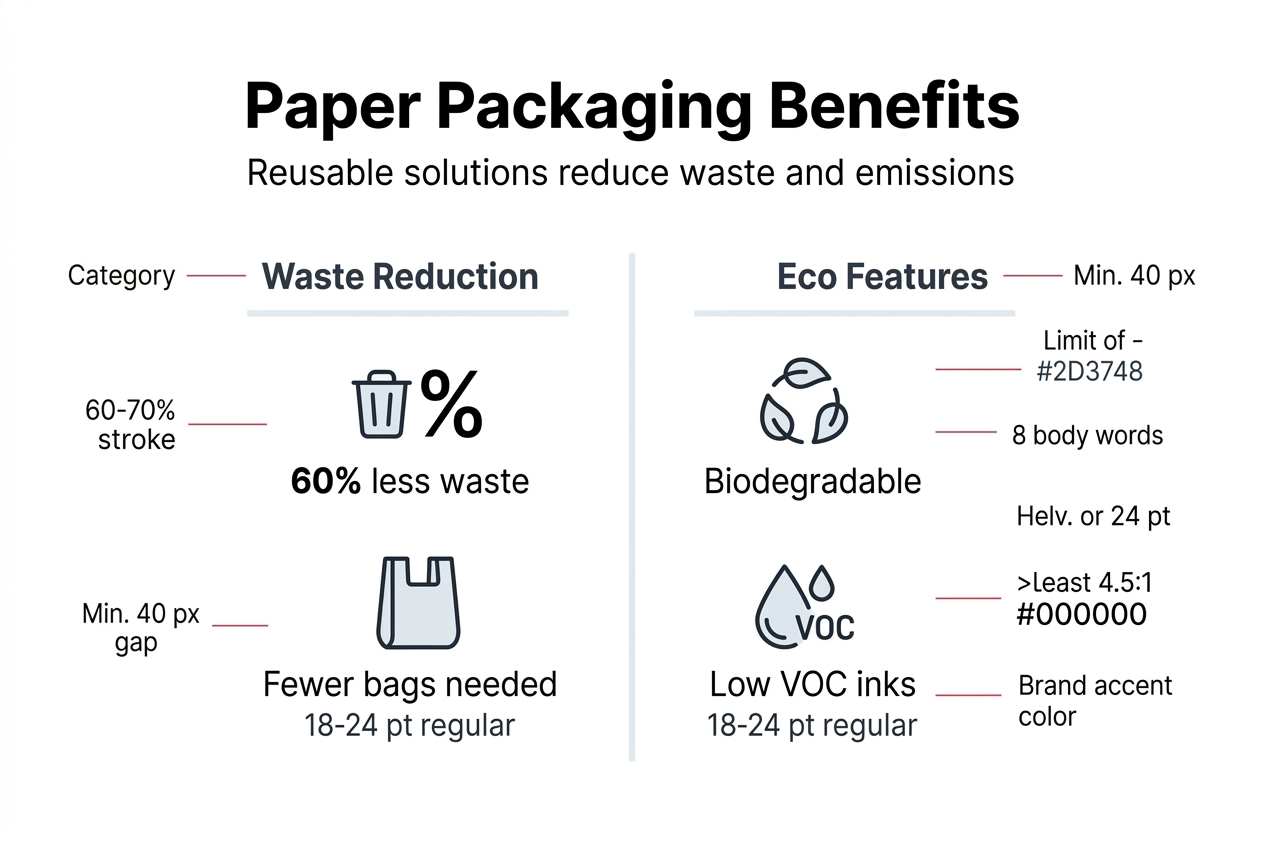
Biodegradability provides a critical advantage over plastic alternatives. Paper packaging breaks down in 2 to 6 months in composting conditions, while plastics persist for 400 years or longer in landfills and oceans. This rapid decomposition prevents long-term environmental accumulation even when bags escape proper disposal channels.
Water-based inks lower volatile organic compound emissions during production compared to petroleum-based alternatives. Manufacturing facilities using these inks reduce air pollution and worker exposure to harmful chemicals, supporting both environmental and occupational health goals.
Comparative analysis reveals the full sustainability picture:
| Packaging Type | Waste Reduction | Biodegradation Time | VOC Emissions | Reuse Cycles |
|---|---|---|---|---|
| Reusable Paper | Up to 60% | 2 to 6 months | Low (water-based inks) | 3 to 7 |
| Single-Use Paper | Baseline | 2 to 6 months | Moderate | 1 |
| Plastic Bags | N/A | 400+ years | High | 1 to 2 |
Regulatory momentum reinforces environmental benefits. Over 40 North American jurisdictions now mandate recycled content or reuse targets, making sustainable packaging a compliance requirement rather than optional upgrade. Understanding 2025 packaging regulations impact helps businesses stay ahead of enforcement timelines.
Carbon footprint analysis shows reusable paper packaging delivers emissions advantages when reuse cycles exceed three uses. Detailed research on paper vs plastic emissions 2026 confirms that lifecycle emissions favor paper when reuse and biodegradability enter calculations.
Key environmental metrics to track:
- Total packaging volume purchased annually
- Waste disposal costs and diversion rates
- Customer return and reuse frequency
- Regulatory compliance status
- Carbon footprint across full lifecycle
Environmental benefits compound over time as reuse cycles accumulate and waste streams shrink, creating measurable operational and reputational value.
Documenting environmental performance supports marketing claims and builds customer trust. Third-party certifications and transparent reporting demonstrate genuine commitment rather than superficial greenwashing.
Cost, ROI, and business implications
Financial analysis reveals reusable paper packaging requires higher upfront investment but delivers superior long-term returns through reduced purchase frequency and enhanced customer loyalty. Initial costs typically run 15 to 25% higher than single-use alternatives, yet businesses recover this premium within 6 to 12 months.
Savings accumulate through multiple channels. Purchasing fewer total units reduces procurement costs despite higher per-unit prices. Lower waste disposal fees cut operational expenses. Reduced storage needs free up valuable space for inventory or customer service areas.
Customer preference drives unexpected revenue gains. Studies show up to 50% increase in customer preference for retailers offering sustainable packaging options. This preference translates into repeat visits, larger purchases, and positive word-of-mouth marketing worth far more than packaging cost differentials.
| Cost Factor | Reusable Paper | Single-Use Paper | Impact |
|---|---|---|---|
| Initial unit cost | $0.45 to $0.65 | $0.35 to $0.50 | 15 to 25% premium |
| Annual volume needed | 40% lower | Baseline | Fewer purchases |
| Waste disposal fees | 60% lower | Baseline | Operational savings |
| Customer preference | +50% favorability | Baseline | Revenue lift |
| Payback period | 6 to 12 months | N/A | ROI positive |
Total cost of ownership analysis changes the financial picture dramatically. When you factor in waste hauling fees, landfill costs, and purchasing labor, reusable options often cost less annually despite higher unit prices. Businesses focused solely on per-unit cost miss these substantial savings.
Brand value represents another significant but harder-to-quantify benefit. Sustainable packaging strengthens brand positioning, attracts environmentally conscious customers, and differentiates you from competitors still using cheap disposables. This reputational advantage compounds over years.
Gather Packaging helps businesses design retail packaging for sales while capturing eco packaging cost benefits through smart material selection and production efficiency.
Pro Tip: Calculate total cost of ownership including waste disposal, storage, and purchasing labor. This comprehensive view reveals the true financial advantage of reusable packaging over narrow per-unit cost comparisons.
Navigating North American regulations and certifications
Regulatory landscapes across North America increasingly mandate sustainable packaging practices, making compliance a business necessity rather than optional initiative. Over 40 jurisdictions now require recycled content minimums or reuse targets, with enforcement ramping up through 2026 and beyond.
FSC certification provides widely recognized verification of sustainable sourcing. Regulators, customers, and corporate buyers accept FSC marks as proof of environmental responsibility, simplifying compliance documentation and procurement approvals. This third-party validation protects your business from greenwashing accusations.
Incentives and rebates offset adoption costs in many regions. Provincial and state programs offer tax credits, grants, or expedited permitting for businesses adopting sustainable packaging. Researching available programs can reduce financial barriers and accelerate ROI timelines.
Regional variation creates complexity for multi-location operations. California’s requirements differ from Ontario’s, which differ from Quebec’s. Businesses operating across borders need packaging solutions meeting the strictest applicable standards to avoid managing multiple SKUs.
Food safety standards intersect with packaging regulations in foodservice sectors. Materials contacting food require specific certifications proving they won’t leach harmful chemicals or harbor dangerous bacteria. Understanding food-safe packaging guide requirements prevents costly compliance failures.
Key regulatory considerations:
- Minimum recycled content percentages
- Reuse or refill mandates for specific industries
- Extended producer responsibility programs
- Food contact material certifications
- Labeling and documentation requirements
Working with domestic manufacturers simplifies regulatory navigation. Choosing Canadian packaging manufacturers ensures familiarity with North American standards and faster response to regulatory changes compared to overseas suppliers.
Compliance represents opportunity rather than burden. Businesses meeting or exceeding regulatory requirements gain competitive advantages as laggards scramble to catch up. Early adoption positions your brand as a sustainability leader rather than regulatory follower.
Common misconceptions about reusable paper packaging
Several persistent myths prevent businesses from adopting reusable paper packaging despite clear environmental and financial benefits. Addressing these misconceptions with evidence helps decision makers move past unfounded hesitation.
Misconception: Paper packaging lacks durability for multiple uses. Reality shows modern construction techniques and materials deliver strength rivaling light plastics. Reinforced seams, high-grade fibers, and protective coatings enable 3 to 7 reuse cycles under normal conditions. Businesses doubting durability should request samples and conduct real-world testing rather than assuming failure.
Misconception: Reusable packaging always costs more overall. Total cost of ownership analysis proves otherwise. While per-unit costs run higher, reduced purchase frequency and lower waste disposal fees often make reusable options cheaper annually. Businesses fixated on upfront costs miss these substantial operational savings.
Misconception: Customers won’t return bags for reuse. Pilot programs demonstrate customers readily adopt reuse behaviors when incentivized. Small discounts, loyalty points, or simple reminders drive return rates high enough to achieve projected environmental and financial benefits. Customer behavior responds to clear communication and minimal friction.
Misconception: Customization sacrifices sustainability. Modern printing technology delivers vibrant branding using water-based inks and certified materials. Environmental performance and visual impact work together rather than compete. Businesses can achieve bold designs while maintaining FSC certification and recycled content.
Key misconception corrections:
- Durability now matches or exceeds plastic alternatives
- Lifecycle costs favor reusable options when properly analyzed
- Customer adoption succeeds with basic engagement strategies
- Customization enhances rather than undermines sustainability
Pilot programs dispel doubts through firsthand experience. Starting with limited rollouts lets you test durability, measure customer response, and refine processes before full-scale adoption. This low-risk approach builds internal confidence and generates data supporting broader implementation.
Technology advances continue improving performance and lowering costs. What seemed impractical five years ago now represents mainstream best practice. Businesses clinging to outdated assumptions miss opportunities competitors are already capturing.
Explore custom reusable paper packaging solutions for your business
Transforming your packaging strategy starts with exploring solutions matching your specific operational needs and brand identity. Gather Packaging offers customizable, FSC-certified reusable paper bags engineered for retail and foodservice applications where durability, branding, and sustainability must work together seamlessly.
Their custom printed kraft paper bags combine advanced 8-color flexographic printing with certified sustainable materials, delivering vibrant brand visibility across multiple reuse cycles. Whether you need custom kraft paper bags for retail merchandise or foodservice takeout, their Toronto-based manufacturing ensures quick turnaround and responsive service.
Explore eco-friendly paper bag options that align environmental responsibility with business objectives. Switching to Gather’s reusable paper packaging reduces waste, strengthens customer loyalty, and positions your brand as a sustainability leader in increasingly competitive markets.
Frequently asked questions
What makes paper packaging reusable versus single use?
Reusable paper packaging uses reinforced construction, higher-grade materials, and protective coatings that enable 3 to 7 use cycles before recycling. Single-use options lack this durability and design intent.
How many times can reusable paper bags be used?
Typical reuse ranges from 3 to 7 cycles depending on load weight, handling intensity, and environmental conditions. Proper care and customer communication extend lifecycles toward the upper range.
Does reusable paper packaging cost more than plastic?
Initial per-unit costs run 15 to 25% higher than single-use alternatives, but total ownership costs often favor reusable paper through reduced purchase frequency, lower waste fees, and customer preference gains.
What certifications should I look for?
FSC certification for sustainable forestry, recycled content verification, and food-safe certifications for foodservice applications provide the most important third-party validation of environmental and safety claims.
Can reusable paper bags be customized?
Advanced flexographic printing supports vibrant 8-color designs, full-coverage graphics, and custom sizing while maintaining FSC certification and recycled content for complete brand customization without sacrificing sustainability.
Share:
What is food-safe packaging: a 2026 guide for businesses
What is packaging innovation? A 2026 guide for retail