

Retail brand owners often face a dilemma when designing packaging that balances sustainability, customization, and strong brand identity. Many struggle to reduce environmental impact while creating memorable, functional packaging that resonates with eco-conscious consumers. This guide provides a step-by-step approach to designing eco-friendly, customizable retail packaging that enhances brand recognition, cuts material waste by up to 30%, and drives measurable business results through proven industry best practices.
Table of Contents
- Prerequisites: Sustainable Material Selection
- Step 1: Design Planning And Prototyping
- Step 2: Customizing Packaging Size And Style
- Step 3: Printing And Customization Techniques
- Step 4: Aligning Packaging Design With Brand Identity
- Step 5: Manufacturing And Quality Assurance
- Common Mistakes And Troubleshooting
- Expected Results And Outcomes
- Explore Eco-Friendly Packaging Solutions At Gather Packaging
- Frequently Asked Questions About Designing Retail Packaging
Key takeaways
| Point | Details |
|---|---|
| Sustainable material selection and certifications are critical first steps | FSC® certified and recycled materials meet regulatory standards and consumer expectations. |
| Custom sizing reduces material waste by up to 30% | Tailoring dimensions to product needs minimizes excess material and lowers costs. |
| Prototype design reduces iteration time by 30% | Testing prototypes early prevents costly redesigns and accelerates launch timelines. |
| Eco-friendly printing balances brand impact with costs | Water-based flexo printing cuts VOC emissions by 80% while delivering vibrant colors. |
| Aligned packaging boosts brand recognition by over 20% | Consistent brand elements increase consumer loyalty and repeat purchases. |
Prerequisites: sustainable material selection
Before designing packaging, you need foundational materials and certifications that ensure sustainability goals are met from the start. Use FSC® certified or recycled paper to guarantee material sustainability and reduce your environmental footprint. Understanding North American eco-friendly packaging compliance standards helps meet regulatory requirements and consumer expectations.
Select biodegradable or recycled content materials that align with your brand’s eco-conscious values. These choices signal commitment to environmental responsibility and appeal to the growing segment of consumers prioritizing sustainability. Opt for water-based, low volatile organic compound (VOC) inks to minimize environmental impact during printing. Ensure your design tools and prototyping options support sustainable materials to streamline the design process from concept to production.
Key material prerequisites include:
- FSC® certification or recycled content verification for all paper sources
- Compliance documentation for North American packaging sustainability standards
- Biodegradable options that decompose naturally without harmful residues
- Water-based ink specifications that meet low VOC requirements
- Paper bags made in Canada from certified domestic suppliers
Pro Tip: Request material samples and third-party certification documents from suppliers before committing to large orders, ensuring claims match actual product specifications.
Step 1: design planning and prototyping
Define clear brand messaging and sustainability goals at the start of your packaging design project. This foundation guides every subsequent decision and ensures alignment across marketing, operations, and compliance teams. Leverage in-house design tools or services to quickly iterate designs and align with brand identity, reducing back-and-forth cycles that delay launch.
Develop physical or digital prototypes to test size, graphics, and tamper-resistant features especially for foodservice packaging. Using in-house design assistance and prototyping services can reduce design iteration cycles by 30%, cutting weeks from your timeline. Validate prototype functionality such as durability and ease of use before mass production to catch issues early.
Follow these planning steps:
- Document brand messaging, target audience, and sustainability objectives in a design brief
- Create initial mockups using design software or partner with specialists offering prototyping services
- Produce physical prototypes to test handling, printing quality, and structural integrity
- Conduct internal reviews with cross-functional teams to gather feedback
- Refine designs based on prototype testing and stakeholder input
- Finalize specifications and prepare for production with quality assurance protocols
Pro Tip: Engage cross-functional teams early in prototyping to catch issues from marketing, operations, and compliance perspectives, preventing expensive corrections later.
Step 2: customizing packaging size and style
Choose packaging dimensions that closely fit the product to minimize wasted space and material. Customizing packaging size according to product dimensions can reduce material waste by 20-30%, translating to significant cost savings and environmental benefits. Select appropriate packaging styles such as turn top, serrated top, or tamper-resistant designs that add functional and safety benefits.
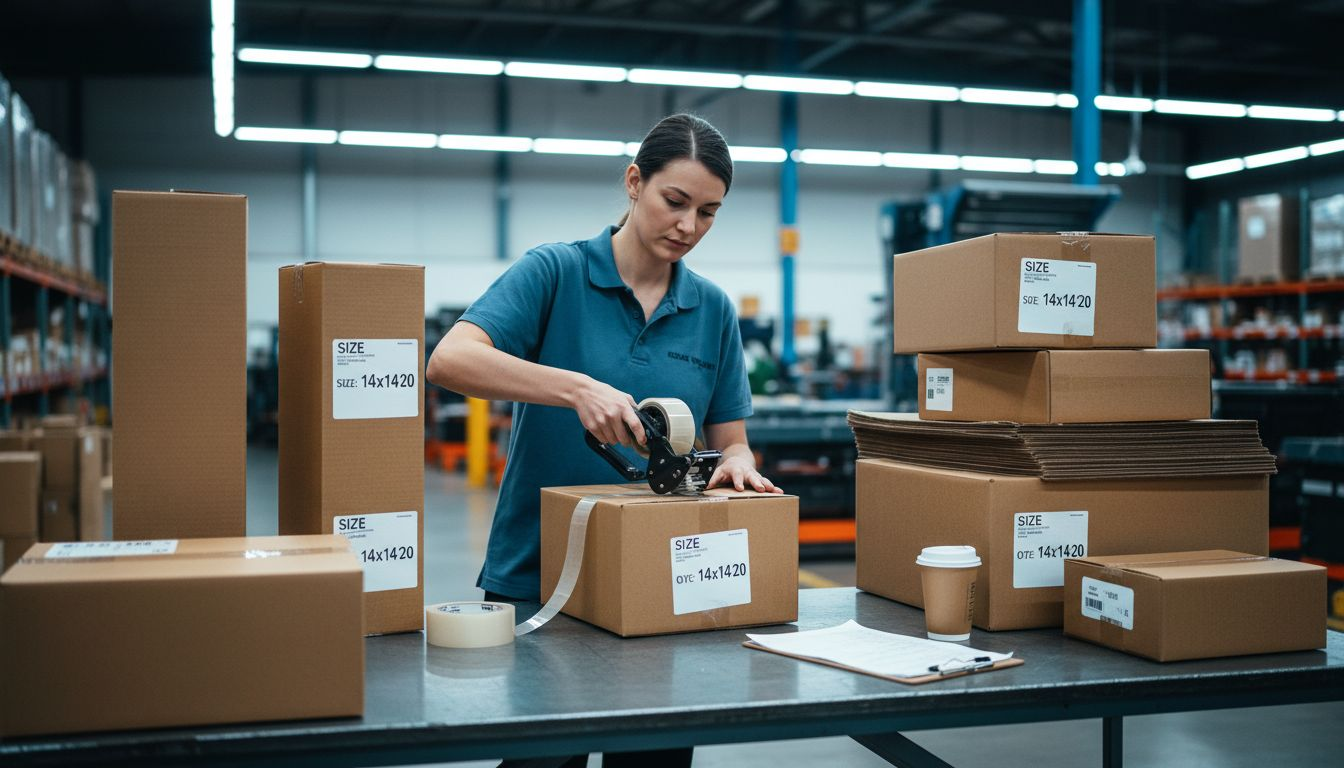
Factor cost implications when adding complex design features. Balance aesthetics with budget constraints to maintain profitability while achieving visual impact. Include tamper-evident options especially important for foodservice to enhance customer trust and safety. These features protect product integrity and demonstrate care for consumer wellbeing.
Compare the impact of standard versus custom sizing:
| Metric | Standard Sizing | Custom Sizing |
|---|---|---|
| Material waste | Baseline (100%) | 20-30% reduction |
| Cost per unit | Higher due to excess material | 15-25% lower |
| Brand differentiation | Limited | High impact |
| Environmental footprint | Standard | Significantly reduced |
Key considerations for size and style:
- Measure product dimensions precisely to specify optimal bag sizes
- Evaluate eco-friendly packaging options that match your product categories
- Choose turn top bags for retail merchandise or serrated top for easy access
- Add tamper-resistant seals for food products to ensure safety
- Test prototype sizes with actual products before finalizing specifications
Pro Tip: Use custom sizing benefits as a marketing point to show customers your commitment to reducing environmental footprint, turning sustainability into competitive advantage.
Step 3: printing and customization techniques
Use water-based flexographic printing to reduce volatile organic compound (VOC) emissions by up to 80% compared to traditional solvent-based methods. This approach meets environmental regulations while delivering crisp, vibrant graphics that stand out on retail shelves. Employ up to 8-color flexo printing to achieve vibrant, differentiation-enhancing brand visuals that capture consumer attention.
Balance print complexity to avoid excess costs. High-color, complex designs can increase printing costs by up to 40%, so evaluate whether simpler designs achieve your brand goals effectively. Select eco-friendly, low-VOC inks for better environmental compliance and to appeal to consumers who scrutinize sustainability claims.
Printing best practices:
- Specify water-based inks in production orders to minimize environmental impact
- Work with printers offering 8-color flexo capabilities for custom printed kraft paper bags
- Integrate your brand’s colors and logos sharply with durable printing that withstands handling
- Test color accuracy on sample prints before full production runs
- Highlight sustainability certifications on printed packaging to engage eco-conscious consumers
- Partner with suppliers following sustainable printing practices for consistent quality
Matching ink choices to packaging material ensures optimal adhesion and longevity. Water-based inks work exceptionally well on kraft paper and recycled materials, maintaining vibrant colors throughout product lifecycle. Display your commitment to sustainability directly on packaging through clear eco-labels and certification marks.
Step 4: aligning packaging design with brand identity
Incorporate consistent brand colors and logos to ensure immediate recognition in retail environments. Brands that align packaging design see up to a 23% increase in consumer recognition and loyalty, making this alignment a powerful driver of repeat business. Use packaging as a brand touchpoint to tell your sustainability story and values clearly to customers.
Display certifications and eco-friendly claims prominently to build trust with eco-conscious shoppers. Transparency about materials, manufacturing processes, and environmental commitments resonates strongly with consumers who prioritize sustainable purchasing. Design packaging to encourage reuse or proper disposal to extend brand goodwill beyond the point of sale.
Brand alignment strategies:
- Maintain consistent color palettes across all packaging SKUs for instant recognition
- Position logos prominently on high-visibility surfaces
- Craft messaging that connects emotionally with consumers about environmental commitments
- Include QR codes linking to detailed sustainability information on your website
- Design packaging elements strategically to drive repeat purchases and brand loyalty
- Ensure visual consistency with other marketing materials and digital presence
Packaging serves as a silent salesperson on retail shelves. When design elements align with your overall brand identity, customers develop stronger emotional connections and confidence in purchase decisions. This alignment transforms packaging from mere product protection into a strategic marketing asset that differentiates you from competitors.
Step 5: manufacturing and quality assurance
Plan for typical manufacturing lead times of 4 to 6 weeks with domestic suppliers, which enables efficient turnaround compared to overseas production. Choose North American manufacturers to reduce carbon footprint and shipping delays while supporting local economies. Implement quality assurance protocols that guarantee durability, consistency, and compliance with sustainability standards throughout production.
Coordinate logistics to streamline supply chain management and inventory forecasting. Engage with manufacturers offering prototyping and iterative feedback services to reduce errors. Follow these manufacturing steps:
- Submit final designs and specifications to your chosen manufacturer
- Review pre-production samples to verify colors, dimensions, and print quality
- Approve samples and authorize full production runs
- Monitor production milestones through manufacturer communication channels
- Conduct incoming quality assurance inspections on delivered goods
- Implement feedback loops to continuously improve future orders
Follow checklists for final design compliance before mass production to avoid costly recalls or redesigns. Verify that all sustainability certifications are current and properly documented. Confirm that printing specifications match approved samples exactly. Test structural integrity under realistic handling conditions to ensure packaging performs as expected in retail environments.
Domestic production offers significant advantages beyond sustainability. Shorter shipping distances mean fresher inventory and ability to respond quickly to market demands. Communication across time zones becomes simpler, and you can visit production facilities to build stronger partnerships with manufacturers.
Common mistakes and troubleshooting
Avoid sourcing uncertified materials that can raise waste disposal costs and damage brand reputation among environmentally conscious consumers. Limit use of overly complex or high-color print designs to control costs and maintain profitability, especially when starting new product lines. Test prototypes thoroughly to prevent costly iteration errors and product mismatches that delay market entry.
Incorporate tamper-resistant features especially in foodservice packaging to ensure safety and regulatory compliance. Balance aesthetics with functionality to ensure packaging meets operational needs and customer expectations simultaneously. Common pitfalls include:
- Selecting materials without verified sustainability certifications or documentation
- Designing packaging sizes that don’t match actual product dimensions
- Specifying print designs that exceed budget constraints without clear ROI
- Skipping physical prototype testing in favor of digital mockups alone
- Ignoring supply chain lead times when planning product launches
- Overlooking quality assurance steps that catch defects before distribution
When issues arise, address them systematically. If packaging arrives with print quality problems, document defects with photos and work with manufacturers to identify root causes. If sizing doesn’t fit products properly, measure discrepancies precisely and revise specifications for reorders. Build contingency time into launch schedules to accommodate potential manufacturing adjustments without missing critical retail deadlines.
Expected results and outcomes
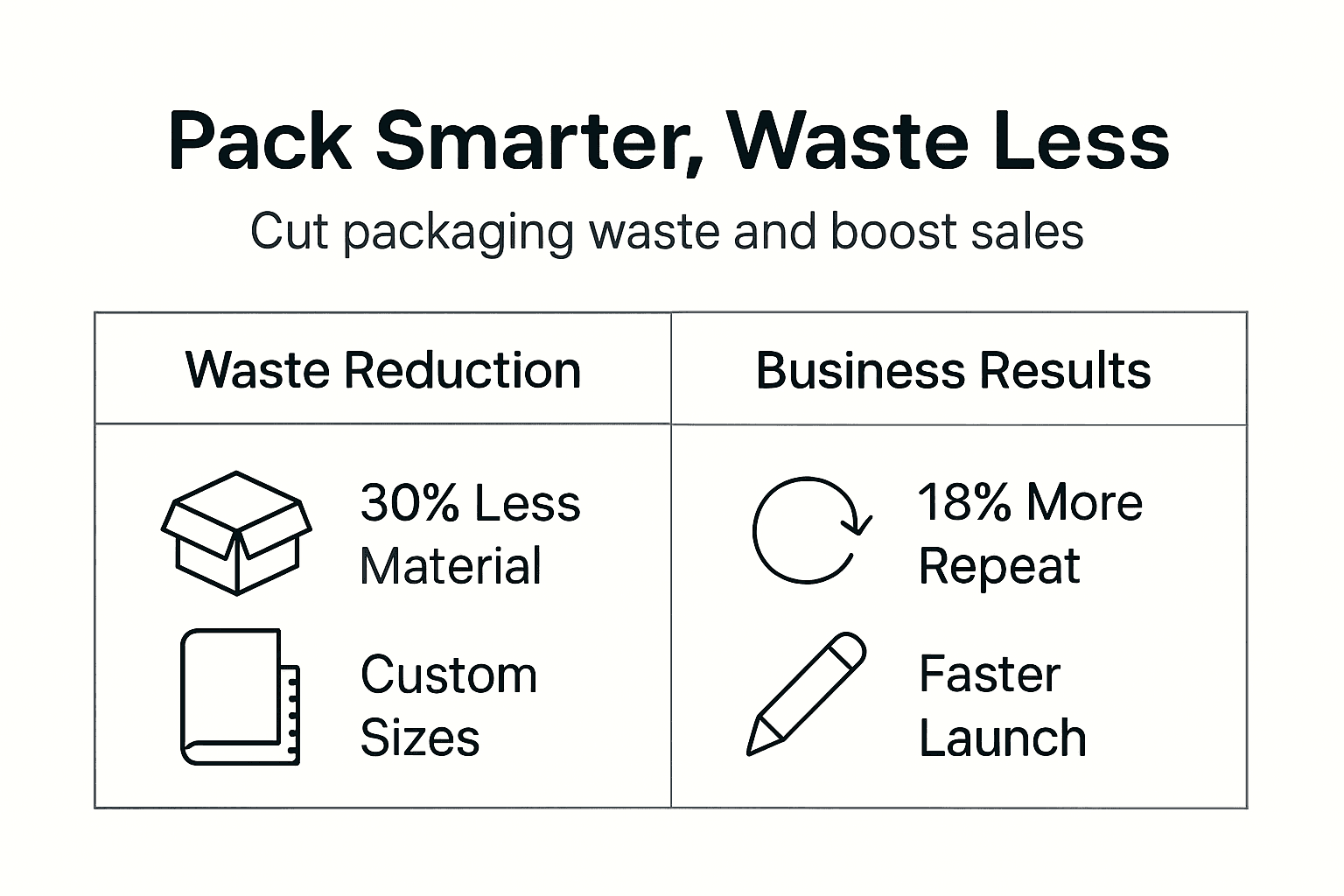
Sustainable packaging design can increase repeat customer purchases by 18% as consumers reward brands demonstrating environmental responsibility. Custom-sized packaging reduces material waste by 20-30%, saving costs and environmental impact simultaneously. Aligned brand packaging improves recognition and loyalty by approximately 23%, translating to stronger market position.
Prototyping services can shorten design iteration cycles by 30%, accelerating time-to-market and enabling faster response to consumer trends. Using outcome metrics helps validate packaging strategy and supports continuous improvement across product lines.
Key performance indicators:
| Outcome | Expected Improvement | Business Impact |
|---|---|---|
| Repeat purchases | 18% increase | Higher customer lifetime value |
| Material waste reduction | 20-30% decrease | Lower costs and environmental footprint |
| Brand recognition | 23% improvement | Stronger market differentiation |
| Design iteration time | 30% reduction | Faster product launches |
| Customer satisfaction | 15-20% increase | Positive reviews and referrals |
Track these metrics consistently to measure ROI on packaging investments. Survey customers about packaging preferences and sustainability perceptions. Monitor material costs over time to quantify waste reduction savings. Compare sales velocity before and after packaging redesigns to isolate impact.
Successful packaging design creates tangible business value. Reduced material waste directly improves margins. Enhanced brand recognition drives organic growth through word-of-mouth. Faster time-to-market captures emerging opportunities. Together, these outcomes justify the investment in thoughtful, sustainable packaging design.
Explore eco-friendly packaging solutions at Gather Packaging
You’ve learned how sustainable packaging design drives measurable results. Now discover certified sustainable and customizable packaging options tailored to your retail or foodservice brand. Choose from a wide range of eco-friendly paper bags made with FSC® certified or recycled materials that meet North American standards.
Benefit from domestic manufacturing with fast lead times and quality assurance protocols that ensure consistency. Explore custom printed kraft paper bags with up to 8-color flexo printing to align packaging with your unique brand identity. Partner with Gather Packaging for end-to-end support from design through delivery, backed by over a century of combined manufacturing experience. Get started with Canadian made paper bags that reduce carbon footprint while delivering exceptional quality.
Frequently asked questions about designing retail packaging
What certifications should I look for when choosing sustainable packaging materials?
Look for FSC® certification, which ensures paper comes from responsibly managed forests, and verify recycled content percentages. Also check for biodegradability certifications and compliance with North American packaging standards to meet regulatory requirements.
How much can I reduce my packaging waste by customizing size?
Customizing packaging size to match product dimensions typically reduces material waste by 20-30% compared to standard sizes. This translates to lower costs and a smaller environmental footprint while improving product fit.
Are water-based inks suitable for all types of retail packaging?
Water-based inks work excellently on kraft paper and recycled materials, reducing VOC emissions by up to 80%. They deliver vibrant colors and durability for most retail applications, though extremely high-gloss effects may require alternative methods.
How long does domestic production usually take for custom packaging?
Domestic manufacturers typically require 4 to 6 weeks for custom packaging orders from design approval to delivery. This timeline includes prototyping, production, and quality assurance, offering faster turnaround than overseas options.
What are key mistakes to avoid when designing foodservice packaging?
Avoid skipping tamper-resistant features that ensure safety, using uncertified materials that raise compliance risks, and neglecting prototype testing. Also ensure sizing matches actual products and budget accounts for necessary print complexity.
Recommended
- Domestic Paper Shopping Bags Manufacturer | Gather Packaging – Gatherpackaging
- Compostable, Recycled, Eco & Environmentally Friendly Paper Bags | Gather Packaging – Gatherpackaging
- Canadian-Made Paper Bags | Gather Packaging – Gatherpackaging
- Canadian-Made Paper Bags | Gather Packaging – Gatherpackaging
Share:
Why paper bags beat plastic: 61% fewer emissions in 2026
Choose the right paper bags for retail & foodservice in 2026