

Most business owners think packaging innovation means a prettier box or a lower cost supplier. That’s like saying the internet is just faster mail. True packaging innovation in 2026 combines smart packaging technologies, sustainable materials, and regulatory compliance to transform how products protect goods, engage consumers, and reduce environmental impact. This guide reveals what modern packaging innovation actually delivers for retail and foodservice brands navigating sustainability mandates and consumer expectations.
Table of Contents
- Understanding Packaging Innovation: Beyond The Basics
- Sustainable Packaging Innovations Shaping Retail And Foodservice
- Connected Packaging: The Technology Transforming Consumer Experience And Recycling
- Environmental Impact And Regulatory Compliance For Packaging Innovation
- Explore Innovative Sustainable Packaging Solutions With Gather Packaging
- What Is Packaging Innovation? Frequently Asked Questions
Key takeaways
| Point | Details |
|---|---|
| Packaging innovation integrates sustainability, smart technology, and regulatory compliance | Modern packaging goes beyond aesthetics to include biodegradable materials, sensors, blockchain tracking, and compliance with 2030 EU and UK regulations. |
| Connected and smart packaging enhance product lifecycle and consumer interaction | IoT-enabled packaging provides transparency, tracks freshness, and can sort materials with nearly 100% purity at 5 tons/hour. |
| Sustainable packaging solutions face trade-offs between environmental impact and product protection | Materials like moulded fiber and biopolymers reduce plastic waste but may offer different barrier properties affecting shelf life. |
| Regulations like EU PPWR mandate recyclable or reusable packaging by 2030 | Compliance deadlines are approaching, requiring businesses to adopt recyclable or reusable solutions soon. |
| Choosing innovative packaging strengthens your brand and reduces environmental footprint | Strategic packaging decisions enhance consumer trust while meeting sustainability goals and regulatory requirements. |
Understanding packaging innovation: Beyond the basics
Packaging innovation represents a fundamental shift from passive containment to active systems that enhance products, engage consumers, and minimize environmental harm. It’s the intersection of sustainability, technology, functionality, and branding working together to solve real business challenges.
Smart packaging technologies now include biodegradable polymers that break down naturally, sensors that monitor freshness or temperature, blockchain systems that verify authenticity, and IoT integration that connects physical products to digital experiences. These aren’t futuristic concepts. They’re operational solutions retailers and foodservice operators use today to differentiate their brands and meet consumer demands for transparency.
Connected packaging creates unprecedented transparency throughout the supply chain. Consumers scan QR codes to verify sourcing, check expiration dates with embedded sensors, or access recipes and usage tips. Brands gain real-time data on product movement, consumer engagement patterns, and recycling behaviors that inform future decisions.
The regulatory landscape accelerates innovation adoption. The EU’s Packaging and Packaging Waste Regulation (PPWR) and the UK’s Extended Producer Responsibility (EPR) mandate recyclable or reusable packaging by 2030, fundamentally changing how businesses approach packaging procurement. Compliance isn’t optional, making innovation a competitive necessity rather than a nice-to-have feature.
Packaging lifecycle considerations now dominate strategic planning. Every material choice affects energy consumption during production, transportation efficiency, product protection during distribution, consumer experience at point of use, and end-of-life disposal or recycling potential. Understanding these factors helps you design retail packaging that balances brand goals with environmental responsibility.
Key components of modern packaging innovation:
- Biodegradable and compostable materials that fit into existing waste streams
- Smart sensors and indicators for freshness, temperature, and tampering
- Blockchain authentication for supply chain transparency and anti-counterfeiting
- IoT integration connecting physical packaging to digital brand experiences
- Design optimization reducing material use without compromising protection
Pro Tip: Start your packaging innovation journey by identifying your biggest pain point. Is it regulatory compliance, consumer trust, waste reduction, or supply chain visibility? Focusing innovation efforts on your primary challenge delivers faster ROI and clearer success metrics than trying to solve everything simultaneously.
Sustainable packaging innovations shaping retail and foodservice
Sustainable packaging materials have evolved beyond simple recycled content to sophisticated solutions addressing specific industry needs. Moulded fiber packaging uses agricultural waste and recycled paper to create protective containers that compost naturally, fitting seamlessly into municipal composting programs while reducing plastic waste in foodservice applications.
Biopolymers and biodegradable films offer alternatives to petroleum-based plastics in food packaging. These materials break down through biological processes, addressing consumer concerns about persistent plastic pollution. The challenge lies in matching conventional plastic’s barrier properties, particularly for products requiring extended shelf life or moisture protection.
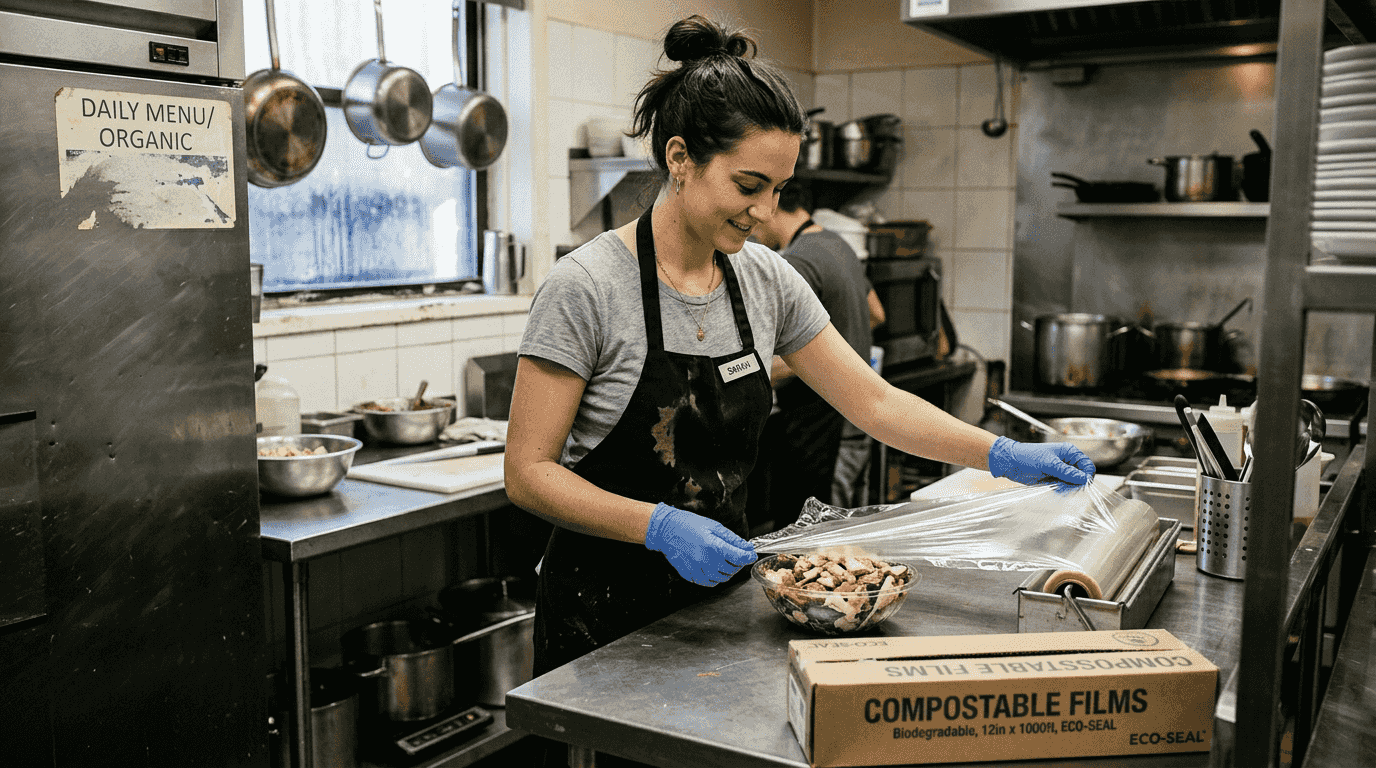
Trade-offs between sustainability and functionality require careful evaluation. A package that perfectly protects your product but never biodegrades creates waste. A compostable package that allows spoilage wastes the product inside, potentially creating greater environmental harm than the packaging itself. Lifecycle assessments help navigate these complex decisions by quantifying total environmental impact across all stages.
Market trends show accelerating adoption driven by consumer preference and regulatory pressure. Foodservice operators switching to fiber-based containers report positive customer feedback and differentiation from competitors still using plastic. Retail brands highlight sustainable packaging in marketing, converting environmental responsibility into competitive advantage.
Comparison of sustainable versus conventional packaging:
| Attribute | Sustainable Packaging | Conventional Plastic |
|---|---|---|
| Primary Materials | Recycled paper, agricultural waste, biopolymers | Petroleum-based polymers |
| Recyclability | High (paper-based), Compostable (biopolymers) | Limited, requires specialized facilities |
| Moisture Barrier | Moderate, improving with coatings | Excellent |
| Cost (per unit) | 15-30% higher initially | Lower due to established supply chains |
| Consumer Perception | Positive, aligns with values | Increasingly negative |
| Regulatory Compliance | Meets 2026+ mandates | Faces restrictions and taxes |
Sustainable packaging categories to consider:
- Moulded fiber for protective packaging and foodservice containers
- FSC-certified paper bags with water-based inks for retail
- Biopolymer films for product windows and moisture protection
- Compostable coatings enhancing paper barrier properties
- Recycled content materials reducing virgin resource extraction
Integrating sustainable packaging into existing operations requires supplier partnerships, staff training, and customer communication. Food-safe packaging must meet health standards while delivering environmental benefits, requiring careful material selection and testing.
Pro Tip: Request lifecycle assessment data from packaging suppliers before switching materials. The most sustainable choice depends on your specific use case, transportation distances, and available recycling infrastructure in your operating regions. What works perfectly in one market may underperform elsewhere.
Connected packaging: The technology transforming consumer experience and recycling
Connected packaging leverages digital technology to create interactive experiences and solve practical problems throughout the product lifecycle. Unlike traditional packaging that becomes waste after purchase, connected solutions continue delivering value through information access, authentication, and recycling optimization.
AI-powered sorting systems identify packaging materials with precision impossible for human sorters, processing 5 tons per hour of mixed plastic with nearly 100% purity. This technology dramatically improves recycling economics by producing higher-quality recycled materials that command better prices and compete effectively with virgin materials.
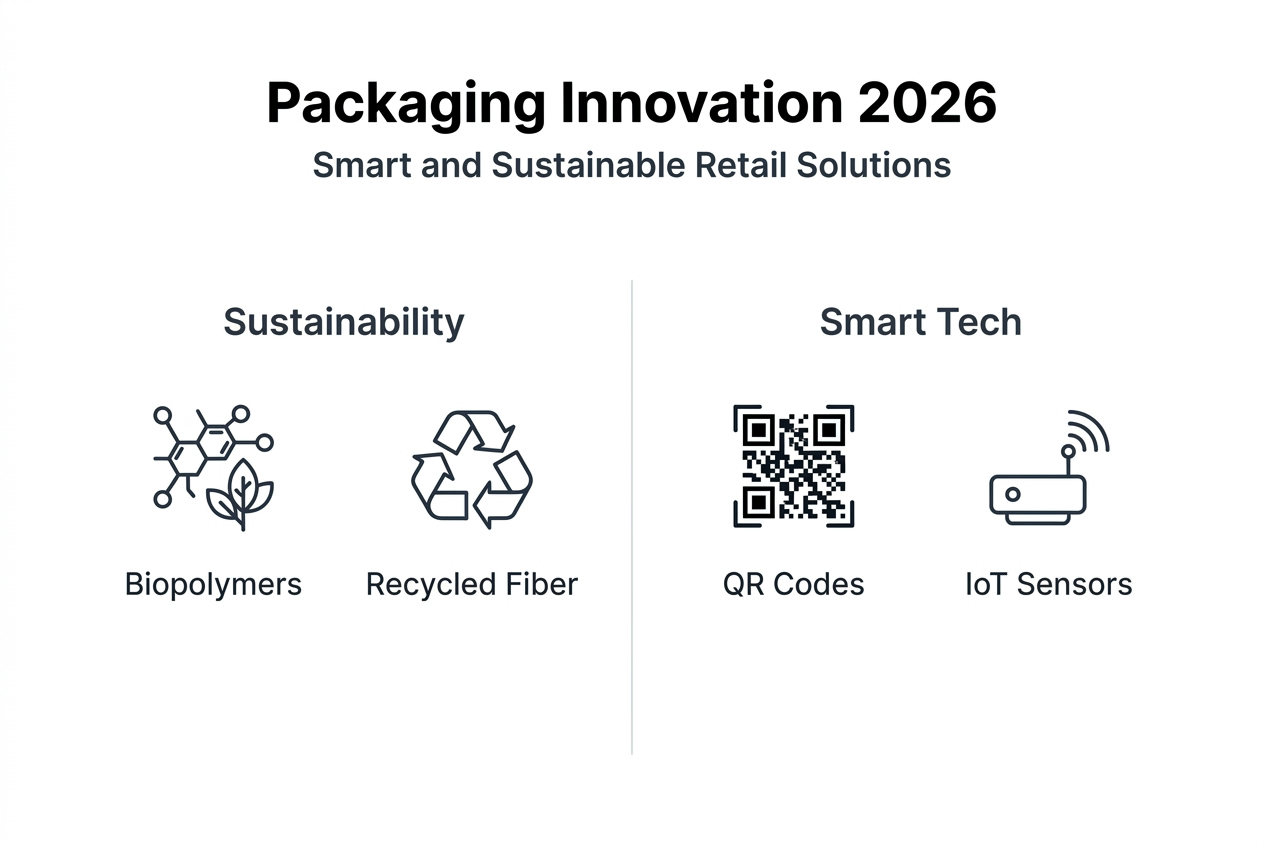
Blockchain integration creates tamper-proof supply chain records, essential for premium products where authenticity drives value. Consumers verify product origin, manufacturing date, and handling conditions by scanning packaging codes. Brands gain data on secondary market activity and potential counterfeiting attempts, protecting brand equity and consumer safety.
IoT sensors embedded in packaging monitor environmental conditions, product freshness, and handling throughout distribution. Temperature-sensitive products trigger alerts if cold chain breaks occur. Freshness indicators change color as products approach expiration, reducing food waste by providing clear visual cues beyond printed dates.
Consumer engagement through connected packaging builds relationships extending beyond the initial purchase. Recipe suggestions, usage tutorials, and sustainability information accessible via QR codes transform packaging into a marketing channel. Brands collect preference data and feedback, informing product development and marketing strategies.
Connected packaging versus traditional packaging:
| Feature | Connected Packaging | Traditional Packaging |
|---|---|---|
| Consumer Interaction | Ongoing through digital touchpoints | Ends after purchase |
| Authenticity Verification | Blockchain-verified provenance | Visual inspection only |
| Recycling Accuracy | AI sorting with 98%+ accuracy | Manual sorting, 60-70% accuracy |
| Data Collection | Real-time usage and engagement metrics | Limited to point-of-sale data |
| Implementation Cost | Higher initial investment | Lower upfront costs |
| Brand Differentiation | Strong, technology-forward positioning | Relies on visual design |
Benefits driving connected packaging adoption:
- Enhanced consumer trust through supply chain transparency
- Reduced counterfeiting protecting brand value and consumer safety
- Improved recycling rates with precise material identification
- Direct consumer engagement channel for marketing and feedback
- Real-time inventory and distribution tracking reducing losses
Integrating connected technology requires aligning features with brand goals and customer needs. Adding QR codes without meaningful content behind them disappoints consumers and wastes opportunity. Focus on solving real problems like verifying organic claims, providing usage instructions, or simplifying recycling decisions.
Choosing the right paper bags now includes evaluating options for QR codes, NFC tags, or printed digital triggers that activate smartphone experiences. These additions cost little but deliver significant engagement value when executed thoughtfully.
Pro Tip: Start connected packaging initiatives with a pilot program on a single product line or market. Measure engagement rates, consumer feedback, and operational impacts before scaling. This approach minimizes risk while generating data to optimize features and justify broader investment.
Environmental impact and regulatory compliance for packaging innovation
Packaging typically represents about 10% of a food product’s total energy footprint, making it a meaningful but not dominant factor in overall environmental impact. This percentage guides strategic thinking by showing where packaging improvements deliver real benefits versus where product sourcing or transportation changes matter more.
Lifecycle assessments evaluate environmental impact across raw material extraction, manufacturing, transportation, use, and end-of-life disposal or recycling. These analyses reveal counterintuitive results, like cases where heavier packaging reduces total impact by preventing product damage during shipping, or where local manufacturing offsets material differences through reduced transportation emissions.
Recyclability and end-of-life strategies increasingly dominate packaging decisions as regulations mandate specific outcomes. The EU’s PPWR and UK’s EPR create clear targets and timelines, forcing businesses to adopt circular economy principles in packaging procurement. Companies that delay face compliance costs, potential fines, and competitive disadvantages.
Understanding regulatory requirements helps businesses plan transitions and avoid last-minute scrambles. The deadlines are approaching faster than many realize, and supply chain changes take time to implement properly.
Key regulatory mandates and compliance deadlines:
| Regulation | Jurisdiction | Key Requirement | Deadline | Business Implication |
|---|---|---|---|---|
| PPWR | European Union | All packaging recyclable or reusable | 2030 | Redesign non-compliant packaging by 2028 |
| EPR | United Kingdom | Producer responsibility for end-of-life costs | 2030 | Budget for disposal/recycling fees |
| Plastic Tax | UK | Tax on plastic packaging under 30% recycled content | Active 2026 | Switch to higher recycled content or alternatives |
| Single-Use Plastics Directive | EU | Ban on specific single-use plastic items | Active 2026 | Eliminate banned items from operations |
Meeting sustainability regulations while maintaining product protection and brand presentation requires strategic planning and supplier partnerships. Paper bags with lower emissions than plastic alternatives help foodservice and retail businesses achieve compliance while supporting marketing messages about environmental responsibility.
Best practices for regulatory compliance and sustainability:
- Conduct annual packaging audits evaluating materials against upcoming requirements
- Establish supplier relationships with manufacturers prioritizing sustainability and compliance
- Test alternative materials early, allowing time for customer feedback and adjustments
- Communicate packaging changes to customers, converting compliance into marketing advantage
- Track regulatory updates in all operating markets, as requirements vary by jurisdiction
- Document lifecycle assessments and compliance efforts for regulatory reporting
Proactive compliance planning transforms regulatory requirements from burdens into opportunities. Brands that lead sustainability transitions build consumer trust and competitive differentiation, while companies forced into last-minute changes face higher costs and operational disruptions.
Balancing environmental goals with practical business needs requires honest assessment of trade-offs. Perfect sustainability rarely exists; the goal is continuous improvement and transparent communication about your journey and challenges.
Explore innovative sustainable packaging solutions with Gather Packaging
Your packaging choices directly impact your brand perception, environmental footprint, and regulatory compliance. Making informed decisions requires a supplier partner who understands both the technical requirements and the strategic brand implications.
Gather Packaging delivers eco-friendly paper bags manufactured domestically in Toronto, combining quick turnaround with sustainability credentials including FSC-certified materials, recycled content, and water-based inks. Our solutions meet 2026 regulatory requirements while supporting your brand’s environmental commitments.
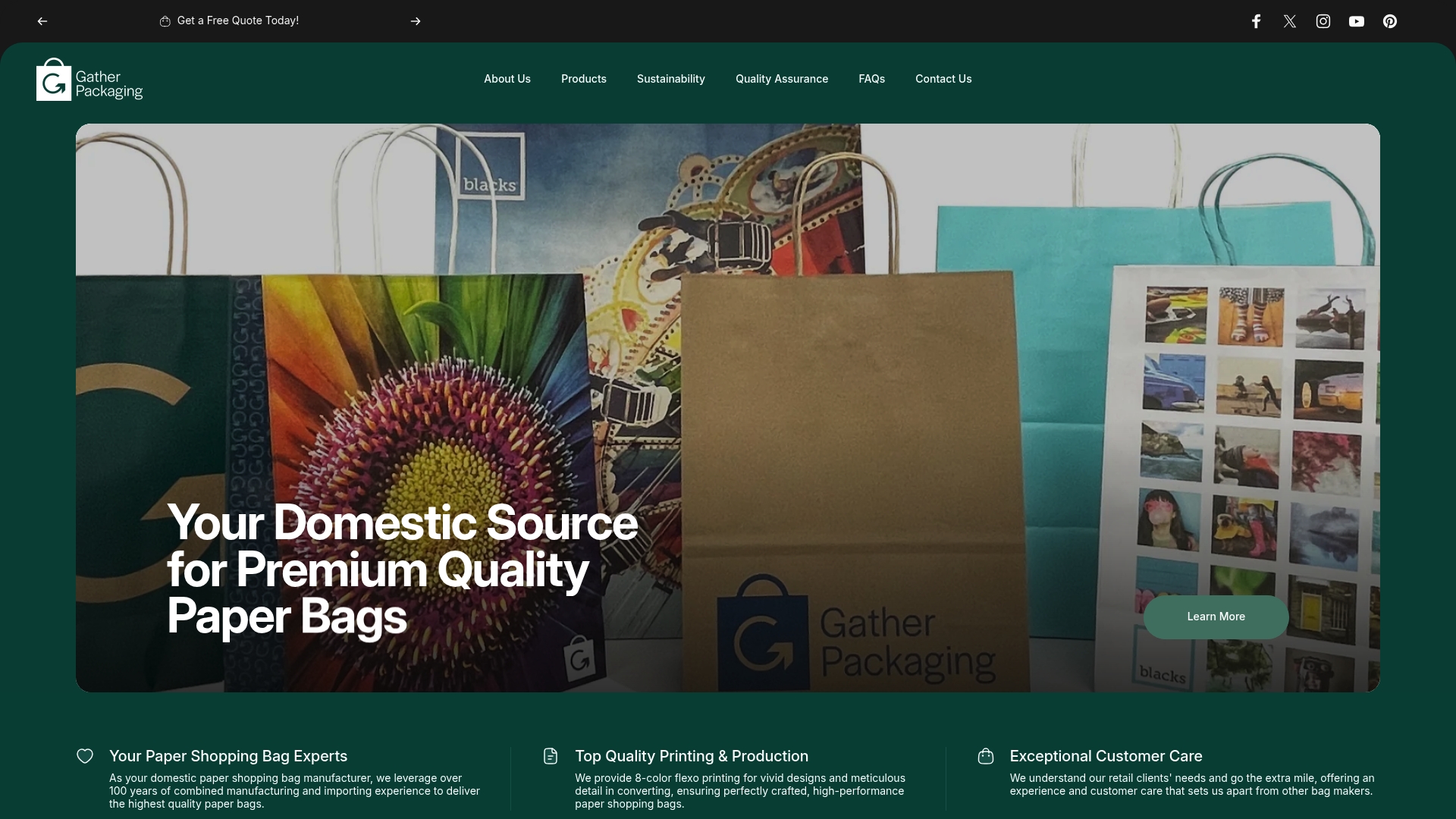
Our custom eco-friendly kraft paper bags offer vibrant 8-color flexo printing that makes your brand stand out while delivering the durability retail and foodservice operations demand. From turn top to tamper-resistant designs, we provide options that balance functionality with aesthetic appeal.
Explore Canadian made paper bags that reduce transportation emissions while ensuring consistent quality and reliable supply. Over a century of combined manufacturing experience means we understand the packaging challenges you face and deliver solutions that work in real-world operations.
Discover how innovative sustainable packaging elevates your brand and meets your customers’ expectations for environmental responsibility.
What is packaging innovation? Frequently asked questions
What exactly is packaging innovation in 2026?
Packaging innovation combines sustainable materials, smart technologies like sensors and blockchain, and designs optimized for recyclability while maintaining product protection. It goes beyond aesthetics to solve problems like supply chain transparency, waste reduction, and regulatory compliance while enhancing consumer engagement through digital integration.
What’s the difference between biodegradable, compostable, and recyclable packaging?
Biodegradable packaging breaks down through natural processes but may leave residues and lacks specific timeframes. Compostable packaging meets standards for breaking down completely in industrial composting facilities within defined periods. Recyclable packaging can be reprocessed into new materials through existing municipal or specialized recycling systems. Each category serves different needs and requires appropriate disposal infrastructure.
How do EU and UK packaging regulations affect my business?
If you operate in or export to the EU or UK, you must ensure all packaging is recyclable or reusable by 2030. This requires evaluating current packaging, testing alternatives, and potentially redesigning solutions by 2028 to allow transition time. Non-compliance risks fines, market access restrictions, and competitive disadvantages as environmentally conscious consumers favor compliant brands.
Can sustainable packaging really match conventional packaging performance?
Modern sustainable materials closely match conventional packaging performance for most applications. Paper-based solutions with advanced coatings provide moisture resistance suitable for foodservice and retail. Biopolymers offer clarity and flexibility approaching plastic films. Trade-offs exist in extreme conditions or extended shelf life requirements, but food-safe sustainable packaging handles typical retail and foodservice needs effectively while delivering environmental benefits.
How much does switching to innovative packaging cost?
Sustainable and connected packaging typically costs 15-30% more per unit initially compared to conventional options. However, total cost of ownership often improves through reduced regulatory compliance expenses, waste disposal savings, enhanced brand value, and consumer preference driving sales growth. Many businesses find the premium pays for itself through differentiation and customer loyalty, particularly as regulations make sustainable choices increasingly mandatory.
What’s the first step in adopting packaging innovation?
Start by auditing your current packaging against 2026 regulatory requirements and identifying your primary business challenge, whether it’s compliance, consumer trust, waste reduction, or supply chain visibility. Then engage suppliers who specialize in solutions addressing your specific need. Pilot test alternatives on limited product lines, gather customer feedback, and measure impacts before scaling. This approach minimizes risk while building organizational knowledge and stakeholder buy-in for broader changes.
Share:
What is reusable paper packaging? 2026 business guide
How packaging shapes customer experience and loyalty