

Packaging influences 70% of consumer purchasing decisions, yet many retail and foodservice brands underestimate its power to build lasting customer loyalty. In 2026, innovative and sustainable packaging solutions have become essential tools for shaping first impressions, reinforcing brand values, and creating memorable experiences. This guide reveals how strategic packaging choices can transform customer perceptions, boost satisfaction, and strengthen your competitive position in an increasingly eco-conscious marketplace.
Table of Contents
- Why Packaging Matters In Customer Experience
- How Packaging Materials And Design Influence Perception And Usability
- Innovations In Packaging Technology Enhancing Customer Engagement
- Challenges And Solutions In Sustainable Packaging Adoption
- Packaging Performance In Transit And Its Impact On Customer Satisfaction
- Explore Custom Sustainable Packaging Solutions
Key takeaways
| Point | Details |
|---|---|
| Premium packaging drives loyalty | Custom and sustainable packaging increases brand perception by 15% and strengthens customer retention |
| Material choices matter significantly | Packaging materials directly affect product preservation, usability, environmental impact, and willingness to pay |
| Technology enhances engagement | Interactive elements like QR codes and augmented reality boost customer interaction rates by 15-25% |
| Sustainable adoption faces barriers | Only 7% of businesses successfully implement eco-friendly systems despite growing consumer demand |
| Transit durability protects satisfaction | Packaging resilience during shipping prevents damage, reduces waste, and maintains customer trust |
Why packaging matters in customer experience
Your packaging creates the first physical touchpoint between your brand and customers. This initial interaction shapes perceptions of quality, value, and trustworthiness before customers even experience your product. When executed well, packaging becomes a powerful vehicle for storytelling and differentiation.
Research shows that 70% of consumers are more likely to purchase from brands with premium packaging, with a 15% increase in loyalty for sustainable packaging. These numbers reveal packaging’s direct impact on purchasing behavior and repeat business. Premium presentation signals quality and attention to detail, while sustainable materials demonstrate environmental responsibility.
Customers increasingly expect packaging to reflect their values. In 2026, eco-conscious consumers actively seek brands that prioritize sustainability without sacrificing functionality or aesthetics. Your packaging choices communicate whether you understand and respect these priorities.
Consider these critical factors:
- Visual appeal creates immediate emotional connections that influence purchase decisions
- Tactile experience reinforces perceived quality through material weight and texture
- Functional design affects ease of use and product protection
- Environmental messaging builds trust with values-driven consumers
The retail environment compounds packaging’s importance. When customers browse competing products side by side, your packaging must capture attention within seconds. Choosing the right paper bags for your specific application ensures your brand stands out while meeting functional requirements.
How packaging materials and design influence perception and usability
Material selection directly impacts how customers perceive your brand and interact with your products. The right materials preserve freshness, ensure food safety, and provide convenient handling. Poor choices lead to product damage, customer frustration, and brand reputation damage.

Consumers are willing to pay up to 10% more for sustainable packaging and rate food preservation packaging 20% higher in satisfaction. This willingness to pay premium prices for eco-friendly options creates competitive advantages for brands that invest in sustainable materials. The financial case strengthens when you factor in enhanced customer loyalty and positive word-of-mouth.
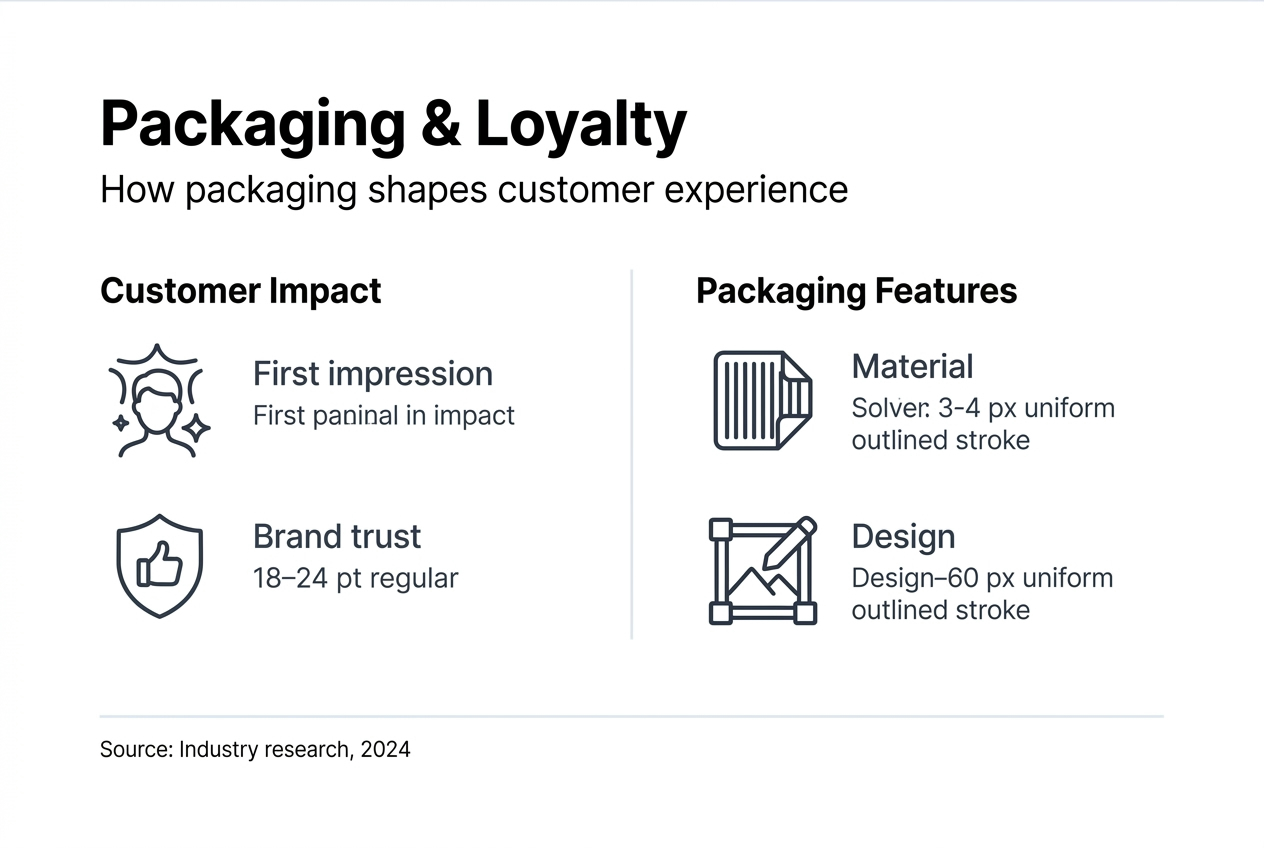
Design elements extend beyond aesthetics. Structural integrity, opening mechanisms, and carrying comfort all influence customer satisfaction. Well-designed packaging can increase sales by up to 30%, especially when communicating brand values clearly. Every design decision should balance visual impact with functional performance.
Compare material options strategically:
| Material Type | Sustainability | Durability | Customer Perception | Cost Consideration |
|---|---|---|---|---|
| FSC-certified paper | High | Moderate to high | Eco-conscious, premium | Moderate, declining |
| Recycled content bags | Very high | Moderate | Environmentally responsible | Competitive |
| Virgin paper with coatings | Low | High | Traditional, functional | Lower upfront |
| Biodegradable options | Very high | Moderate | Innovation leader | Premium, improving |
Food safety remains paramount for foodservice applications. Materials must prevent contamination, maintain temperature, and resist moisture or grease. Your food-safe packaging guide choices directly affect product quality and customer health.
Balancing cost with sustainability requires strategic thinking. While sustainable materials may carry higher upfront costs, they deliver long-term value through enhanced brand reputation, customer loyalty, and reduced environmental impact. Manufacturing advances continue reducing cost gaps.
Key design principles:
- Prioritize materials that align with your brand values and customer expectations
- Ensure structural integrity for product protection during handling and transit
- Integrate sustainability messaging naturally into visual design
- Test prototypes with real customers before full production
Pro Tip: Partner with manufacturers offering design assistance and prototyping services to optimize material choices before committing to large production runs, saving money and ensuring customer satisfaction.
The Sustainable Packaging Coalition provides valuable resources for evaluating material options and understanding industry best practices for reducing environmental impact while maintaining performance standards.
Innovations in packaging technology enhancing customer engagement
Technology transforms packaging from passive containers into interactive brand experiences. Smart packaging creates two-way conversations between brands and customers, extending engagement beyond the initial purchase. These innovations strengthen emotional connections and provide valuable customer insights.
QR codes offer the simplest entry point for interactive packaging. Customers scan codes to access recipes, usage tips, sustainability information, or loyalty rewards. This seamless bridge between physical products and digital content enriches the customer journey without adding significant cost.
Brands using AR packaging have seen a 15-25% increase in customer interaction rates. Augmented reality enables immersive storytelling by overlaying digital content onto physical packaging. Customers point smartphones at packages to view animated brand stories, product origins, or virtual try-on experiences.
Interactive elements provide multiple benefits:
- Direct customer engagement strengthens brand recall and emotional connection
- Digital content delivery reduces printed material needs, supporting sustainability goals
- Analytics from scans and interactions provide valuable customer behavior insights
- Personalized content based on location or purchase history enhances relevance
Sustainability messaging gains credibility through technology. QR codes linking to detailed supply chain transparency, carbon footprint calculations, or recycling instructions demonstrate authentic commitment. Customers increasingly demand this level of transparency when evaluating brand environmental claims.
Pro Tip: Start with QR codes linking to high-value content like exclusive recipes or sustainability stories, then expand to AR experiences as customer adoption grows and technology costs decline.
Canadian packaging manufacturers increasingly integrate technology-ready designs, enabling brands to adopt interactive features without completely redesigning packaging systems. This flexibility supports gradual innovation adoption.
Consider implementation carefully. Technology should enhance rather than complicate the customer experience. Ensure digital destinations load quickly, provide genuine value, and work seamlessly across devices. Poorly executed interactive elements frustrate customers and damage brand perception.
Forbes technology insights highlight how leading brands balance innovation with usability, creating packaging experiences that delight rather than confuse customers.
Challenges and solutions in sustainable packaging adoption
Sustainable packaging adoption faces significant barriers despite growing consumer demand and environmental urgency. Understanding these challenges enables brands to develop realistic implementation strategies that balance sustainability goals with business constraints.
Only 7% of businesses have successfully implemented eco-friendly packaging systems, and 50% of consumers consider sustainable choices costly. This gap between intention and execution reveals the complexity of sustainable packaging transformation. Cost perceptions remain the primary barrier, though manufacturing innovations continue narrowing price differences.
Manufacturing advances address functionality concerns. Machinery manufacturers optimize packaging layers and materials to enhance recyclability and reduce waste. Modern sustainable materials match or exceed conventional packaging performance while reducing environmental impact.
Compare adoption approaches:
| Approach | Implementation Speed | Cost Impact | Customer Perception | Long-term Value |
|---|---|---|---|---|
| Gradual material transition | Moderate | Lower initial investment | Steady improvement | Sustainable growth |
| Complete system overhaul | Fast | High upfront costs | Bold leadership signal | Rapid market differentiation |
| Hybrid conventional/sustainable | Slow | Minimal disruption | Confusing messaging | Limited competitive advantage |
| Partner with sustainable manufacturers | Moderate to fast | Shared investment | Expert-backed credibility | Strong foundations |
Greenwashing concerns complicate sustainability messaging. Customers increasingly scrutinize environmental claims, demanding verifiable data and certifications. Vague sustainability statements damage credibility and invite regulatory scrutiny.
Key implementation strategies:
- Prioritize certifications like FSC or third-party verified recycled content claims
- Provide transparent data on material sourcing and end-of-life disposal
- Partner with manufacturers offering proven sustainable production capabilities
- Educate customers on proper recycling or composting procedures
As one industry expert notes:
“Sustainable packaging success requires infrastructure investment, consumer education, and collaboration across the supply chain. Brands that commit to transparent, measurable sustainability goals will lead market transformation.”
Recycling infrastructure inconsistencies create additional challenges. Materials recyclable in some regions face landfill disposal elsewhere due to facility limitations. Brands must consider regional infrastructure when selecting sustainable materials.
Sustainable packaging solutions from experienced manufacturers help navigate these complexities. Expert partners provide material recommendations based on your distribution regions, ensuring packaging performs as intended throughout its lifecycle.
Eco-design strategies balance sustainability with functionality, proving that environmental responsibility and business success coexist when implemented strategically.
Packaging performance in transit and its impact on customer satisfaction
Packaging must protect products throughout complex supply chains involving multiple handling points, transportation modes, and environmental conditions. Transit damage undermines even the best products, creating negative customer experiences that damage brand reputation and increase costs through returns and replacements.
Poorly designed packaging causes damage during transit due to vibration, stacking pressure, and environmental factors, leading to complaints and waste. These failures result from inadequate testing under real-world conditions rather than controlled laboratory scenarios.
Physical stresses test packaging integrity constantly. Packages endure drops during loading and unloading, compression from stacking weight, and vibration during transportation. Materials and structural design must withstand these forces without compromising product protection or visual appeal.
Environmental factors compound physical challenges. Temperature fluctuations affect material properties, while humidity can weaken paper-based packaging. Successful designs account for worst-case environmental scenarios throughout distribution networks.
Critical design considerations:
- Material tensile strength must exceed maximum anticipated stacking weight
- Closure mechanisms must remain secure despite handling and vibration
- Moisture resistance protects contents without sacrificing recyclability
- Structural reinforcement targets high-stress areas like corners and handles
Customer expectations for product condition remain absolute. Damaged packaging signals poor quality control and carelessness, even when product contents remain intact. First impressions matter, and transit damage ruins carefully crafted brand experiences.
Transit performance directly affects sustainability goals. Packaging failures increase waste through damaged products requiring disposal and replacement shipments doubling transportation emissions. Durable packaging reduces environmental impact by ensuring single-trip success.
Testing protocols should simulate real distribution conditions. Drop tests, compression tests, and vibration analysis reveal weaknesses before products reach customers. Investment in proper testing prevents costly failures and protects brand reputation.
Balancing protection with material efficiency requires expertise. Over-engineering increases costs and environmental impact, while insufficient protection causes damage. Experienced manufacturers optimize designs for adequate protection with minimal material use.
Explore custom sustainable packaging solutions
The insights throughout this guide demonstrate packaging’s critical role in shaping customer experience and building lasting loyalty. Translating these principles into action requires partnering with manufacturers who understand both sustainability imperatives and business realities.
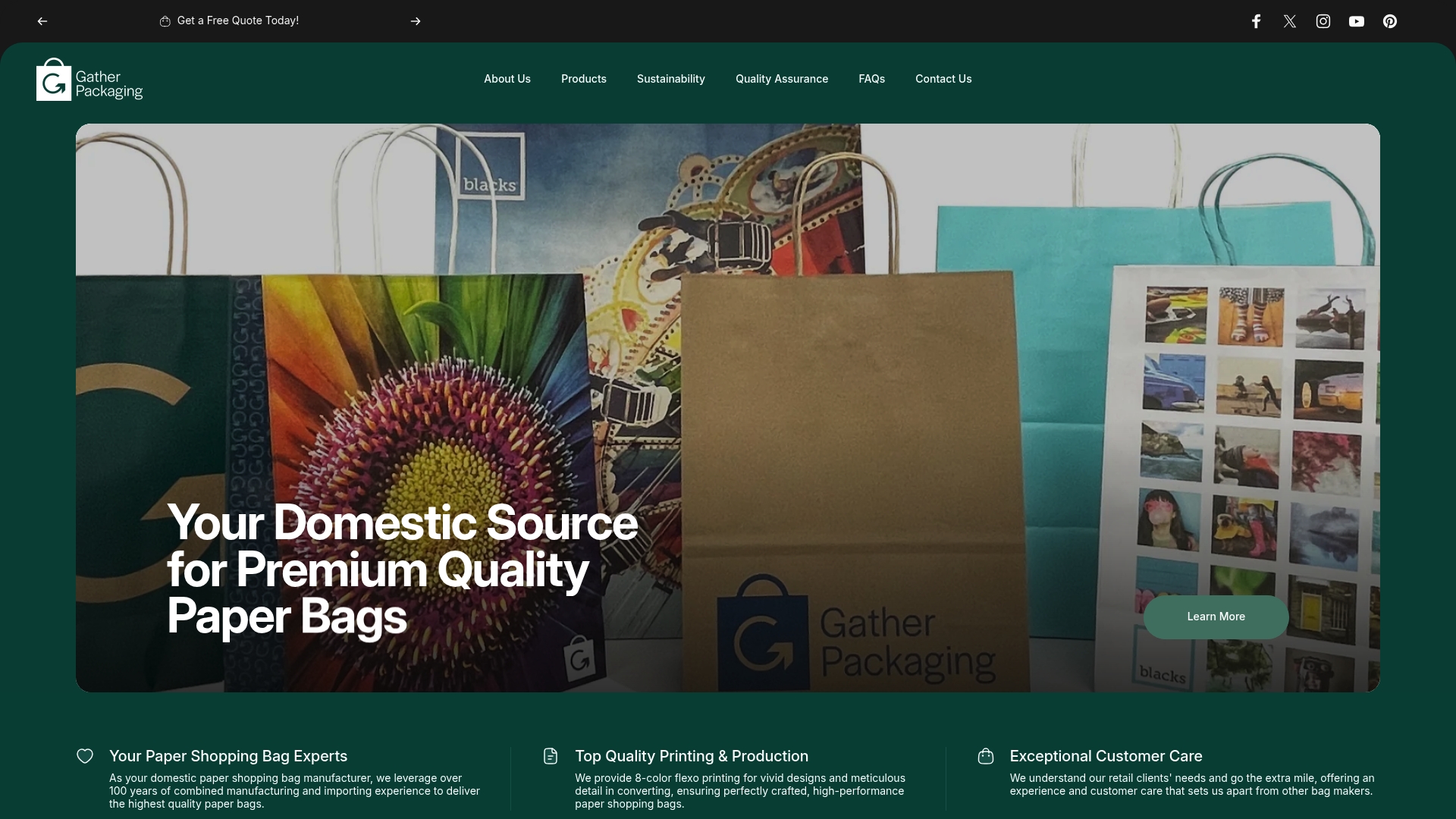
Gather Packaging specializes in domestic paper shopping bags designed specifically for retail and foodservice applications. Our century of combined manufacturing experience delivers practical solutions balancing eco-responsibility with premium presentation. We understand that packaging must perform flawlessly while reflecting your brand values.
Our eco-friendly packaging options include FSC-certified materials, recycled content, water-based inks, and biodegradable choices. Toronto-based manufacturing ensures quick turnaround, responsive service, and supply chain reliability. From design assistance through production and logistics, we support your complete packaging journey.
Explore our custom kraft paper bags featuring vibrant 8-color flexo printing, multiple closure styles, and full size customization. Whether you need turn top, serrated top, or tamper-resistant designs, we deliver packaging that enhances customer experience while advancing your sustainability goals.
Frequently asked questions
What makes packaging essential to customer experience?
Packaging creates the first physical brand interaction, shaping quality perceptions and purchase decisions. It communicates brand values, protects products, and influences satisfaction through functionality and aesthetics. Premium packaging increases purchase likelihood by 70% while sustainable options boost loyalty by 15%.
How can sustainable packaging build brand loyalty?
Eco-friendly packaging demonstrates environmental responsibility that resonates with values-driven consumers, particularly Millennials and Gen Z. Customers reward authentic sustainability commitments with increased loyalty, willingness to pay premium prices, and positive word-of-mouth recommendations. Sustainable packaging differentiates brands in competitive markets.
What are the key considerations when choosing packaging materials?
Prioritize food safety certifications, durability for transit conditions, and sustainability credentials like FSC certification or recycled content. Balance cost considerations with customer expectations and brand positioning. Test materials under real-world conditions before full production commitments.
How can brands leverage technology in packaging effectively?
Start with QR codes linking to valuable content like sustainability information, recipes, or loyalty programs. Consider augmented reality for immersive storytelling as technology adoption grows. Ensure digital experiences load quickly, provide genuine value, and work seamlessly across devices to avoid customer frustration.
Share:
What is packaging innovation? A 2026 guide for retail
What is sustainable packaging? 2026 guide for retail