

Many business leaders believe sustainable packaging simply means slapping a recycling symbol on a box or switching to biodegradable materials. The reality is far more nuanced. True sustainable packaging considers every stage from raw material sourcing through manufacturing, use, and disposal to minimize environmental impact while maintaining product protection and brand appeal. This guide clarifies what sustainable packaging actually means, explores materials and innovations shaping the industry in 2026, and provides actionable steps for retail and foodservice decision-makers ready to enhance their brand image through responsible packaging choices.
Table of Contents
- Understanding Sustainable Packaging And Its Importance
- Common Materials And Innovations In Sustainable Packaging
- How Sustainable Packaging Benefits Your Brand And Customer Loyalty
- Implementing Sustainable Packaging In Retail And Foodservice: Practical Steps
- Explore Gather Packaging’s Sustainable Solutions
Key takeaways
| Point | Details |
|---|---|
| Lifecycle approach | Sustainable packaging evaluates environmental impact from sourcing through disposal, not just recyclability. |
| Material innovation | Recycled paper, compostable plastics, and reusable designs offer diverse solutions for different business needs. |
| Brand differentiation | Eco-friendly packaging builds customer loyalty and meets growing regulatory requirements in 2026. |
| Design efficiency | Smart packaging design can reduce waste by 30% while improving customer experience and sales. |
| Local manufacturing | Canadian production supports sustainability goals through reduced transportation emissions and faster turnaround. |
Understanding sustainable packaging and its importance
Sustainable packaging involves materials, design, and lifecycle considerations to reduce environmental impact. It encompasses responsible sourcing of raw materials, efficient manufacturing processes, minimal resource consumption during use, and viable end-of-life options like recycling or composting. This holistic approach distinguishes genuine sustainability from superficial green marketing.
The importance extends beyond environmental ethics. Businesses face mounting pressure from consumers, investors, and regulators to demonstrate environmental responsibility. Sustainable packaging directly addresses carbon footprint reduction, waste minimization, and resource conservation. In 2026, these factors influence purchasing decisions across demographics, with younger consumers particularly scrutinizing brand environmental commitments.
Several myths persist in the packaging industry. Biodegradable materials sound eco-friendly, but if they require specific industrial composting facilities unavailable in most regions, they end up in landfills where they produce methane. Similarly, packaging labeled recyclable may not actually get recycled if local facilities lack the capability to process certain materials. Sustainable packaging requires matching material properties with available infrastructure.
Business benefits extend beyond compliance and conscience. Companies adopting sustainable packaging materials report stronger brand loyalty, particularly among environmentally conscious consumers who actively seek out responsible brands. Regulatory compliance becomes simpler as governments worldwide tighten packaging waste regulations. Operational efficiencies often emerge through lightweighting and material optimization, reducing shipping costs alongside environmental impact.
Pro Tip: Start by auditing your current packaging’s full lifecycle impact, including supplier practices, transportation distances, and local disposal infrastructure, before selecting replacement materials.
Common materials and innovations in sustainable packaging
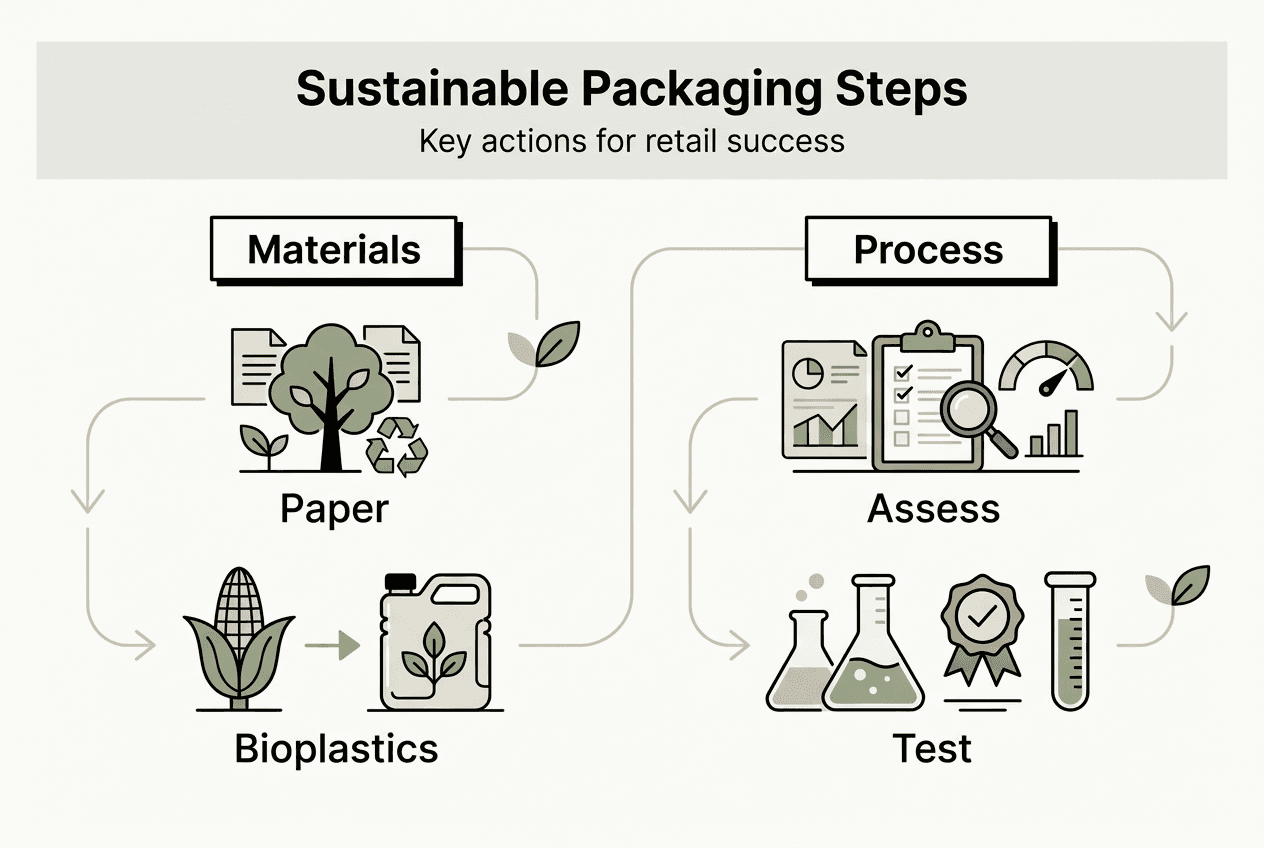
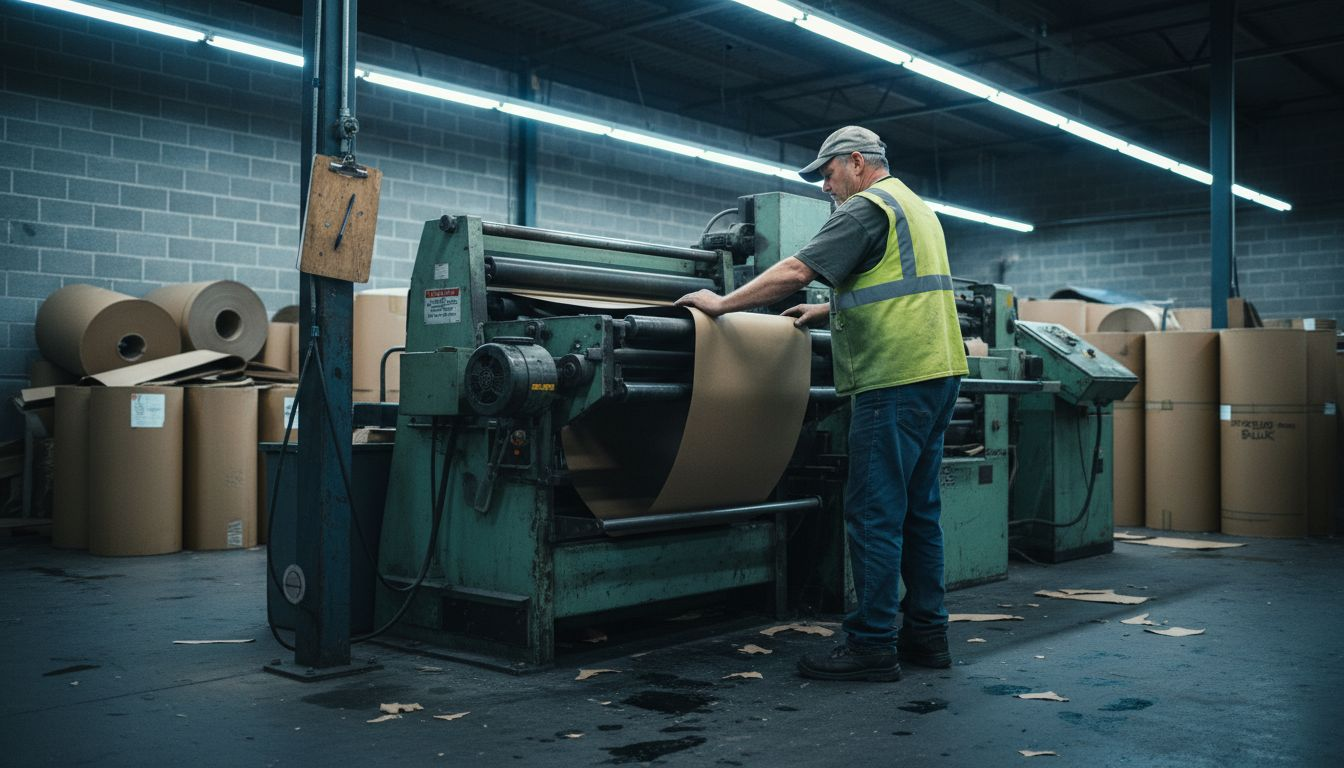
Paper-based packaging leads sustainable alternatives, particularly kraft paper and recycled content options. Virgin kraft paper sourced from responsibly managed forests offers strength and printability while remaining biodegradable. Recycled paper reduces demand for virgin pulp, though it may have slightly lower strength properties. Recycled paper bags produce 61% fewer emissions than plastic alternatives in 2026, making them an increasingly attractive choice for retailers.
Bioplastics derived from plant materials like corn starch or sugarcane represent another category. These materials can be engineered to biodegrade under specific conditions, though performance varies widely. Some bioplastics require industrial composting facilities, while others break down in home compost bins. Understanding the disposal requirements is critical before implementation.
Compostable packaging certified to standards like ASTM D6400 or EN 13432 guarantees breakdown within specific timeframes under defined conditions. These materials work well for foodservice applications where contamination with food waste makes recycling impractical. However, businesses must verify that customers have access to appropriate composting infrastructure, whether commercial or municipal.
Reusable packaging systems gain traction in certain sectors. Durable bags, containers, and wraps designed for multiple uses can dramatically reduce per-use environmental impact. The challenge lies in ensuring customers actually reuse items and in managing collection and cleaning logistics for closed-loop systems.
| Material Type | Environmental Impact | Cost Relative to Plastic | Best Applications |
|---|---|---|---|
| Recycled Paper | 61% lower emissions | Moderate premium | Retail shopping bags, dry goods |
| Virgin Kraft | Renewable, biodegradable | Slight premium | Premium retail, gift packaging |
| Compostable Bioplastic | Breaks down in facilities | Higher premium | Foodservice with composting access |
| Reusable Fabric | Lowest per-use impact | High initial cost | Long-term customer programs |
Innovations in sustainable packaging continue accelerating. Custom printing technology now allows vibrant, detailed designs on eco-friendly kraft paper bags using water-based inks that don’t compromise recyclability. Multi-use designs incorporate features like reinforced handles or resealable closures that encourage customers to repurpose bags. Lightweighting techniques reduce material usage without sacrificing strength, cutting both costs and environmental impact.
Canadian manufacturing offers distinct advantages for North American businesses pursuing sustainability. Domestic production through facilities in Toronto dramatically reduces transportation emissions compared to overseas sourcing. Shorter supply chains mean faster turnaround times and greater flexibility for customization. Additionally, Canadian environmental and labor standards ensure responsible production practices throughout manufacturing.
Pro Tip: Request material samples and conduct real-world testing with your products before committing to large orders, as performance can vary significantly between sustainable material options.
Consider examples of eco packaging materials across different industries to spark ideas for your specific application. Cross-industry inspiration often reveals innovative solutions applicable to retail and foodservice contexts.
How sustainable packaging benefits your brand and customer loyalty
Sustainable packaging enhances customer loyalty by aligning with environmental values and improving user experience. When customers perceive a brand as environmentally responsible, they develop stronger emotional connections that translate into repeat purchases and positive word-of-mouth marketing. This effect intensifies as environmental awareness grows across consumer segments in 2026.
Brand differentiation becomes increasingly critical in crowded markets. Sustainable packaging provides a tangible, visible commitment to environmental responsibility that competitors using conventional packaging cannot match. Premium retailers particularly benefit from this differentiation, as eco-friendly packaging reinforces quality positioning and justifies higher price points.
Customer expectations have shifted dramatically. Research consistently shows consumers, especially those under 40, actively seek brands demonstrating environmental stewardship. They scrutinize packaging materials, question sourcing practices, and share their findings on social media. Brands meeting these expectations gain advocates, while those falling short face public criticism and lost sales.
The loyalty improvements extend beyond environmental alignment. Well-designed sustainable packaging often provides superior user experience through features like:
- Reinforced handles and quality construction that customers appreciate and reuse
- Attractive designs using water-based inks that customers proudly carry as mobile brand advertisements
- Functional features like flat bottoms or wide openings that improve usability
- Texture and weight that communicate quality and care in product presentation
Canadian manufacturing strengthens sustainability credibility by demonstrating commitment to domestic production and reduced transportation impact. When brands can truthfully claim their packaging comes from Canadian packaging manufacturers, it resonates with consumers who value local production and transparent supply chains. This authenticity matters increasingly as consumers become more sophisticated in detecting greenwashing.
The packaging impact on customer loyalty manifests in measurable metrics. Brands report higher customer retention rates, increased average order values, and stronger social media engagement after switching to sustainable packaging. The packaging becomes part of the product experience, not just a disposable container.
Sustainable packaging also supports employee engagement and recruitment. Staff members, particularly younger workers, prefer employers whose values align with their own. Visible sustainability commitments like eco-friendly packaging demonstrate corporate responsibility in ways employees can easily explain to friends and family, strengthening workplace pride and retention.
Implementing sustainable packaging in retail and foodservice: practical steps
Successful implementation begins with honest assessment of current packaging impact. Calculate the full lifecycle footprint including material extraction, manufacturing energy, transportation distances, and end-of-life disposal. This baseline measurement reveals opportunities for improvement and provides metrics for tracking progress.
- Audit existing packaging across all product lines, documenting materials, weights, and disposal methods
- Research available sustainable alternatives that match your functional requirements for protection, presentation, and handling
- Evaluate local disposal infrastructure to ensure chosen materials have viable end-of-life pathways in your primary markets
- Set specific, measurable sustainability goals with timelines, such as reducing packaging weight by 20% or achieving 80% recycled content by year end
- Engage manufacturers early to discuss custom solutions, material options, and minimum order quantities
- Conduct small-scale testing with focus groups to gather customer feedback before full rollout
- Train staff on new packaging features and sustainability benefits so they can communicate value to customers
- Monitor performance metrics including waste reduction, customer feedback, and sales impact to refine your approach
Material selection requires balancing multiple factors. Cost considerations include not just unit price but also shipping weight, storage requirements, and potential waste disposal fees. Performance needs vary by product. Fragile items need protective cushioning, while premium goods demand attractive presentation. Environmental impact assessment should consider the full lifecycle, not just a single attribute like recyclability.
Collaboration with manufacturers transforms sustainable packaging from concept to reality. Experienced partners offer material expertise, design assistance, and production capabilities that in-house teams typically lack. Designing retail packaging to reduce waste requires specialized knowledge of material properties, printing techniques, and structural engineering. Manufacturers can prototype solutions, test durability, and optimize designs before committing to production runs.
Certification and compliance deserve careful attention, especially in foodservice. Food-safe packaging guidelines ensure materials don’t contaminate products or pose health risks. Look for certifications like FDA approval for food contact, FSC certification for responsibly sourced paper, and compostability standards like BPI certification. These third-party validations provide assurance and protect against liability.
| Implementation Phase | Timeline | Key Activities | Success Metrics |
|---|---|---|---|
| Assessment | 1-2 months | Audit current packaging, research alternatives | Baseline impact documented |
| Planning | 2-3 months | Set goals, select materials, engage manufacturers | Specifications finalized |
| Testing | 1-2 months | Prototype development, customer feedback | Performance validated |
| Rollout | 3-6 months | Production, staff training, customer communication | Adoption rate, feedback scores |
| Optimization | Ongoing | Monitor metrics, refine based on data | Waste reduction, loyalty improvement |
Measuring success requires tracking both environmental and business metrics. Waste reduction can be quantified through weight of packaging material used, percentage diverted from landfills, and carbon emissions saved. Business impact shows in sales data, customer retention rates, social media sentiment, and brand perception surveys. Combining these metrics provides a complete picture of sustainable packaging ROI.
Pro Tip: Communicate your sustainability journey transparently with customers, including challenges and progress, rather than claiming perfection, as authenticity builds stronger trust than greenwashing.
Explore Gather Packaging’s sustainable solutions
Ready to transform your packaging into a sustainability advantage? Gather Packaging specializes in eco-friendly paper bag solutions designed specifically for retail and foodservice businesses across North America. As a domestic paper shopping bags manufacturer based in Toronto, we combine over a century of industry expertise with cutting-edge sustainable practices.
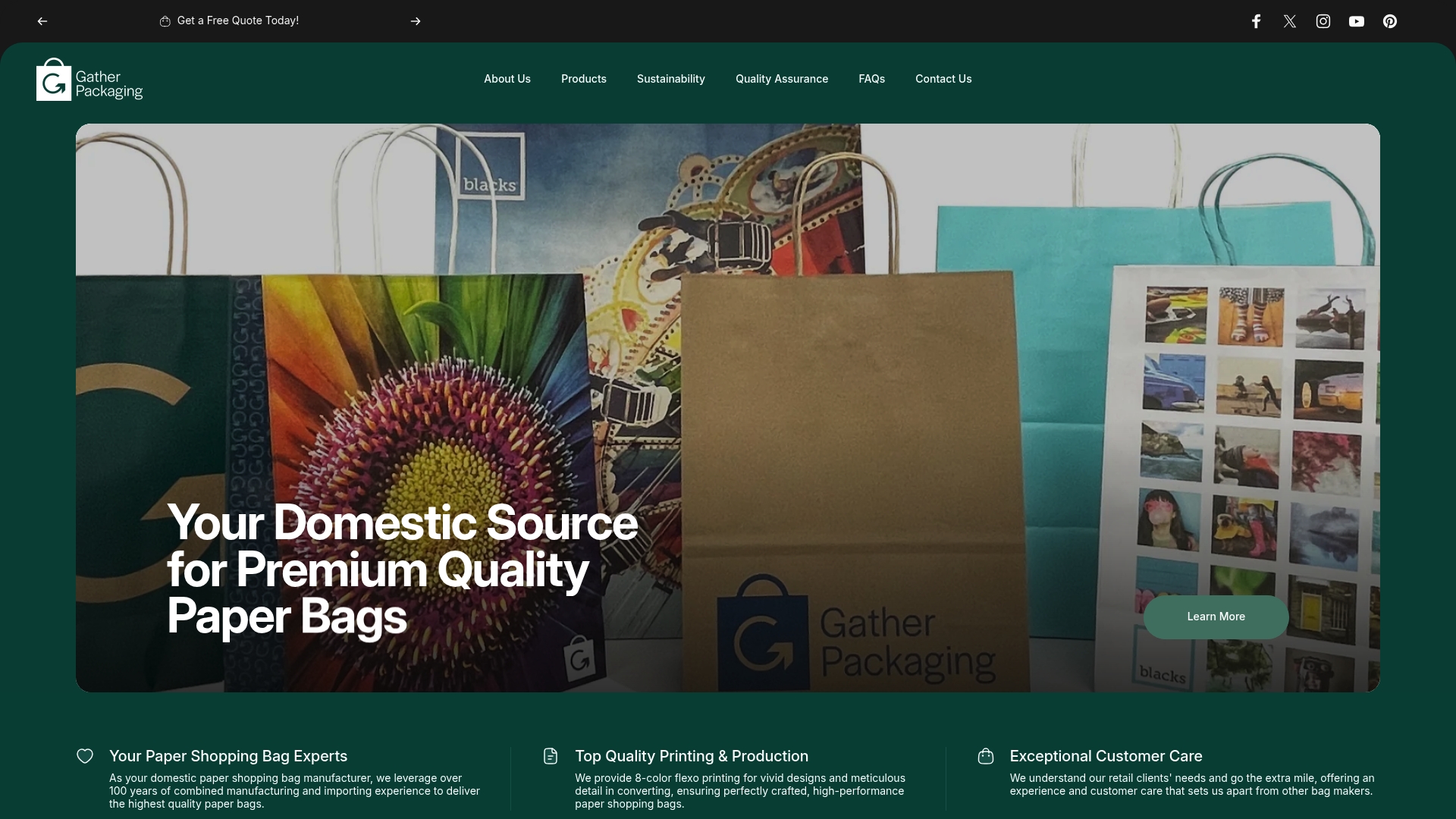
Our eco-friendly paper bags feature FSC-certified materials, recycled content options, and water-based inks that maintain vibrant 8-color printing while supporting your environmental commitments. Every bag is Canadian made, ensuring quick turnaround, lower transportation emissions, and support for local manufacturing. Whether you need turn top bags for retail, tamper-resistant options for foodservice, or custom designs that showcase your brand, our team provides comprehensive support from concept through delivery. Contact us to discuss how sustainable packaging can elevate your brand while protecting the planet.
FAQ
What is the difference between biodegradable and sustainable packaging?
Biodegradable packaging breaks down naturally through microbial action, but this single attribute doesn’t guarantee overall sustainability. A biodegradable material might still be sourced irresponsibly, manufactured with high energy consumption, or require specific industrial composting conditions unavailable in most areas. Sustainable packaging takes a holistic lifecycle approach, considering responsible sourcing, efficient manufacturing, minimal resource use, and practical end-of-life options. True sustainability balances environmental impact across all stages, not just disposal.
Are sustainable packaging materials safe for foodservice use?
Certified sustainable packaging materials absolutely meet strict safety standards for food contact when properly specified. Materials approved for foodservice undergo rigorous testing to ensure they don’t transfer harmful substances to food or beverages. Always verify that packaging carries appropriate certifications like FDA approval for food contact surfaces and follows food-safe packaging guidelines. Reputable manufacturers provide documentation confirming compliance with relevant safety standards for your specific application.
How can switching to sustainable packaging improve my brand’s image?
Consumers increasingly favor brands demonstrating genuine environmental responsibility, with purchasing decisions directly influenced by sustainability commitments. Sustainable packaging provides visible, tangible proof of your values that customers experience with every purchase. This alignment builds emotional connections that foster loyalty, encourage repeat business, and generate positive word-of-mouth marketing. The packaging impact on customer loyalty extends beyond environmental benefits to include perceived quality, brand differentiation, and social sharing as customers proudly display and reuse attractive, eco-friendly packaging.
How much does sustainable packaging typically cost compared to conventional options?
Sustainable packaging often carries a 10-30% premium over conventional plastic alternatives, though costs vary significantly based on material choice, order volume, and customization requirements. However, total cost analysis reveals hidden savings including reduced shipping costs from lightweighting, potential waste disposal fee reductions, and marketing value from enhanced brand image. Many businesses find the premium offset by increased customer loyalty, higher average order values, and competitive differentiation that justifies premium pricing. Volume discounts and domestic manufacturing can further narrow the cost gap.
What should I look for when choosing a sustainable packaging manufacturer?
Prioritize manufacturers with verifiable sustainability certifications like FSC for paper sourcing, documented environmental practices, and transparent supply chains. Domestic production offers advantages including reduced transportation emissions, faster turnaround, and easier quality control compared to overseas sourcing. Evaluate their design and customization capabilities, minimum order quantities, and willingness to provide samples for testing. Strong manufacturers offer comprehensive support including material consultation, prototype development, and ongoing optimization to help you achieve both sustainability and business goals.
Share:
How packaging shapes customer experience and loyalty
Elevate your marketing strategy with packaging in 2026