

Most brands treat packaging as an afterthought, a simple container to protect products during transit. This mindset overlooks a powerful marketing asset sitting right in front of customers at the moment of decision. Packaging shapes customer experience and loyalty, communicates brand values, and influences purchasing behavior more than many traditional marketing channels. For retail brand managers in 2026, integrating packaging into your overall marketing strategy is no longer optional. It’s a competitive necessity that directly impacts brand identity and demonstrates your commitment to sustainability, two factors that drive consumer choice in today’s market.
Table of Contents
- Understanding Packaging’s Role In Marketing Strategy
- Sustainability In Packaging: A Strategic Marketing Advantage
- Innovations In Packaging Design That Strengthen Brand Identity
- Applying Packaging Strategy For Measurable Marketing Success
- Explore Sustainable Packaging Solutions With Gather Packaging
- Frequently Asked Questions About Packaging In Marketing Strategy
Key takeaways
| Point | Details |
|---|---|
| Packaging as first contact | Your packaging creates the initial physical brand interaction that shapes customer perception and buying decisions. |
| Sustainability drives loyalty | Embedding sustainable practices throughout packaging lifecycle builds consumer trust and differentiates your brand. |
| Innovation boosts recognition | Strategic packaging design innovations enhance shelf appeal while reducing environmental impact. |
| Measurable marketing impact | Tracking packaging-specific metrics reveals direct connections between design choices and marketing performance. |
Understanding packaging’s role in marketing strategy
Packaging functions as a silent salesperson, working 24/7 to communicate your brand story without saying a word. When a customer walks past a shelf or receives a delivery, your packaging speaks first. That initial interaction determines whether they feel excitement, trust, indifference, or disappointment.
Consider these fundamental ways packaging drives marketing outcomes:
- First impressions happen in milliseconds, and packaging design triggers emotional responses that influence purchase decisions
- Visual consistency across product lines reinforces brand recognition and builds mental availability with customers
- Tactile experiences, from texture to weight, create memorable brand interactions that digital marketing cannot replicate
- Unboxing moments generate social media content and word-of-mouth marketing when packaging delights customers
Effective packaging tells your brand story through color psychology, typography, imagery, and structural design. A luxury skincare brand uses minimalist packaging with premium materials to signal quality and exclusivity. An eco-conscious food brand chooses kraft paper with simple graphics to communicate authenticity and environmental values. These aren’t random aesthetic choices. They’re strategic marketing decisions that position your brand in the customer’s mind.
Competitive differentiation starts on the shelf. When dozens of similar products sit side by side, packaging design becomes the deciding factor. Your packaging must answer the customer’s unspoken question: why choose this product over that one? Strong visual hierarchy, clear benefit statements, and distinctive design elements cut through the noise.
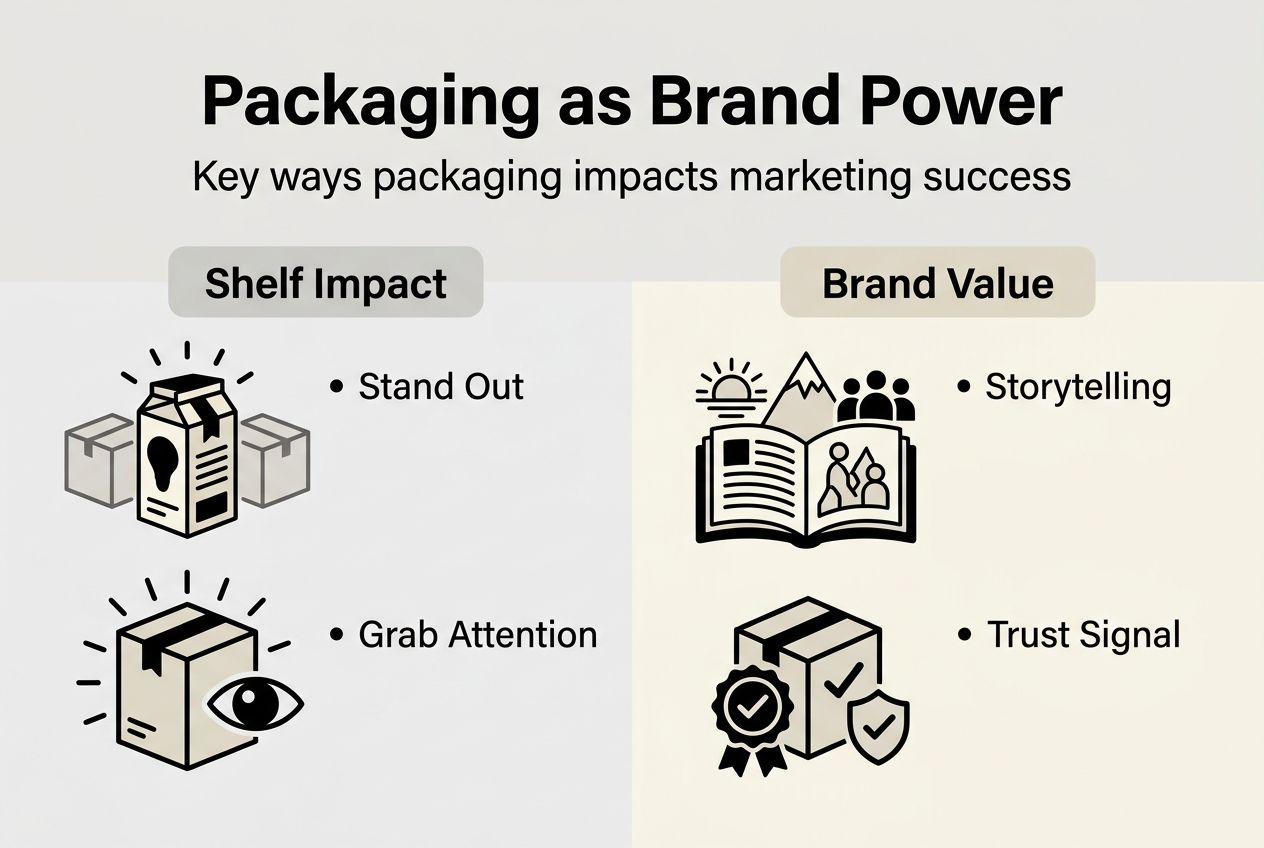
Pro Tip: Audit your current packaging against competitors by photographing products side by side on a shelf. If your packaging doesn’t stand out in that photo, it won’t stand out to customers either.
Consistency matters more than perfection. Customers should recognize your brand instantly across different product categories and sizes. This visual consistency builds trust and makes repeat purchases feel natural. When you redesign packaging, maintain core brand elements while evolving secondary features to stay fresh without confusing loyal customers.
Sustainability in packaging: a strategic marketing advantage
Sustainable packaging isn’t about swapping one material for another and calling it done. The Sustainable Packaging Coalition defines it as an ongoing process focused on lifecycle impacts, from raw material extraction through manufacturing, distribution, use, and end of life. This comprehensive approach transforms sustainability from a checkbox into a strategic advantage.
Consumer expectations have shifted dramatically. In 2026, shoppers actively seek brands that demonstrate environmental responsibility through tangible actions, not just green marketing claims. Your packaging choices signal whether you’re genuinely committed to sustainability or simply jumping on a trend. This matters because trust drives loyalty, and loyalty drives lifetime customer value.
Integrating sustainability into your packaging strategy delivers multiple marketing benefits:
- Differentiation in crowded markets where environmental credentials break ties between similar products
- Premium positioning that justifies higher prices when customers perceive authentic sustainability efforts
- Media coverage and PR opportunities that amplify your brand message beyond paid advertising
- Employee pride and recruitment advantages when team members believe in your company’s values
As one industry framework notes:
Sustainable packaging supports marketing objectives by demonstrating environmental responsibility while maintaining product protection and brand appeal throughout the supply chain.
The key is communicating your sustainability efforts transparently. Customers spot greenwashing instantly. Instead of vague claims like “eco-friendly,” share specific details: FSC-certified materials, percentage of recycled content, water-based inks, or biodegradable components. These concrete facts build credibility.
Pro Tip: Add a small section on your packaging that explains your sustainability choices in plain language. Customers appreciate transparency and it gives them talking points when recommending your brand to friends.
Sustainability also means right-sizing packaging to eliminate waste. Oversized boxes filled with plastic air pillows frustrate customers and harm the environment. Optimizing package dimensions reduces shipping costs, lowers carbon footprint, and improves the customer experience. These operational improvements support your marketing message with real substance.
Think of sustainable packaging as an ongoing conversation with customers about shared values. Each package reinforces your commitment and invites customers to participate in environmental responsibility. This emotional connection transcends transactional relationships and builds brand advocates.
Innovations in packaging design that strengthen brand identity
Packaging innovation extends far beyond materials. It encompasses functional design improvements, customization capabilities, and creative approaches that enhance both marketing impact and environmental performance. Innovative packaging contributes directly to brand development and recognition in ways traditional packaging cannot match.
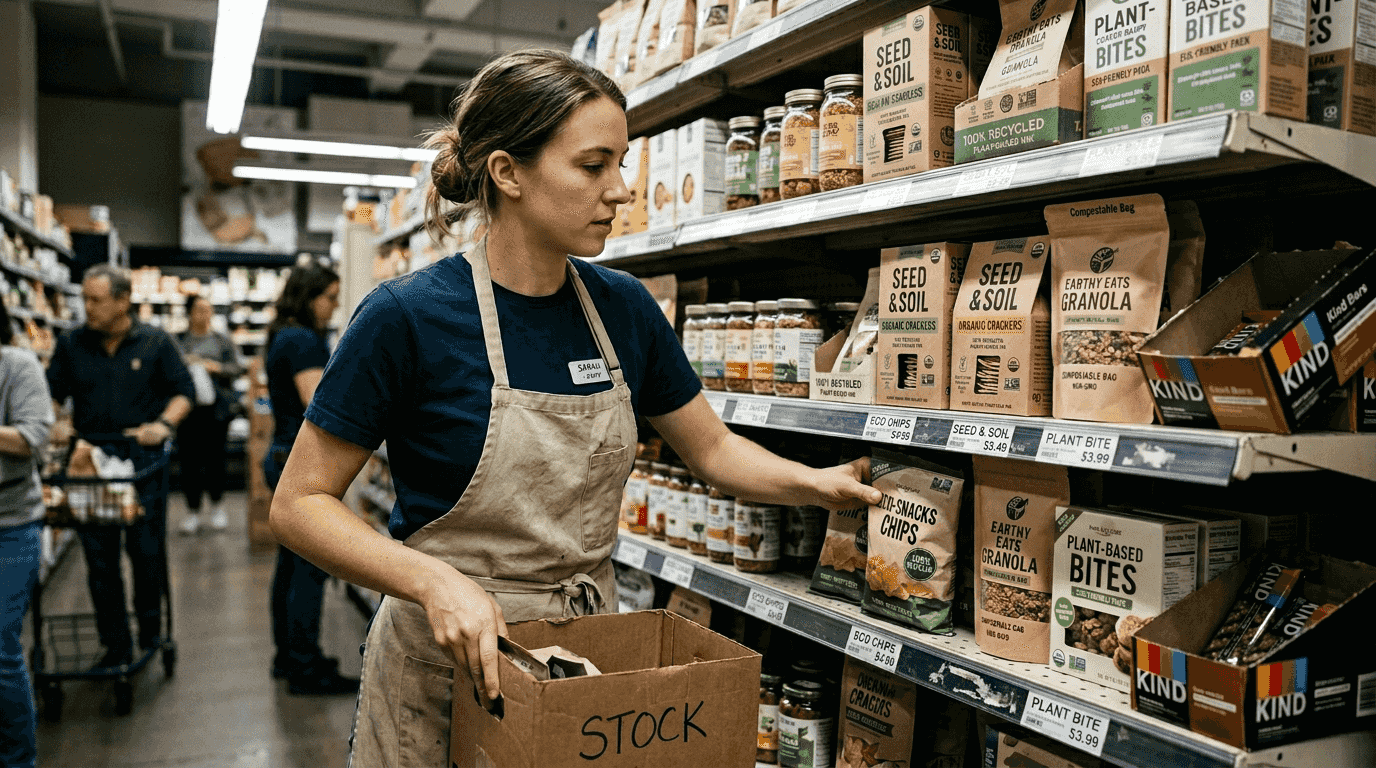
Consider how innovative packaging transforms the customer experience. Resealable closures extend product freshness and add convenience. Modular designs allow customers to reuse packaging for storage or organization. Clear windows showcase product quality while maintaining protection. Each innovation solves a customer problem while reinforcing your brand’s commitment to thoughtful design.
Here’s how traditional and innovative packaging compare across key marketing dimensions:
| Aspect | Traditional Packaging | Innovative Packaging |
|---|---|---|
| Brand differentiation | Generic industry standards | Distinctive design elements |
| Customer engagement | One-time interaction | Extended use and reuse |
| Environmental impact | Higher waste generation | Optimized materials and lifecycle |
| Marketing storytelling | Limited communication space | Interactive and informative features |
| Social media potential | Low shareability | High unboxing appeal |
Customization represents one of the most powerful innovations in packaging marketing. Advanced printing technologies now enable brands to create limited editions, regional variations, or personalized packaging at reasonable costs. A coffee roaster might feature different local artists on packaging each quarter. A cosmetics brand could print customer names on products ordered online. These touches transform packaging into collectible marketing assets.
Implementing packaging innovation requires a structured approach. Follow these steps to maximize marketing benefits:
- Audit current packaging performance by gathering customer feedback and analyzing return rates or damage complaints
- Identify specific pain points or opportunities where innovative design could improve customer experience
- Research emerging packaging technologies and materials that align with your brand values and budget
- Prototype multiple design concepts and test them with target customers before full production
- Launch innovations with supporting marketing campaigns that explain the benefits and invite customer participation
- Monitor performance metrics and gather ongoing feedback to refine designs in future iterations
Pro Tip: Partner with your packaging manufacturer early in the innovation process. Their technical expertise helps you avoid costly mistakes and identify practical solutions you might not discover independently.
Innovation also means designing packaging to reduce waste while maintaining shelf appeal. Minimalist designs using fewer inks and simpler structures often cost less to produce and recycle more easily. This approach appeals to environmentally conscious consumers while improving your bottom line. The marketing message writes itself: beautiful design that respects resources.
Functional innovations create memorable brand moments. A wine brand using packaging that transforms into a gift box eliminates the need for separate wrapping. A snack company designing bags that stand upright improves pantry organization. These thoughtful details generate positive associations that customers remember and share.
Applying packaging strategy for measurable marketing success
Transforming packaging from a logistics necessity into a marketing powerhouse requires deliberate strategy and consistent execution. Retail brand managers must align packaging decisions with broader marketing objectives, then track performance to validate investments and guide improvements.
Start by defining clear objectives for your packaging strategy. Are you trying to increase brand recognition, justify premium pricing, improve customer retention, or communicate sustainability leadership? Different goals require different approaches. Premium positioning demands high-quality materials and sophisticated design. Sustainability leadership requires transparent communication and verified environmental credentials. Strategic packaging enhances shelf appeal and supports product marketing across all these dimensions.
Establish a framework to evaluate packaging effectiveness:
- Brand visibility: Does your packaging stand out in retail environments and online marketplace listings?
- Message clarity: Do customers immediately understand your product benefits and brand values from packaging alone?
- Customer engagement: Does packaging create positive emotional responses and encourage social sharing?
- Operational efficiency: Does packaging protect products effectively while minimizing costs and environmental impact?
- Competitive positioning: How does your packaging compare to direct competitors in perceived quality and innovation?
Best practices for integrating packaging into marketing campaigns include:
- Launch new packaging designs with coordinated social media content showing behind-the-scenes development
- Create unboxing video guidelines and encourage customers to share their experiences with branded hashtags
- Feature packaging innovations in press releases and pitch stories to trade publications and consumer media
- Use packaging design elements consistently across digital marketing, in-store displays, and promotional materials
- Gather customer feedback systematically through surveys, reviews, and social listening to identify improvement opportunities
- Test packaging variations with A/B testing in different markets or channels before full rollout
Tracking the right metrics reveals how packaging drives marketing performance. This data helps justify packaging investments and guides strategic decisions:
| Metric Category | Key Indicators | Measurement Approach |
|---|---|---|
| Brand awareness | Unaided recall, visual recognition | Customer surveys, brand studies |
| Purchase behavior | Conversion rates, repeat purchase frequency | Sales data analysis, loyalty programs |
| Customer satisfaction | Net Promoter Score, packaging-specific feedback | Post-purchase surveys, review analysis |
| Social engagement | Share rates, user-generated content volume | Social media monitoring, hashtag tracking |
| Environmental impact | Material reduction, recycling rates | Supply chain data, customer participation |
Pro Tip: Set up a simple dashboard tracking three to five packaging-specific KPIs. Monthly reviews help you spot trends early and adjust strategy before small issues become major problems.
Remember that packaging strategy evolves with your brand. Regular reviews ensure your packaging continues supporting marketing objectives as customer preferences shift and new technologies emerge. Annual audits comparing your packaging against competitors and industry trends identify opportunities for innovation and improvement.
Collaboration between marketing, product development, and operations teams ensures packaging decisions balance aesthetic appeal, functional performance, and cost efficiency. When these teams work in silos, packaging becomes a compromise that satisfies no one. Integrated planning creates packaging that delights customers while meeting business requirements.
The most successful brands treat packaging as a dynamic marketing channel requiring ongoing investment and optimization. They test new approaches, measure results, and continuously refine their strategy. This commitment to excellence transforms packaging from a commodity expense into a competitive advantage that shapes customer experience and drives business growth.
Explore sustainable packaging solutions with Gather Packaging
Your packaging strategy deserves a manufacturing partner who understands both marketing impact and environmental responsibility. Gather Packaging specializes in Canadian-made sustainable paper bags that help retail brands strengthen their marketing while meeting sustainability goals. With over a century of combined experience, we deliver customizable designs that enhance brand recognition and customer experience.
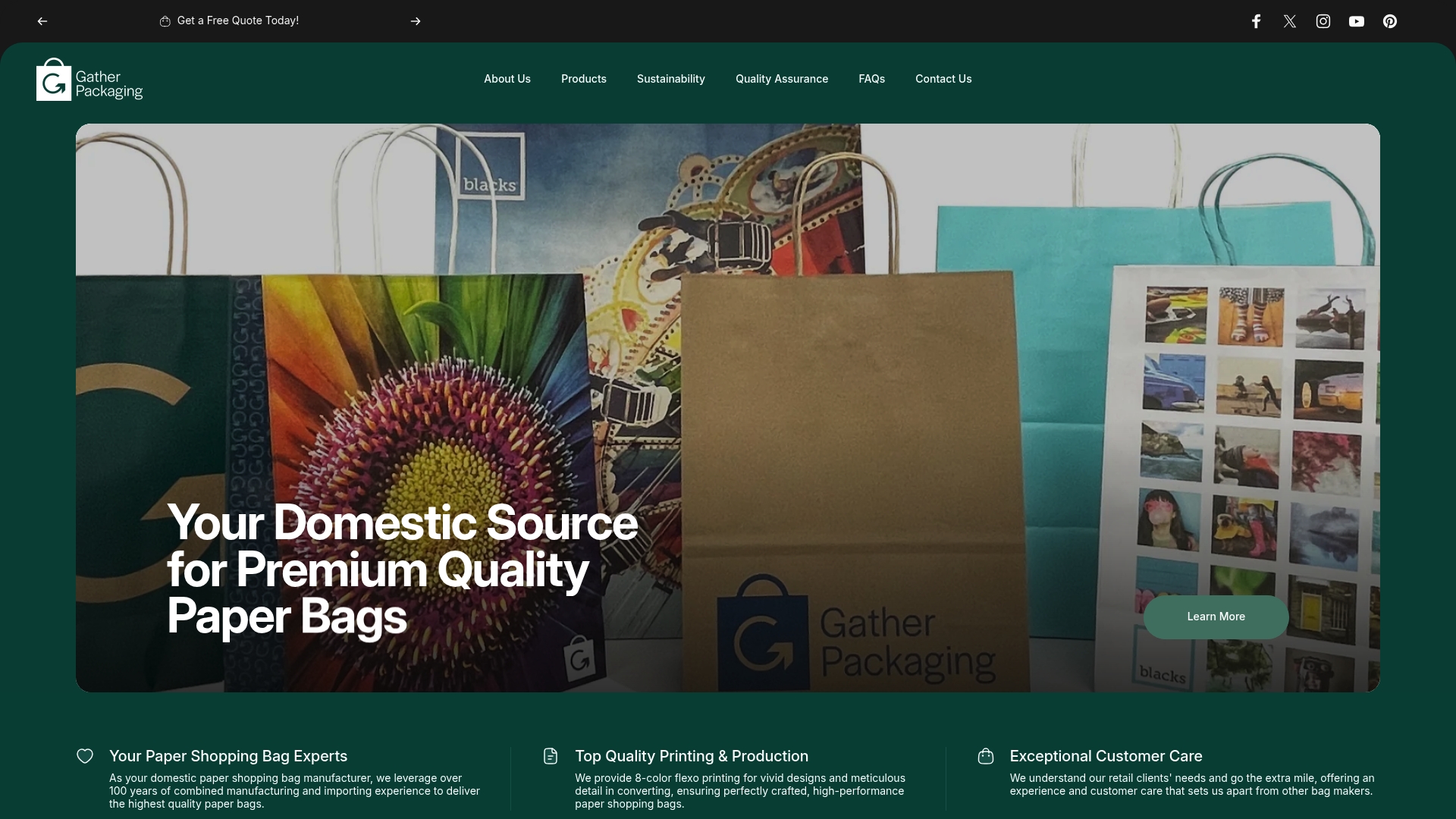
Our eco-friendly paper bags feature FSC-certified materials, recycled content, water-based inks, and biodegradable options that align with consumer expectations for environmental responsibility. Advanced 8-color flexo printing capabilities ensure your brand stands out with vibrant, eye-catching designs. Whether you need turn top bags for retail, serrated top bags for foodservice, or tamper-resistant options for specialty products, our custom printed solutions support your marketing strategy with quality and consistency. Domestic production in Toronto means faster turnaround, lower costs, and reduced shipping emissions compared to overseas alternatives.
Frequently asked questions about packaging in marketing strategy
What key elements make packaging effective for marketing?
Effective marketing packaging combines visual appeal, functional design, and clear brand messaging. Your packaging should stand out on shelves, communicate product benefits instantly, and create positive emotional connections. Consistency across product lines reinforces brand recognition while tactical variations for promotions or seasons maintain customer interest.
How does sustainable packaging contribute to a brand’s image?
Sustainable packaging demonstrates authentic commitment to environmental responsibility, building trust with increasingly eco-conscious consumers. Transparent communication about materials, certifications, and lifecycle impacts differentiates your brand from competitors making vague green claims. This credibility translates into customer loyalty and premium positioning that supports higher margins.
What metrics should brands track to measure packaging success?
Track brand awareness through recognition studies, purchase behavior via conversion and repeat rates, customer satisfaction through NPS scores and reviews, and social engagement by monitoring share rates and user-generated content. Environmental metrics like material reduction and recycling participation demonstrate sustainability progress. Combining these indicators reveals packaging’s total marketing impact.
How can packaging innovation reduce environmental impact?
Innovative packaging reduces waste through optimized sizing, eliminates unnecessary components, and uses materials with lower lifecycle impacts. Design improvements like resealable closures extend product life, reducing overall consumption. Advanced manufacturing techniques minimize production waste and energy use. These innovations deliver environmental benefits while often reducing costs and improving customer experience.
Why choose local packaging manufacturers for marketing packaging needs?
Local manufacturers offer faster turnaround for design iterations and production runs, enabling more responsive marketing campaigns. Shorter supply chains reduce shipping emissions and costs while providing greater quality control. Domestic production supports your sustainability messaging with concrete evidence. Partnership with nearby manufacturers facilitates collaboration on packaging innovations that enhance your competitive advantage.
Share:
What is sustainable packaging? 2026 guide for retail
Step-by-step paper bag design guide for retail 2026