

TL;DR:
- Modern eco-laminates and reusable materials have improved the environmental impact of laminated paper bags.
- The sustainability of a laminated bag depends on material choice, reuse frequency, and proper disposal.
- Thoughtful lamination enhances brand image and durability while supporting environmental commitments.
Lamination on paper shopping bags gets a bad reputation, and most of it is undeserved. Many business owners assume that any laminated bag is automatically a sustainability problem, but modern eco-laminates and reusable materials have fundamentally changed that equation. The right lamination can protect your products, elevate your brand, and still align with your environmental commitments. In this guide, you’ll learn exactly what shopping bag lamination is, how it works, which types are available, how each one affects your footprint, and how to make a confident, informed choice for your retail or foodservice operation.
Table of Contents
- What is shopping bag lamination?
- Types of lamination and their uses
- Lamination’s impact on sustainability and the environment
- How to select the right lamination for your brand
- A practical perspective on shopping bag lamination
- Explore custom sustainable shopping bags with us
- Frequently asked questions
Key Takeaways
| Point | Details |
|---|---|
| Lamination adds durability | It strengthens paper bags, making them moisture-resistant and attractive for retail and foodservice use. |
| Eco-laminates support sustainability | Choosing recycled or plant-based laminates reduces environmental impact and meets modern customer expectations. |
| Right choice depends on use | Selecting lamination depends on your product, brand goals, and sustainability commitments—no one-size-fits-all. |
| Reusability boosts value | Reusable laminated bags offset their footprint after several uses, combining branding power with green credentials. |
What is shopping bag lamination?
Lamination is the process of bonding a thin protective layer onto the surface of a paper bag. Think of it as a skin applied over the paper to change how it looks, how it feels, and how it performs under real-world conditions like moisture, friction, and heavy loads. That layer is typically heat-bonded or adhesive-bonded to the base material, creating a unified structure that’s significantly more durable than uncoated paper alone.
Traditionally, that protective layer was made from petroleum-based plastic films, most often polypropylene or polyethylene. These options delivered excellent water resistance and a sharp visual finish, but they created serious end-of-life issues because separating the plastic film from the paper fiber made recycling extremely difficult.
Modern lamination tells a very different story. Today’s options include:
- Gloss laminate: A shiny, smooth finish that makes colors pop and resists surface scuffs
- Matte laminate: A flat, premium finish that feels sophisticated and reduces glare
- Soft-touch laminate: A velvety, rubberized coating that signals luxury at first touch
- Eco-laminate: Plant-based, compostable, or recycled-content films that minimize environmental harm while still delivering protection
- Aqueous (water-based) coating: A lighter alternative that improves moisture resistance without adding a thick film layer
The key misconception is that all lamination is equally harmful. It isn’t. The environmental profile of a laminated bag depends almost entirely on what the laminate is made of and how many times the bag gets reused. According to lifecycle research, reusable laminated bags become sustainable after 11 or more uses compared to single-use alternatives.
“Not all laminates are created equal. Choosing the right one is less about avoiding lamination entirely and more about picking the material and use pattern that actually reduces total environmental impact.”
For a deeper look at how materials interact during production, the lamination process guide walks through each stage so you can make better sourcing decisions.
With the basics in place, it’s important to differentiate how lamination methods impact your bags’ properties and responsibilities.
Types of lamination and their uses
Now that you understand what lamination is, let’s compare the main options and their real-world applications.
Each lamination type brings a distinct look, feel, and performance profile. Picking the wrong one for your context can hurt your brand image or create unnecessary waste. Here’s a practical breakdown.
| Lamination type | Best for | Environmental profile | Typical cost |
|---|---|---|---|
| Gloss | Retail, gift bags, bold branding | Lower (plastic film) | Low to moderate |
| Matte | Apparel, premium retail | Lower (plastic film) | Moderate |
| Soft-touch | Luxury goods, high-end retail | Lower (plastic film) | Higher |
| Eco-laminate | Foodservice, eco-conscious retail | High (compostable/recycled) | Moderate to higher |
| Aqueous coating | Foodservice, everyday retail | Highest (no film layer) | Low |
How to pick based on your business:
- Foodservice operations: Prioritize moisture resistance and food safety. Eco-laminates or aqueous coatings are ideal because they protect against grease and condensation without locking in harmful plastic films.
- Apparel retail: Matte and soft-touch laminates create an upscale, tactile experience that supports premium positioning. Customers notice the feel before they notice the price tag.
- Specialty or gift retail: Gloss lamination keeps printed colors vivid and dramatic, making branded bags feel like part of the product experience.
- Eco-first brands: Pair kraft bag materials with thin eco-laminates for a finish that looks intentional and performs well. Research confirms that a recycled kraft base plus eco-laminates represent the most sustainable laminated option currently available.
Pro Tip: Request physical samples before committing to a run. Matte and soft-touch laminates photograph very differently than they feel in person. Your customer’s first impression is tactile, not visual.
The tradeoffs are real. Plastic-based laminates cost less upfront but create end-of-life recycling headaches. Eco-laminates cost a bit more per unit but support your custom bag branding options and green positioning authentically. Knowing your customer, your product, and your reuse expectations makes this decision much simpler.
Lamination’s impact on sustainability and the environment
Understanding the types and their purpose is useful, but today’s owners also prioritize sustainability and compliance.
The lifecycle of a laminated bag is more nuanced than a simple “plastic bad, paper good” framing. The real question is: how many times will this bag be used, and what is it made of? Those two variables drive nearly all of the environmental math.
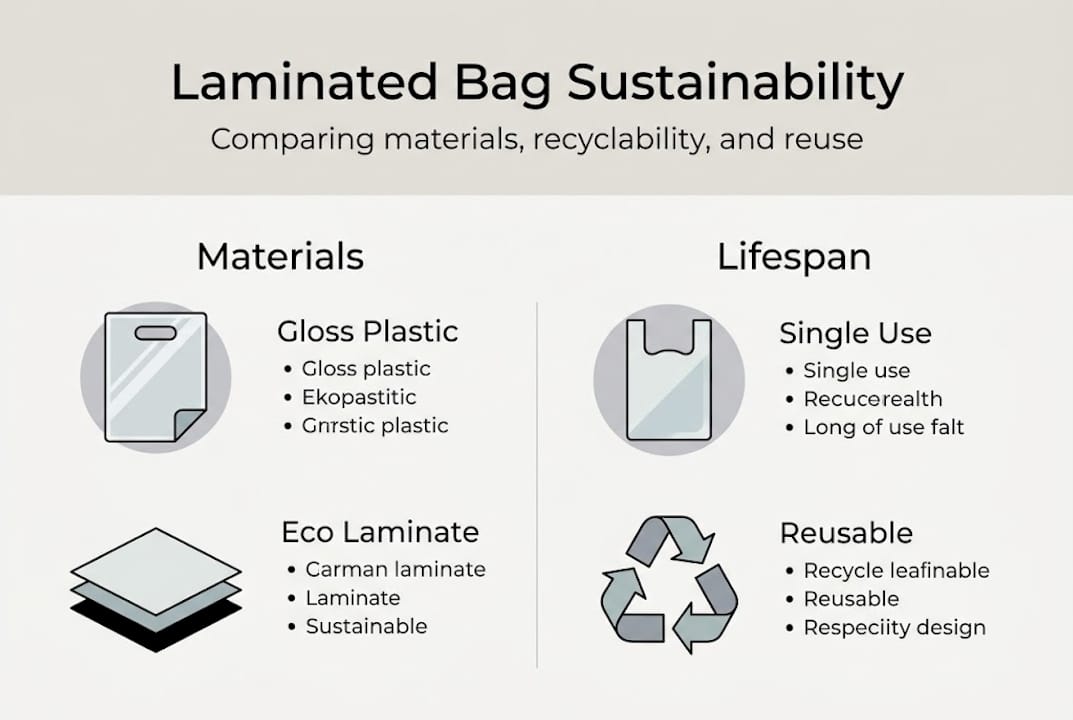
Here’s a snapshot of how laminated bag types compare on sustainability:
| Bag type | Recyclable | Compostable | Reuse threshold for net benefit |
|---|---|---|---|
| Standard gloss laminate | No | No | 15+ uses |
| Matte plastic laminate | No | No | 15+ uses |
| Eco-laminate (plant-based) | Sometimes | Yes (certified) | 6 to 8 uses |
| Aqueous coating only | Yes | Sometimes | 3 to 5 uses |
| Unlaminated kraft | Yes | Yes | 1 to 2 uses |
The sustainability picture shifts dramatically with reuse. Reusable laminated bags offset their higher production impact after just 11 or more uses compared to single-use alternatives. A heavy-duty laminated bag that a customer carries to the farmers market 20 times outperforms a stack of unlaminated bags used once each.
Key sustainability factors to evaluate when sourcing laminated bags:
- FSC® certification: Confirms the paper base comes from responsibly managed forests
- Compostability certification: Look for BPI or TÜV certifications on eco-laminates to confirm real-world performance
- Recycled content percentage: Some eco-laminates incorporate post-consumer recycled film, reducing virgin material demand
- Water-based inks: Pairing lamination with paper emissions comparison data helps you calculate your actual footprint
- End-of-life pathway: Ask your supplier directly whether the finished bag is recyclable in your region’s infrastructure
For brands operating under local or national sustainability mandates, eco-laminated bags are often the only compliant path to a coated finish. The eco-friendly bag information available from certified manufacturers can simplify your compliance documentation significantly.
The lifecycle of reusable bags consistently shows that durability beats disposability when you factor in total resource consumption across the full use period. A laminated bag built to last is almost always the smarter environmental investment.
How to select the right lamination for your brand
With sustainability in mind, let’s lay out a clear roadmap for making the best lamination decision for your business.
Selecting lamination shouldn’t feel like guesswork. Follow these steps to match the right finish to your brand, product, and values.
- Define your product requirements. Does your bag need to hold hot food, handle heavy apparel, or carry specialty items that scratch easily? Moisture resistance and load strength determine your minimum performance threshold before aesthetics enter the conversation.
- Set your sustainability baseline. Are you targeting compostability, recyclability, or simply reducing virgin plastic use? That goal narrows your laminate options significantly and helps you avoid greenwashing your own packaging choices.
- Match lamination to your customer experience. A luxury candle brand needs soft-touch. A neighborhood bakery needs moisture resistance and warmth. Your bag should feel like an extension of your brand, not a generic container.
- Calculate your expected reuse rate. If your customers are unlikely to reuse the bag more than a few times, a lighter aqueous coating may deliver a better environmental outcome than a full plastic laminate.
- Review certifications and supplier documentation. Design tips for branding work best when the underlying materials can actually back up your brand’s claims.
- Request samples and test in real conditions. Run the bag through your actual packing workflow. Fill it with your heaviest product. Check the handles. See whether the print survives contact with moisture or friction.
Pro Tip: Don’t let per-unit cost be your only filter. A cheaper bag that tears after one use costs more than a slightly pricier laminated bag that a customer reuses 15 times and associates with your brand every single time.
Top decision factors at a glance:
- Product weight and moisture exposure
- Brand positioning (mass market vs. premium vs. eco-first)
- Local waste management infrastructure
- Customer reuse behavior
- Eco-certification requirements from retailers or regulators
Well-chosen laminated bags boost brand value and sustainability for both retailers and foodservice operators simultaneously. That combination is rare in packaging, which is exactly why getting this decision right matters. For a side-by-side breakdown by business type, choosing bags for your business offers additional practical guidance.
A practical perspective on shopping bag lamination
Here’s the uncomfortable truth about the lamination debate: most of the criticism is aimed at a version of lamination that the industry has largely moved past. Blanket anti-lamination arguments made more sense when the only option was a thick polypropylene film bonded to virgin paper with solvent-based adhesives. That’s not the product most responsible manufacturers are offering today.
The real tension isn’t between laminated and unlaminated bags. It’s between brands that use lamination thoughtfully and brands that use it carelessly. A poorly designed, over-engineered laminated bag that customers toss after one use is genuinely a problem. A well-designed eco-laminated bag with great handles that customers keep because it looks and feels excellent is a net positive.
We’ve seen brands abandon lamination entirely for sustainability optics, only to switch back after their uncoated bags failed at the register or developed surface damage that undermined their premium positioning. The retail sustainability perspective that resonates with modern consumers isn’t “no lamination ever.” It’s “lamination done with intention.” Research confirms that reusable laminated bags can be a genuinely sustainable choice when they’re reused enough. That’s the standard worth holding yourself to.
Explore custom sustainable shopping bags with us
Putting this knowledge into practice starts with having the right manufacturing partner. At Gather Packaging, we produce sustainable bags with FSC®-certified materials, water-based inks, and eco-lamination options that align with your brand’s sustainability commitments without sacrificing the look or durability your customers expect.
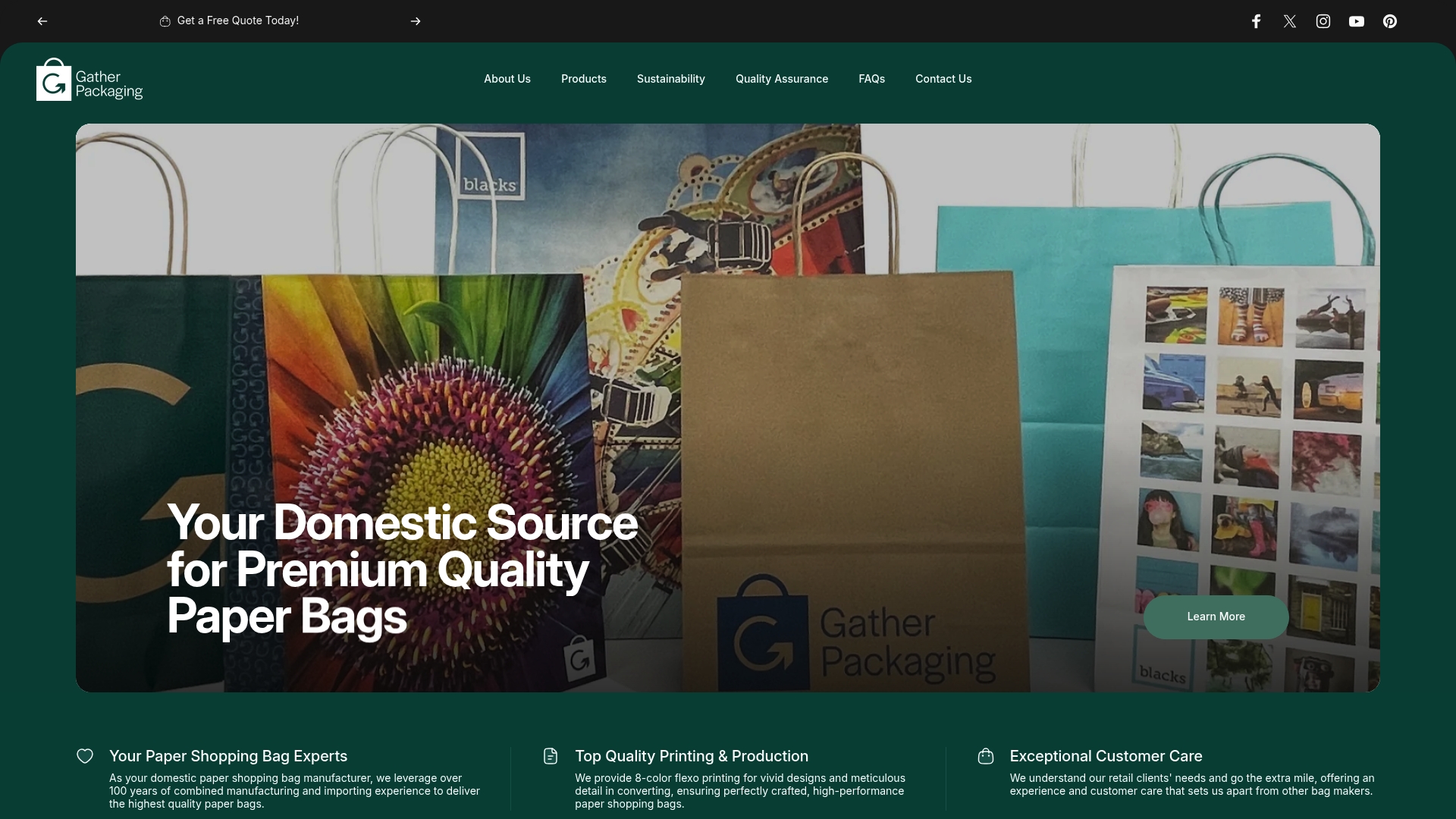
Our bags made in Canada are manufactured in Toronto, which means faster turnaround, lower shipping emissions, and direct access to our team for customization decisions. Whether you need gloss, matte, soft-touch, or eco-laminate finishes, we’ll help you find the right solution. Explore our eco bag options or reach out to request samples and start building a bag that works as hard as your brand does.
Frequently asked questions
Is laminated paper sustainable?
Yes, especially when made with a recycled kraft base and certified eco-laminates. Reusable laminated bags offset their production impact after 11 or more uses compared to single-use options.
What’s the difference between gloss and eco-laminate?
Gloss laminate is durable and visually striking but typically uses a plastic film that limits recyclability. Eco-laminate uses plant-based or compostable materials, and pairing a recycled kraft base plus eco-laminates delivers the most sustainable coated finish available.
How do you select the right lamination for your business?
Start with your product requirements, then factor in sustainability goals and expected customer reuse behavior. Well-chosen laminated bags consistently boost both brand value and environmental performance for retail and foodservice operators.
Are laminated bags recyclable or compostable?
It depends entirely on the laminate material. Eco-laminated bags certified by BPI or TÜV can be compostable, while aqueous-coated bags are often recyclable. Always verify certifications with your supplier before making environmental claims to your customers.
Share:
Uncoated paper packaging: Eco-friendly choice for brands
Reduce Your Packaging Carbon Footprint: Strategies & Insights