

Plastic bags recycle at under 10%, yet the North American paper bag market is surging toward USD 2.9 billion by 2032. This growth reflects a fundamental shift as retail brand managers and foodservice operators respond to plastic bans, consumer eco-consciousness, and the need for packaging that protects products while projecting sustainability values. Paper bags now serve triple duty: safeguarding merchandise, amplifying brand identity through custom printing, and demonstrating environmental responsibility. Understanding their technical specifications, cost dynamics, and strategic applications empowers you to make packaging choices that align with regulatory requirements and customer expectations while differentiating your brand in competitive markets.
Table of Contents
- Why Paper Bags Are Reshaping Retail And Foodservice Packaging In North America
- Core Roles Of Paper Bags In Retail: Protection, Branding, And Sustainability
- Understanding Paper Bag Materials And Manufacturing Mechanics For Retail Durability
- Environmental Impact And Cost Comparison: Paper Bags Vs Plastic Alternatives
- Applying Paper Bag Strategies: Aligning With Regulations And Boosting Brand Sustainability
- Enhance Your Eco-Friendly Retail Packaging With Gather Packaging
Key takeaways
| Point | Details |
|---|---|
| Triple function | Paper bags deliver product protection, brand visibility through custom printing, and credible eco-friendly positioning simultaneously. |
| Market momentum | Projected growth from USD 2B to USD 2.9B by 2032 signals widespread adoption driven by plastic bans and sustainability demand. |
| Material tradeoffs | Virgin kraft (70-130 GSM) offers superior strength; recycled content balances moderate durability with lower environmental impact. |
| Cost vs value | Paper bags cost 1.5 to 2 times more than plastic but achieve 64% recycling rates versus under 10% for plastic alternatives. |
| Strategic edge | FSC certification, custom branding, and local manufacturing reduce carbon footprint while enhancing customer perception and regulatory compliance. |
Why paper bags are reshaping retail and foodservice packaging in North America
Plastic bag bans now operate in 19 US states, forcing retail and foodservice operators to pivot quickly. This regulatory pressure combines with consumer preferences favoring recyclable, biodegradable packaging to create unprecedented demand. The North American paper bag market will expand from USD 4.1B in 2025 to USD 7.4B by 2035, reflecting a 5.3% compound annual growth rate that outpaces many traditional packaging categories.
This expansion enables innovation in bag design and customization. Manufacturers now offer vibrant 8-color flexo printing, reinforced handles, and specialized formats like tamper-resistant closures. E-commerce growth amplifies the need for sustainable packaging that survives shipping while making positive unboxing impressions. Brands recognize that packaging communicates values before customers interact with products.
Key drivers reshaping the landscape include:
- Legislative momentum eliminating single-use plastics in major metropolitan areas
- Consumer willingness to pay premiums for brands demonstrating environmental accountability
- Retailer commitments to eliminate plastic bags from checkout processes by 2027
- Foodservice operators seeking compostable takeaway solutions that maintain food safety
Pro Tip: Track state and municipal plastic bag legislation quarterly to anticipate compliance deadlines and avoid last-minute sourcing challenges that inflate costs.
The shift creates opportunities for brands to differentiate through choosing right paper bags that balance functionality with sustainability messaging. Early adopters gain competitive advantages by establishing supplier relationships and customer recognition before competitors catch up.
Core roles of paper bags in retail: protection, branding, and sustainability
Paper bags fulfill three interconnected functions that justify their premium over plastic alternatives. First, they protect merchandise through reinforced construction and appropriate sizing. Gusseted bottoms distribute weight evenly, while kraft paper’s tear resistance prevents product damage during transport. Burst strength ratings of 200-350 kPa ensure bags withstand typical retail loads without failure.
Second, customization transforms bags into mobile brand advertisements. Custom printing enables logos, colors, and messaging on kraft or white paper substrates, creating tactile brand experiences that digital channels cannot replicate. Shoppers carrying branded bags through public spaces generate impressions that extend marketing reach beyond store walls. Premium printed bags signal quality and attention to detail that influence purchase decisions and customer loyalty.
Third, biodegradability and recyclability enhance sustainability credentials. Paper decomposes naturally without microplastic pollution, addressing consumer concerns about environmental legacy. High recycling rates mean bags re-enter material streams rather than accumulating in landfills or oceans. This circular potential supports corporate sustainability reporting and meets stakeholder expectations.
Common applications span sectors:
- Grocery stores using reinforced bags for produce and packaged goods
- Restaurants deploying grease-resistant bags for takeaway orders
- Apparel retailers creating premium shopping experiences with custom-printed carriers
- Specialty shops differentiating through unique bag designs and eco-messaging
Pro Tip: Coordinate bag design with in-store signage and digital branding to create cohesive visual identity that reinforces brand recognition across touchpoints.
The multifunctional nature of custom printed kraft paper bags justifies their cost premium by delivering value across protection, marketing, and sustainability dimensions simultaneously. Brands maximizing all three functions achieve better returns than those viewing bags as commodity packaging. Investing in paper bag design upfront prevents costly redesigns and establishes consistent customer experiences.
Understanding paper bag materials and manufacturing mechanics for retail durability
Kraft paper grades determine bag performance and cost structures. Virgin kraft (70-130 GSM) provides superior tear and burst strength suitable for heavy or sharp-edged products. Recycled kraft offers moderate strength adequate for lighter loads while reducing environmental impact. GSM (grams per square meter) measures paper density; higher values indicate thicker, stronger material that costs more but handles greater stress.
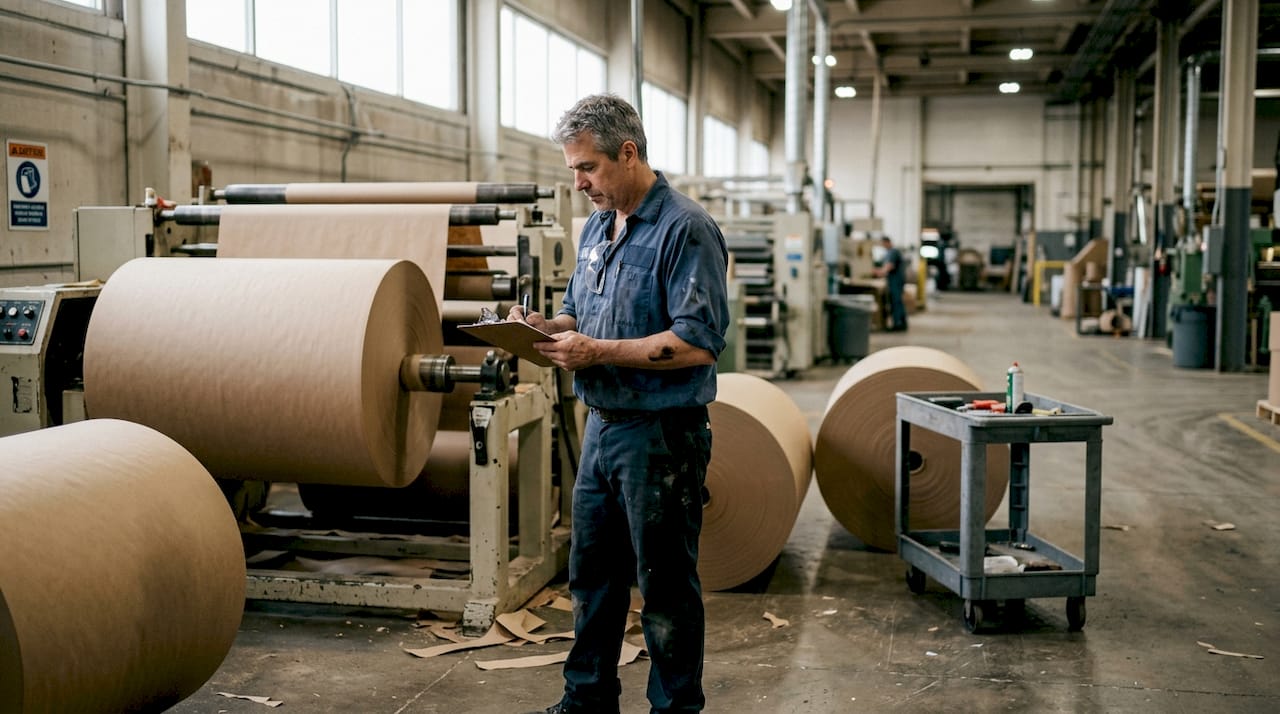
Burst strength, measured in kilopascals (kPa), indicates resistance to sudden pressure. Retail bags typically range from 200 to 350 kPa. Tensile strength measures resistance to tearing along paper grain. These specifications matter because underspecified bags fail during use, damaging products and brand reputation. Overspecified bags waste material and inflate costs unnecessarily.
| Specification | Virgin Kraft | Recycled Kraft | Application | | — | — | — | | GSM Range | 90-130 | 70-100 | Virgin for heavy items; recycled for lightweight goods | | Burst Strength | 280-350 kPa | 200-260 kPa | Higher values for books, bottles; lower for apparel | | Cost per Unit | $0.15-0.25 | $0.10-0.18 | Budget constraints vs durability needs | | Recycled Content | 0% | 30-100% | Sustainability messaging and certifications |
Reinforcements enhance functionality without switching to heavier base paper. Gusseted sides expand to accommodate bulky items. Bottom boards distribute weight and prevent sagging. Twisted or flat handles improve carrying comfort and weight capacity. These features add cost but reduce product damage and customer frustration.
Bag formats influence stability and usability:
- SOS (self-opening side) bags stand upright for easy filling at checkout
- Block-bottom designs provide stable bases for stacking and display
- Flat bags minimize storage space but require careful packing
- Euro-tote styles with die-cut handles offer premium presentation
Pro Tip: Request sample bags loaded with actual products to test real-world performance before committing to large production runs that may underperform expectations.
Balancing durability, appearance, and cost requires matching specifications to use cases. Grocery bags need higher burst strength for canned goods. Apparel bags prioritize aesthetics over extreme durability. Understanding manufacturing details helps you specify requirements that optimize performance per dollar spent.
Environmental impact and cost comparison: paper bags vs plastic alternatives
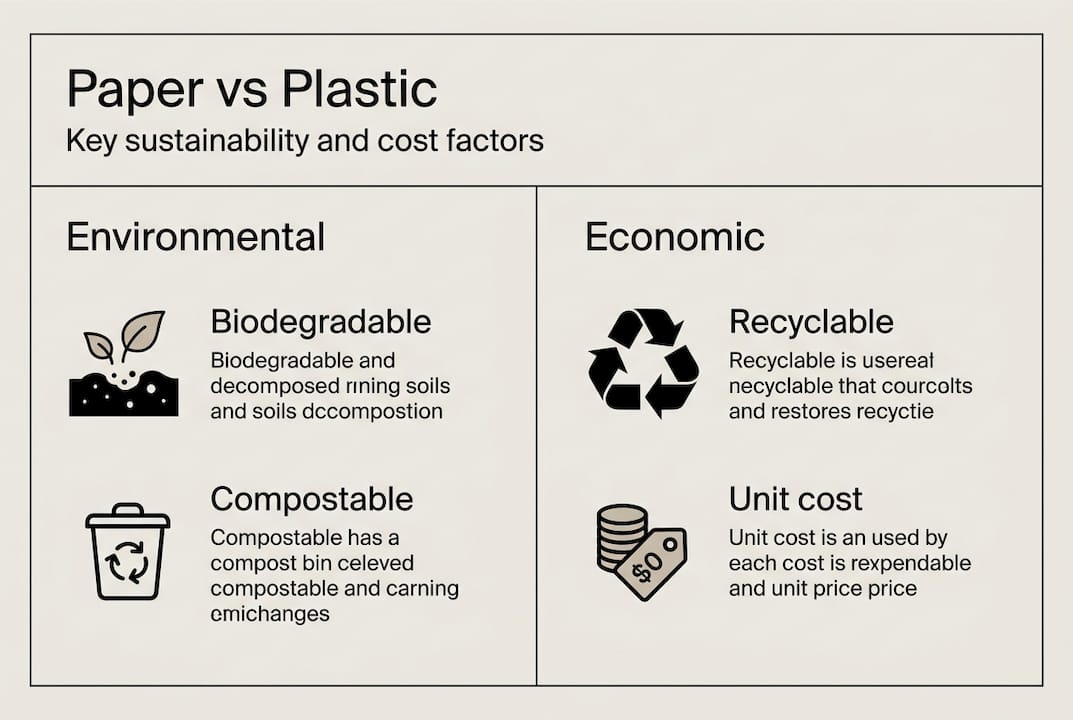
Paper bags cost significantly more than plastic equivalents but deliver environmental benefits that justify premiums for sustainability-focused brands. Paper bags range from $0.05 to $0.25 per unit while plastic costs $0.01 to $0.05, creating a 1.5 to 2 times cost differential. This gap narrows when factoring disposal costs, regulatory fines for plastic use, and brand value from eco-positioning.
Recycling rates reveal stark contrasts. Paper achieves 64% recycling in North America versus under 10% for plastic bags. Recycled paper re-enters manufacturing streams for new bags, boxes, and paper products. Plastic bags contaminate recycling systems, clog machinery, and often end as landfill waste or environmental pollution. This circularity advantage supports credible sustainability claims.
Manufacturing impacts differ across metrics:
- Paper production consumes more water and energy per unit than plastic extrusion
- Paper mills generate biodegradable waste; plastic creates persistent microplastic pollution
- Transportation costs increase for paper due to greater weight and volume
- End-of-life decomposition favors paper’s natural breakdown over plastic’s centuries-long persistence
“Lifecycle assessments must account for sourcing, manufacturing energy, transportation, use phase, and disposal to provide honest environmental comparisons rather than cherry-picking favorable metrics.”
FSC certification verifies responsible forestry practices, ensuring paper sourcing does not contribute to deforestation. Brands displaying FSC logos communicate supply chain transparency that builds customer trust. Choosing certified materials strengthens sustainability narratives and differentiates from competitors making unsubstantiated green claims.
Cost-benefit analysis for switching includes:
- Direct material cost increases offset by regulatory compliance and avoided fines
- Marketing value from authentic sustainability positioning attracting eco-conscious customers
- Customer loyalty gains from alignment with environmental values
- Reduced reputational risk from plastic pollution associations
Pro Tip: Calculate total cost of ownership including disposal fees, regulatory compliance, and brand perception impacts rather than focusing solely on per-unit material costs.
Environmental benefits of paper bags extend beyond recycling to include compostability in municipal systems and reduced marine pollution. These advantages resonate with customers increasingly scrutinizing brand environmental practices and voting with wallets.
Applying paper bag strategies: aligning with regulations and boosting brand sustainability
Strategic deployment of paper bags requires coordinating regulatory compliance, material selection, and brand messaging. Start by monitoring evolving plastic legislation across operating jurisdictions. Nineteen states currently restrict plastic bags, with additional municipalities considering bans. Anticipating regulatory timelines prevents rushed transitions that compromise quality or inflate costs.
Choose FSC-certified and recycled content materials to maximize credibility. Certifications provide third-party validation that supports marketing claims and withstands customer scrutiny. Recycled content percentages (30%, 50%, 100%) offer flexibility to balance environmental impact with budget constraints and performance requirements.
Implementation steps:
- Audit current packaging volumes and identify plastic elimination opportunities
- Specify bag dimensions, strength requirements, and design elements matching product needs
- Request samples from multiple suppliers to compare quality and pricing
- Pilot paper bags in select locations to gather customer feedback before full rollout
- Train staff on proper bag usage to minimize waste and ensure positive customer experiences
- Communicate sustainability initiatives through in-store signage and digital channels
Custom printing amplifies brand visibility and customer engagement. Vibrant colors, logos, and messaging transform functional packaging into marketing assets. Coordinate bag designs with seasonal campaigns, product launches, or sustainability milestones to maintain freshness and relevance.
Local manufacturing reduces carbon footprints and lead times. Domestic production in facilities like those in Toronto, Canada eliminates transoceanic shipping emissions while enabling faster order fulfillment and easier quality oversight. Shorter supply chains increase responsiveness to demand fluctuations and design modifications.
Pro Tip: Establish minimum order quantities that balance unit cost savings with inventory carrying costs and design flexibility for seasonal or promotional variations.
Eco-friendly paper bag options continue expanding as manufacturers innovate with water-based inks, biodegradable coatings, and optimized material weights. Canadian-made paper bags offer regional sourcing advantages for North American retailers prioritizing supply chain resilience. Consider complementary sustainable packaging like organic cotton tote bags for premium product lines or loyalty programs encouraging reusable alternatives.
Enhance your eco-friendly retail packaging with Gather Packaging
You have explored paper bag roles, technical specifications, environmental tradeoffs, and strategic applications. Translating this knowledge into action requires partnering with manufacturers who share your sustainability commitments and quality standards.
Gather Packaging specializes in eco-friendly paper bag options manufactured domestically in Toronto, Canada. Our FSC-certified materials, recycled content, and water-based inks align with your environmental goals while delivering the durability and visual appeal your brand demands. Over a century of combined manufacturing experience ensures consistent quality and reliable supply chains.
Our custom printed kraft paper bags feature vibrant 8-color flexo printing that brings your brand vision to life. From turn-top to tamper-resistant designs, we offer formats matching diverse retail and foodservice applications. Canadian-made production reduces lead times and carbon emissions while supporting local manufacturing. Comprehensive design assistance, prototyping, and quality assurance services guide you from concept to delivery, ensuring packaging that protects products and projects values.
Frequently asked questions
What are the main benefits of paper bags over plastic in retail?
Paper bags offer superior recyclability at 64% versus under 10% for plastic, biodegradability that prevents long-term pollution, and customization opportunities for brand differentiation. They comply with expanding plastic bag bans while communicating environmental responsibility to eco-conscious customers.
How do I choose the right kraft paper grade for my products?
Match GSM and burst strength to product weight and handling requirements. Heavy or sharp items need virgin kraft at 90-130 GSM with 280-350 kPa burst strength. Lightweight apparel or paper goods perform well with recycled kraft at 70-100 GSM and 200-260 kPa ratings, reducing costs while maintaining adequate protection.
Are paper bags cost-effective despite higher unit prices than plastic?
Total cost analysis including regulatory compliance, disposal fees, and brand value often favors paper. Avoiding plastic bag fines, attracting sustainability-focused customers, and building loyalty through authentic environmental practices offset higher material costs. Marketing benefits from branded bags provide additional returns beyond basic packaging function.
What certifications should I look for in sustainable paper bags?
FSC certification verifies responsible forestry and supply chain transparency. Recycled content percentages (30-100%) indicate post-consumer material use. Water-based ink certifications ensure non-toxic printing. These third-party validations support credible sustainability claims and differentiate your brand from greenwashing competitors.
How quickly can I transition from plastic to paper bags?
Timelines depend on order volumes, customization complexity, and supplier capacity. Standard designs with simple printing ship within 2-4 weeks. Custom specifications requiring prototyping and approval cycles extend to 6-8 weeks. Partnering with domestic manufacturers reduces lead times compared to overseas sourcing while enabling faster design iterations and quality oversight.
Share:
Step-by-step paper bag design guide for retail 2026
What is serrated top in paper bags? A 2026 retail guide