
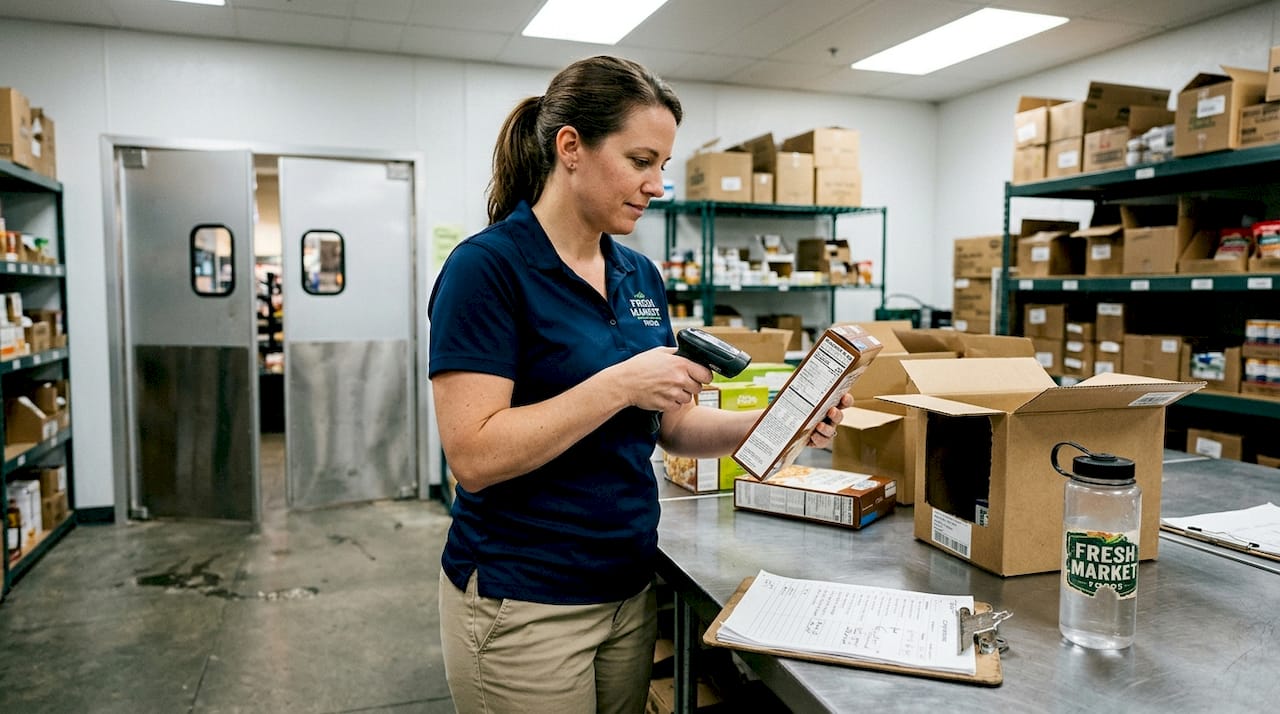
A single packaging compliance mistake can cost your business over $100,000 in fines, not counting legal fees or reputational damage. For retail and foodservice professionals sourcing sustainable packaging solutions, understanding and meeting regulatory requirements is no longer optional. This guide explains why packaging compliance matters, which regulations impact your operations, the risks of non-compliance, and practical strategies to navigate multi-state requirements while strengthening your brand’s sustainability credentials and avoiding costly penalties.
Table of Contents
- Key takeaways
- Understanding packaging compliance and regulatory landscape
- Risks and consequences of non-compliance for retail and foodservice professionals
- How compliance drives sustainable packaging and business benefits
- Navigating multi-state packaging compliance challenges and best practices
- Explore compliant sustainable packaging solutions
- Frequently asked questions about packaging compliance
Key Takeaways
| Point | Details |
|---|---|
| Financial penalties | A single packaging compliance mistake can trigger fines over $100,000 plus potential legal and reputational costs. |
| State EPR costs | Extended producer responsibility programs shift waste costs to producers and create state specific fees tied to packaging weight and recyclability. |
| Truthful claims rules | Misleading environmental claims are heavily regulated and penalties for false claims can be substantial. |
| Centralized data strategy | Effective compliance requires centralized data and supplier verification to manage deadlines and multistate requirements. |
Understanding packaging compliance and regulatory landscape
Packaging compliance encompasses a broad set of requirements covering safety, labeling accuracy, waste management, and environmental claims. For retail and foodservice professionals, staying compliant means navigating federal laws and increasingly complex state-level regulations that directly affect sourcing decisions and operational costs.
At the federal level, FDA regulations like FPLA and FFDCA ensure accurate labeling and material safety, with violations risking civil fines or criminal prosecution. The Fair Packaging and Labeling Act mandates clear product identity and quantity declarations, while the Federal Food, Drug, and Cosmetic Act ensures packaging materials do not contaminate food products. These laws apply uniformly across all states, forming the compliance baseline for any business using food-safe packaging.
Beyond federal requirements, extended producer responsibility programs shift waste management costs to producers, now covering 20% of the US population across seven states. EPR fees are calculated based on packaging weight and modulated by recyclability, creating financial incentives for sustainable design. California, Colorado, Maine, Minnesota, and Oregon lead this regulatory wave, each with unique scopes and timelines. Understanding these varying state requirements is essential for retail and foodservice operations spanning multiple jurisdictions.
Key regulations impacting your packaging decisions include:
- FDA laws governing food contact materials and labeling accuracy
- State EPR programs imposing producer fees and reporting obligations
- Anti-greenwashing statutes like California SB 343 restricting recyclability claims
- State-specific bans on single-use plastics and packaging materials
- Labeling requirements for compostable and biodegradable claims
Pro Tip: Establish a centralized compliance calendar tracking federal and state-specific deadlines to avoid missing registration windows or reporting requirements that trigger automatic penalties.
Risks and consequences of non-compliance for retail and foodservice professionals
Ignoring packaging compliance exposes your business to severe financial, legal, and reputational consequences that can disrupt operations and erode customer trust. The costs extend far beyond initial fines, creating cascading risks across your supply chain and brand image.
Packaging compliance avoids substantial financial penalties from EPR non-compliance, with states imposing fines for late registration or reporting failures. Colorado charges $1,000 per day for missed deadlines, while California imposes penalties up to $50,000 per violation for false environmental claims. These fines accumulate rapidly, turning minor oversights into major financial burdens. Beyond EPR penalties, non-compliance leads to fines, recalls, lawsuits, and supply chain disruptions in foodservice and retail sectors.
Legal action represents another critical risk. Misleading environmental claims trigger consumer protection lawsuits and state attorney general investigations. Recent settlements have reached millions of dollars, with companies forced to reformulate packaging and revise marketing materials. False recyclability labels particularly attract scrutiny, as consumers increasingly demand transparency and hold brands accountable for sustainability promises.
“Companies face multimillion-dollar lawsuits for unsubstantiated environmental claims on packaging, making compliance verification essential for brand protection and consumer trust.”
Operational disruptions compound financial losses. Product recalls due to labeling errors or material safety violations halt sales, require inventory destruction, and damage retailer relationships. Supply chain delays occur when non-compliant packaging is rejected at distribution centers, creating bottlenecks that affect product availability and revenue. For foodservice operators, these disruptions directly impact service delivery and customer satisfaction.
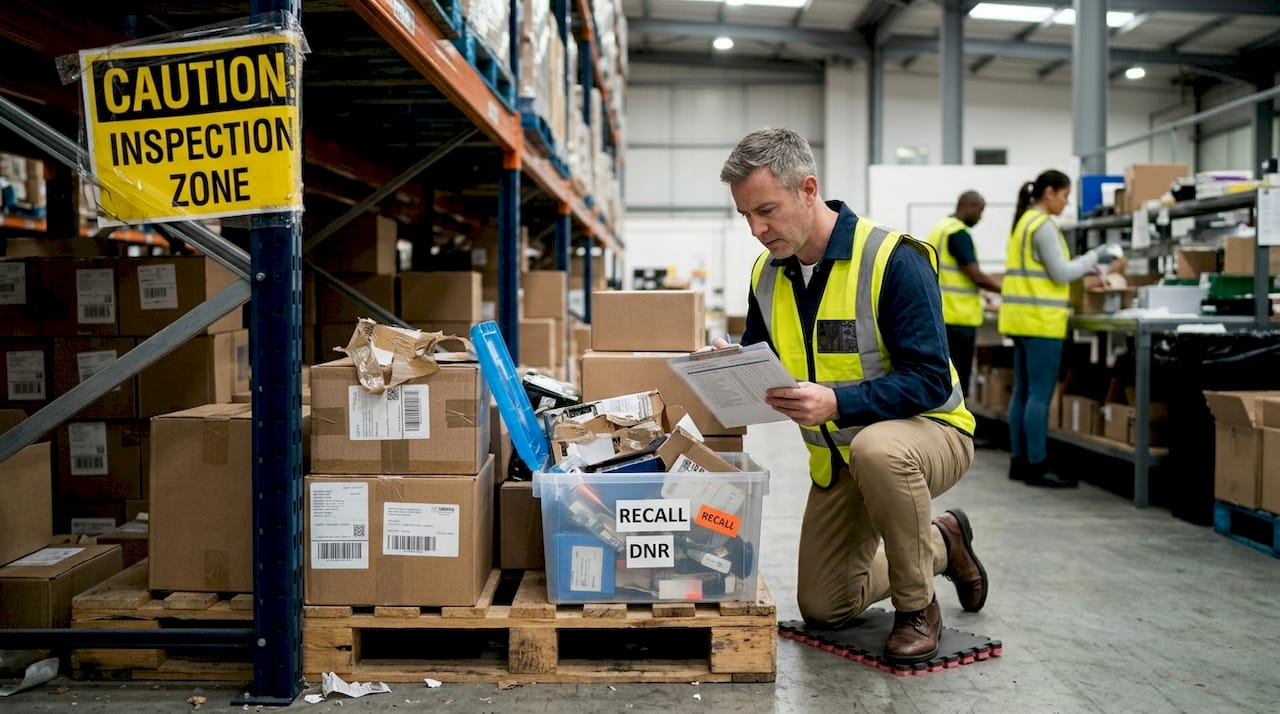
Reputational damage often proves most costly long-term. News of compliance violations spreads rapidly through social media and industry networks, eroding the trust you have built with customers. Retail partners may drop your products to protect their own brand reputations. Choosing Canadian packaging manufacturers with proven compliance track records helps mitigate these risks while supporting environmental benefits that strengthen your sustainability positioning.
Specific consequences retail and foodservice professionals face include:
- Automatic daily fines for late EPR registration or reporting submissions
- Civil penalties up to $50,000 per violation for false environmental claims
- Forced product recalls requiring inventory destruction and retailer notifications
- Consumer class action lawsuits seeking damages for misleading packaging statements
- Loss of retail partnerships due to compliance liability concerns
- Negative media coverage damaging brand reputation and consumer trust
How compliance drives sustainable packaging and business benefits
Adhering to packaging compliance does more than avoid penalties. It actively supports sustainable sourcing, encourages eco-friendly design innovation, and strengthens your brand’s competitive position in markets where consumers prioritize environmental responsibility.
Compliance drives sustainable sourcing via EPR eco-modulation, reducing long-term costs for recyclable designs while non-compliance risks multimillion lawsuits. EPR programs charge lower fees for packaging made from recycled content, designed for recyclability, or using minimal materials. This fee structure incentivizes lightweighting and material substitution, turning regulatory requirements into cost-saving opportunities. Companies redesigning packaging to meet these standards report fee reductions of 15 to 30 percent annually.
Market data demonstrates real progress. 53% of UK supermarket packaging meets recyclability standards according to recent assessments, while North American retailers face similar pressures from EPR regulations driving redesign investments. This shift creates competitive advantages for early adopters who can credibly communicate sustainability achievements to increasingly eco-conscious consumers.
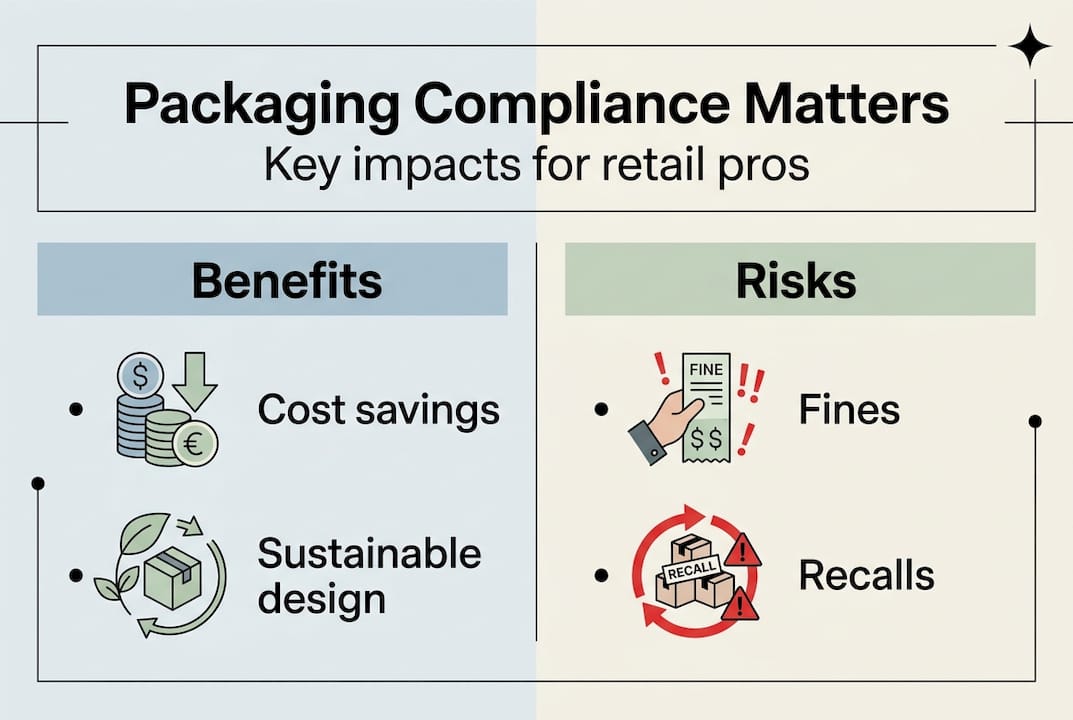
Brand advantages from compliance extend beyond cost savings. Verified environmental claims build consumer trust and differentiate your products in crowded retail environments. Transparent compliance documentation supports marketing narratives around sustainability leadership, attracting customers willing to pay premiums for responsible brands. Avoiding greenwashing claims protects your reputation while competitors face legal challenges and negative publicity.
Practical benefits for retail and foodservice operations include:
- Lower EPR fees through eco-modulated rates for recyclable packaging designs
- Enhanced brand reputation and consumer trust from verified sustainability claims
- Competitive differentiation in markets prioritizing environmental responsibility
- Reduced material costs through lightweighting and efficient packaging design
- Stronger retailer relationships built on shared compliance and sustainability goals
Pro Tip: Centralize packaging data management in a single system that tracks material compositions, supplier certifications, and compliance documentation, enabling quick verification of environmental claims and identification of design opportunities to reduce waste.
Investing in eco-friendly paper bags and other compliant packaging materials positions your business to benefit from regulatory trends while meeting consumer expectations. The compliance-sustainability connection is not merely defensive. It represents a strategic opportunity to reduce costs, strengthen brand equity, and lead your category in environmental performance.
Navigating multi-state packaging compliance challenges and best practices
Operating across multiple North American states means managing a patchwork of packaging requirements with varying scopes, timelines, and enforcement mechanisms. This complexity demands systematic approaches to maintain compliance efficiently without overwhelming your operations.
Multi-state operations face varying scopes, with California focusing on single-use plastic while Oregon mandates foodservice ware reporting. Using producer responsibility organizations like the Circular Action Alliance provides unified reporting across jurisdictions. These PROs aggregate data, file required reports, and manage fee payments, simplifying compliance for businesses operating in multiple EPR states.
State variations create edge cases. California SB 343 bans labeling unrecyclable packaging as recyclable after 2026, while Oregon requires detailed packaging weight reporting for foodservice operations. Colorado imposes unique registration deadlines, and Maine includes different material categories in its EPR scope. Understanding these distinctions prevents inadvertent violations when standardizing packaging across your distribution network.
| State | Primary Focus | Key Requirement | Deadline |
|---|---|---|---|
| California | Single-use plastics, recyclability claims | SB 343 substantiation for recyclable labels | January 2026 |
| Colorado | Comprehensive packaging EPR | Producer registration and annual reporting | July 2026 |
| Maine | Packaging materials EPR | Producer membership in PRO | January 2026 |
| Minnesota | Packaging waste reduction | Producer registration and fee payment | March 2026 |
| Oregon | Foodservice packaging focus | Detailed weight reporting by material type | October 2025 |
Systematic best practices for managing multi-state compliance:
- Centralize packaging data in a compliance management system tracking material compositions, weights, and supplier certifications for all SKUs across your product portfolio.
- Engage producer responsibility organizations to handle reporting and fee payments across multiple EPR jurisdictions, reducing administrative burden and ensuring deadline compliance.
- Conduct quarterly supplier audits verifying packaging certifications, recyclability claims, and material safety documentation to prevent supply chain compliance gaps.
- Establish cross-functional compliance teams including procurement, operations, and legal staff to coordinate responses to evolving state requirements and share best practices.
- Build compliance buffers into packaging redesign timelines, allowing six to nine months for testing, certification, and regulatory approval before mandatory deadlines.
Pro Tip: Schedule annual compliance strategy reviews each January to assess new state legislation, update supplier requirements, and adjust packaging specifications before peak production seasons.
Choosing Canadian packaging manufacturers familiar with North American regulatory landscapes simplifies multi-jurisdictional compliance. Domestic suppliers understand regional requirements and can provide documentation supporting your compliance efforts across state lines, reducing the complexity of international supply chain coordination.
Explore compliant sustainable packaging solutions
Navigating packaging compliance while maintaining brand presentation and sustainability goals requires sourcing partners who understand regulatory requirements and deliver quality products. Gather Packaging specializes in manufacturing eco-friendly paper shopping bags designed to meet North American standards while supporting your sustainability commitments.
Our FSC-certified materials, recycled content options, and water-based inks align with EPR eco-modulation requirements, helping you reduce regulatory fees while strengthening your environmental credentials. From custom kraft paper bags to tamper-resistant designs, we offer packaging solutions that comply with food safety regulations and state-specific requirements. Domestic production in Toronto ensures quick turnaround and simplified compliance documentation for multi-state operations. Explore our sustainable packaging options to discover how compliant materials can enhance your brand while meeting evolving regulatory demands.
Frequently asked questions about packaging compliance
Why does EPR compliance differ among states and why does it matter?
Each state designs EPR programs with unique scopes, covered materials, and fee structures reflecting local waste management priorities and political considerations. California emphasizes single-use plastic reduction, while Oregon focuses on foodservice packaging and Maine covers broader material categories. These differences require tailored compliance strategies for multi-state operations, as uniform packaging may not satisfy all jurisdictions simultaneously.
What are the consequences of false environmental claims on packaging?
False environmental claims trigger consumer protection lawsuits, state attorney general investigations, and penalties up to $50,000 per violation under laws like California SB 343. Beyond fines, companies face mandatory corrective advertising, product recalls, and reputational damage that erodes consumer trust. Unsubstantiated recyclability or compostability claims particularly attract scrutiny as regulators crack down on greenwashing practices.
How do FDA packaging laws impact foodservice businesses specifically?
FDA laws require foodservice packaging to prevent contamination, display accurate labeling, and use approved food-contact materials. Violations can result in product seizures, facility inspections, and civil or criminal penalties. Foodservice operators must verify that suppliers provide compliant packaging and maintain documentation proving material safety, especially for hot food containers and direct food-contact applications.
What steps verify supplier compliance for packaging materials?
Request current certifications including FSC chain-of-custody documents, FDA food-contact compliance letters, and third-party recyclability assessments. Conduct annual audits reviewing supplier quality systems, testing protocols, and regulatory tracking procedures. Require contractual commitments that suppliers will notify you of any compliance issues or material changes affecting regulatory status. Maintain centralized records of all supplier documentation for regulatory inquiries.
What upcoming compliance deadlines should retail professionals monitor?
FDA Food Traceability Rule requirements take full effect in January 2026, mandating detailed record-keeping for foods on the traceability list. Multiple state EPR registration deadlines occur throughout 2026, with California, Colorado, and Minnesota requiring producer registration by mid-year. California SB 343 recyclability substantiation requirements became enforceable in January 2026, requiring immediate label review. Monitor state legislative sessions for new packaging bills that may create additional obligations.
Share:
What is custom packaging? A guide to sustainable branding
Paper bag design tips to boost sustainability and brand