
TL;DR:
- Creative packaging finishes enhance visual, tactile, and functional qualities of paper bags, communicating brand value at retail. Selecting the right finish affects durability, recyclability, and cost, making it a critical brand decision often overlooked early in development. Combining finishes requires careful prototyping and consideration of production complexity to ensure quality, sustainability, and visual impact align with brand and industry standards.
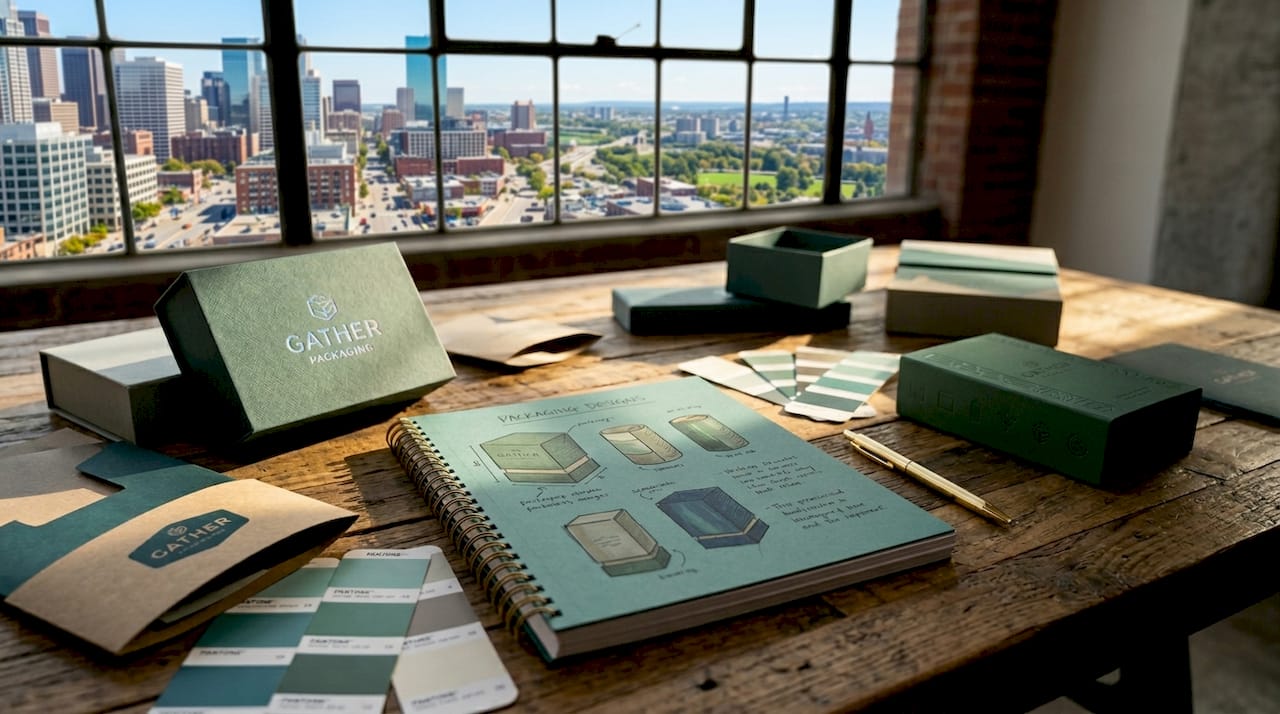
Creative packaging finishes are surface treatments applied to paper bags and retail packaging that alter visual appearance, texture, and sensory response to communicate brand value at the point of sale. In practice, they include metallic foils, soft-touch laminates, embossing, scented coatings, and sustainable ink systems. Each finish functions as a brand signal before a customer reads a single word on the package. For retail brand managers and procurement teams, selecting the right finish is a production decision as much as a design one. This article breaks down the most impactful finish categories, their technical requirements, and how to combine them without blowing your timeline or budget.
1. What creative packaging finishes actually are (and why the category matters)
Surface embellishment is the industry term for what most brand teams call creative packaging finishes. The two phrases describe the same practice: applying a secondary process to printed packaging to add visual depth, tactile quality, or functional properties beyond base ink and substrate. The distinction matters because “surface embellishment” is the term your converter, printer, and production partner will use when quoting and speccing jobs.
For paper shopping bags specifically, finish selection affects durability, print adhesion, recycling compliance, and shelf presence simultaneously. A finish that looks great in a design mockup but degrades under retail handling, or that disqualifies the bag from a recycling stream, creates real downstream problems. The best creative finishes integrate design, material, and technology to create packaging that works at retail viewing distances with effective light and texture.
2. Metallic finishes: foil stamping, cold foil, and metallized ink
Metallic finishes are the most requested category in premium retail packaging because they signal quality and catch light in ways no standard ink can replicate. The three main options are hot foil stamping, cold foil, and metallized ink systems like Q-Lustre metallized ink.
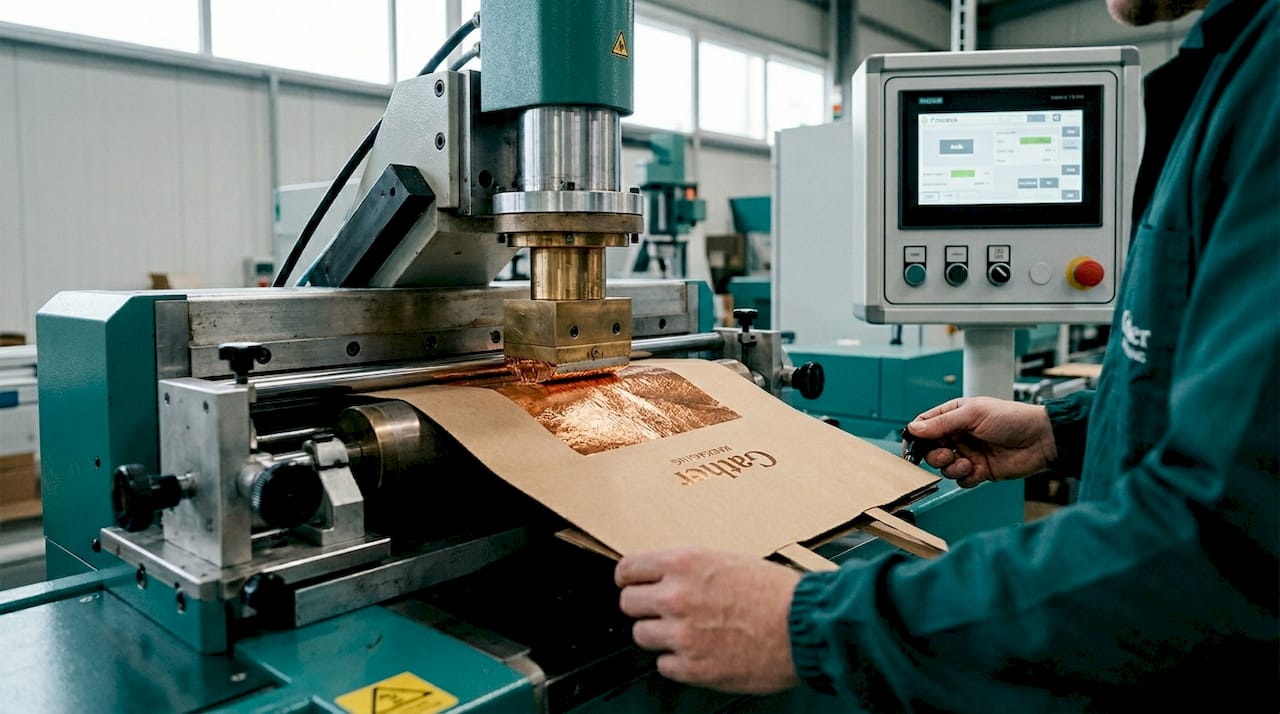
Hot foil stamping uses a heated die to transfer metallic film onto the substrate. It produces sharp, high-definition results but requires custom tooling for every design change. Cold foil uses adhesive rather than heat, enabling intricate metallic gradients without legacy tooling overhead. This makes cold foil faster to set up and more cost-effective for shorter runs or complex gradient designs.
Qualvis Packaging’s Q-Lustre system takes a different approach entirely. It delivers a single-pass metallic effect inline with other printing, eliminates heated dies, and is 100% recyclable. For brands that need metallic impact without sacrificing sustainability credentials, this type of metallized ink is worth serious consideration.
3. Tactile finishes: soft-touch lamination, textured coatings, and micro embossing
Tactile finishes change how packaging feels in the hand, which directly affects how consumers perceive the brand before they open the product. Soft-touch lamination applies a thin matte film that creates a velvety, rubberized surface. It is widely used in luxury retail, cosmetics, and apparel packaging because it reads as premium without requiring metallic elements.
Textured coatings and micro embossing add physical surface variation at a smaller scale than traditional embossing. Micro embossing creates repeating patterns pressed into the substrate, adding visual depth and grip. These finishes work particularly well on paper shopping bags because they survive the handling cycle from store to home without peeling or cracking.
Syoss uses KURZ’s TRUSTSEAL® SFX for a 3D shimmering tactile finish that communicates product benefits and creates retail memorability. The finish integrates light, texture, and movement and is scalable for large packaging runs without efficiency loss. That scalability point is critical for retail brands ordering in volume.
4. Embossing vs. debossing: which one fits your brand tone
Embossing raises paper fibers to create a relief above the substrate surface. Debossing presses fibers down to create a recessed indentation. Both processes use a die set and apply pressure, but the brand effect differs significantly.
Embossing reads as bold and confident. It catches light from multiple angles and draws the eye to logos, wordmarks, or structural design elements. Debossing reads as understated and refined. It is the preferred choice for brands in categories where restraint signals quality, such as fine spirits, luxury apparel, or high-end personal care.
The technical requirements for both processes are specific. The process runs at a temperature range of 130 to 150°C to soften paper fibers without scorching or tearing. Substrate GSM and caliper directly determine how much depth is achievable. Thicker, higher-GSM stocks hold deeper impressions. Thinner stocks risk tearing under aggressive die pressure.
Pro Tip: When combining embossing with foil stamping on the same panel, specify a registered emboss. This aligns the raised relief precisely with the foil boundary, producing a three-dimensional metallic effect that neither finish achieves alone.
5. Matte vs. gloss: how finish type shapes consumer perception
Matte and gloss finishes function as consumer cues that set authenticity expectations before a shopper reads a single word. This is not a minor aesthetic preference. It is a category signal that affects purchase behavior in fast-moving consumer goods.
Matte packaging increasingly signals handmade, rustic, or authentic qualities. Brands in natural food, artisan cosmetics, and sustainable retail use matte finishes to communicate those values without stating them explicitly. Gloss finishes signal modernity, energy, and mass-market confidence. They are the default for high-volume retail, confectionery, and consumer electronics accessories.
The strategic implication is that finish choice can either reinforce category expectations or deliberately disrupt them. A gloss finish on a product positioned as artisan creates cognitive dissonance. A matte finish on a product positioned as high-tech reads as dated. Matching finish to brand positioning is not optional. It is the baseline requirement before any other creative decision.
“Your packaging is saying more than you think. The finish, color, and material choices communicate brand values before the consumer reads a word.” — Kaleidoscope CPG Design
6. Sustainable packaging finishes compatible with recycling
Sustainability is now a production constraint, not just a marketing message. Finishes that contaminate paper recycling streams create compliance problems and undermine brand credibility with environmentally conscious consumers.
The key principle is that recycling label compliance requires careful consideration when finishes modify coatings or inks. OPRL, as a UK Packaging Pact founding signatory, stresses that clear recycling information is critical to building a circular economy. For North American brands, equivalent guidance comes from How2Recycle and the Sustainable Packaging Coalition.
Recyclable finish options include water-based varnishes, water-based soft-touch coatings, and inline metallized inks like Q-Lustre that do not require laminate films. Standard plastic lamination, including most soft-touch films, typically disqualifies paper bags from curbside recycling. FSC-certified substrates with water-based inks and recyclable coatings represent the most defensible position for brands making sustainability claims. You can review how finish choices affect sustainability in paper bag production specifically.
Pro Tip: Before specifying any laminate or coating, ask your converter for its recycling stream compatibility in writing. “Recyclable” on a spec sheet does not always mean accepted by municipal programs in your target markets.
7. Emerging finishing techniques shaping packaging in 2026
2026 packaging innovations include cold foil, micro-embossing tactile coatings, and smart packaging features like QR and NFC integration. These techniques reduce tooling overhead while delivering measurable shelf impact. Cold foil enables intricate metallic gradients without the setup cost of traditional hot foil dies, opening metallic finishing to shorter run lengths and more frequent design refreshes.
Smart packaging features integrated with finishes represent a growing category. A QR code printed within a spot UV panel, or an NFC chip embedded beneath a textured coating, turns the physical package into a digital touchpoint. This extends the brand interaction beyond the retail shelf without adding significant material cost.
Inline metallic finishing and cold foil reduce traditional tooling requirements, saving time and cost while expanding design freedom. For retail brands managing seasonal packaging refreshes or limited-edition runs, this is a meaningful production advantage. The tradeoff is that inline processes require converters with specific press configurations, so supplier qualification matters early in the planning cycle.
Pro Tip: If you are adding QR codes to packaging with specialty finishes, test scannability across all finish types before production approval. Holographic foils and high-gloss UV coatings can interfere with camera-based scanning under certain lighting conditions.
8. How to combine multiple finishes without losing control of production
Finish stacking is the practice of applying two or more surface embellishments to the same packaging panel. A promotional folding carton combining hot foil in multiple colors, embossing, metallic ink, UV printing, and scented coatings demonstrates the technical complexity and sensory engagement potential of this approach. The result is multi-sensory packaging that engages sight, touch, and smell simultaneously.
The risks are real. Each additional finish adds a production pass, increases tooling requirements, and introduces new registration tolerances. A misregistered emboss over a foil panel wastes both materials and time. Early prototyping with converters is critical to optimize quality and cost balance before committing to a full production run.
The practical approach to finish stacking follows a clear sequence:
- Define the primary finish that carries the most brand weight (usually foil or emboss).
- Add secondary finishes that complement rather than compete with the primary.
- Prototype each finish combination on the actual substrate before approving artwork.
- Confirm recycling compatibility for the full finish stack, not individual components.
- Get a written production timeline that accounts for each additional pass.
Pro Tip: Limit finish stacking to three effects maximum on paper shopping bags. Beyond three, the production complexity rarely delivers proportional consumer impact, and quality control becomes significantly harder to maintain across a full run.
Key takeaways
The most effective creative packaging finishes combine substrate compatibility, brand positioning, and recycling compliance from the start of the design process, not as an afterthought.
| Point | Details |
|---|---|
| Finish is a brand signal | Matte, gloss, metallic, and tactile finishes communicate brand values before a shopper reads any copy. |
| Substrate GSM determines depth | Embossing and debossing depth depends on paper caliper; always spec finishes against your actual substrate. |
| Recyclability requires verification | Water-based coatings and inline metallized inks are the safest choices for brands with sustainability commitments. |
| Cold foil expands design access | Cold foil delivers metallic gradients without hot die tooling, making premium finishes viable for shorter runs. |
| Prototype before full production | Finish stacking compounds complexity; prototyping with your converter prevents costly registration and adhesion failures. |
Why finish selection is the most underrated brand decision you make
I have reviewed a lot of packaging briefs over the years, and the finish specification is almost always the last item filled in. Brand teams spend weeks on color and typography, then select a finish in the final approval meeting based on what looks good on screen. That sequence produces mediocre results consistently.
The finish is not decoration. It is the first physical communication your brand makes with a consumer. A soft-touch matte bag in a retail environment reads differently than a gloss bag with the same print. The tactile response when a shopper picks it up sets an expectation that the product inside either confirms or disappoints.
What I find most useful in practice is starting the finish conversation at the same time as the substrate conversation. The two are inseparable. A finish that works beautifully on 157 GSM coated stock may crack, peel, or fail registration on 120 GSM uncoated kraft. If you are buying paper shopping bags from a domestic manufacturer like Gatherpackaging, that substrate knowledge is already in the building. Use it early.
Sustainability is the other variable that gets added late and causes the most rework. Brands commit to a laminate finish for tactile quality, then discover it disqualifies the bag from their retailer’s recycling program. Water-based soft-touch coatings have closed most of that gap. They are not identical to plastic laminate in feel, but they are close enough that most consumers cannot distinguish them, and they keep the bag in the recycling stream.
The brands that get packaging finishes right treat them as a production specification and a brand strategy simultaneously. That requires earlier supplier involvement and more prototyping time than most timelines allow. Build that time in from the start.
— Taylor
How Gatherpackaging supports brands with custom finishing on paper bags
Gatherpackaging manufactures paper shopping bags in Toronto, Canada, with finishing capabilities designed for retail brands that need both visual impact and production reliability.
Gatherpackaging’s custom paper bag options include 8-color flexo printing with water-based inks, FSC-certified substrates, and finishing options compatible with recycling compliance requirements. For brands prioritizing sustainability, the eco-friendly bag range covers recycled content, biodegradable materials, and finishes that keep bags in the curbside recycling stream. Domestic manufacturing means shorter lead times, direct quality assurance oversight, and faster prototyping cycles than offshore sourcing. Contact Gatherpackaging to discuss your paper shopping bag specifications and finish requirements.
FAQ
What are the most common creative packaging finishes for paper bags?
The most common finishes for paper shopping bags are foil stamping, soft-touch coating, spot UV varnish, embossing, and debossing. Each serves a different brand purpose, from metallic luxury signals to tactile premium cues.
Does soft-touch lamination affect paper bag recyclability?
Standard plastic-film soft-touch lamination typically disqualifies paper bags from curbside recycling. Water-based soft-touch coatings are the recyclable alternative and are now widely available from converters.
What GSM paper is best for embossing on shopping bags?
Higher GSM stocks, generally 150 GSM and above, hold deeper emboss impressions without tearing. Thinner stocks require shallower die depths and lower press pressures to avoid substrate damage.
Can cold foil replace hot foil stamping on paper bags?
Cold foil is a practical alternative for designs requiring metallic gradients or shorter production runs, since it eliminates heated die tooling. Hot foil stamping still produces sharper edge definition on fine detail work.
How many finishes can you stack on a single paper shopping bag?
Three finishes is the practical maximum for paper shopping bags before production complexity and quality control requirements outweigh the visual benefit. Prototyping each combination on the actual substrate before full production approval is required.
Share:
Sustainable Packaging Myths Debunked for Retail Brands
The Role of Shelf Appeal in Packaging for Brand Managers